
Installing barriers and fences at sites where large numbers of people suicide can bring down the number of suicides by more than 90 per cent, a new study shows.
Researchers in the Australian-led study analysed data gathered from 18 well-known suicide sites around the world including locations in the United States and New Zealand.
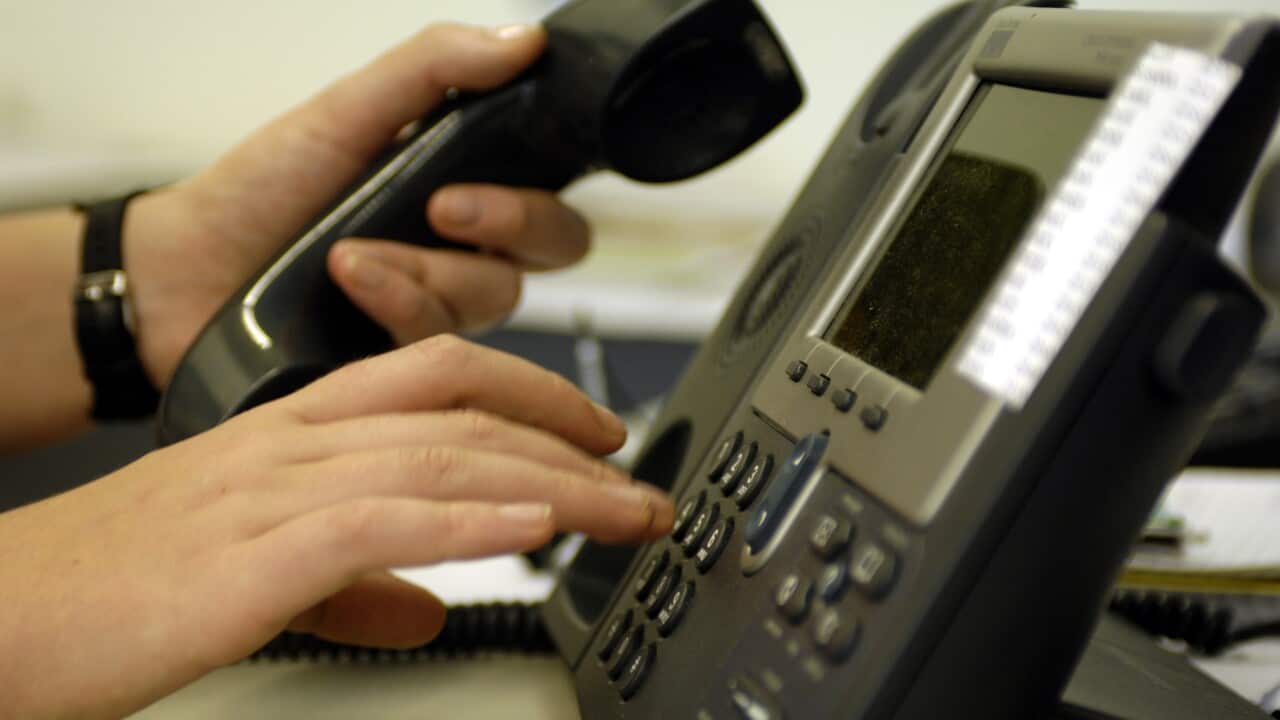
The findings, published in The Lancet Psychiatry journal, identified three forms of intervention measures operating at these locations including: restricting access to sites by installing barriers and fences, installing telephones and measures that encourage help-seeking and installing CCTV cameras and other measurers that increase the likelihood of a third-party intervening.
Researchers found that 863 suicides had occurred at the sites before the intervention measures were put in place and 211 deaths had occurred in the years that followed.
In six of the 18 locations, the number of suicides dropped to zero after the intervention measures were put in place.
* Readers seeking support and information about suicide prevention can contact Lifeline on 13 11 14 or Suicide Call Back Service 1300 659 467 or follow @LifelineAust @OntheLineAus @kidshelp @beyondblue @headspace_aus @ReachOut_AUS on Twitter.
Lead researcher Professor Jane Pirkis, of the University of Melbourne, told SBS that installing barriers and fences to block access to certain sites was the most effective prevention measure.
"Restricting access to means clearly works," she said. "From all the studies we looked at there was a reduction of between 90 and 93 per cent."
Professor Pirkis said these measures were important at public sites because bystanders were often affected.
"Any individual suicide is tragic, obviously, but suicides that happen at these sites have a bit of an extra level of complexity to them because often there are bystanders who might witness the event," she said.
"Also, the sites themselves develop a bit of a self-perpetuating nature as places that people might go. So there’s a risk of copycat acts."
Seeking help
Sue Murray, CEO of Suicide Prevention Australia, said there were a number of intervention measures at sites around Australia, and they were vital.
"Taking measures to restrict access to suicide sites helps to deter those in suicidal crisis long enough for somebody to reach them, talk to them and keep them safe so they have an opportunity to work through how they’re feeling and why," she said.
"These techniques have been proven to materially reduce and deter suicide attempts. In short, they save lives."
The study's findings showed that installing telephones linked to crisis lines or signs with information on how to seek help reduced deaths.
"Encouraging help-seeking is also effective," Professor Pirkis said. "It reduces suicides at those sites between 50 and 60 per cent."
The third intervention measure - increasing the likelihood of intervention by a third party - involves installing CCTV cameras and training staff such as train guards.
Other suicide prevention measures included encouraging the safe reporting of suicide in the media and installing blue lights at common suicide sites to create a calming environment.
Professor Pirkis said lot of the sites had multiple intervention measures in place and they worked to complement each other.
Objection
Professor Pirkis said that some communities opposed suicide-prevention measures in their neighbourhoods because they were often unsightly, while others said they had little impact on overall rates of suicide.
But she rejected that.
"Although intervening at suicide hotspots might have only a small effect on the total suicide rate, it is important for other reasons: suicide attempts at these sites are often fatal and attract media attention, which can lead to so-called copycat acts; and those who work at or visit these sites for other reasons can inadvertently be affected," the report said.
Ms Murray said opening up conversation around suicide was also crucial to addressing the problem.
"Instead of talking about the sometimes abstract concept of stigma around suicide, we encourage all Australians to start talking about specific attitudes and behaviours, that need to change so that having conversations about how you’re feeling is more acceptable," she said.
"What actions do we all need to take, whether it is within particular cultures, communities or groups, that will normalise reaching out for support?"
Share


