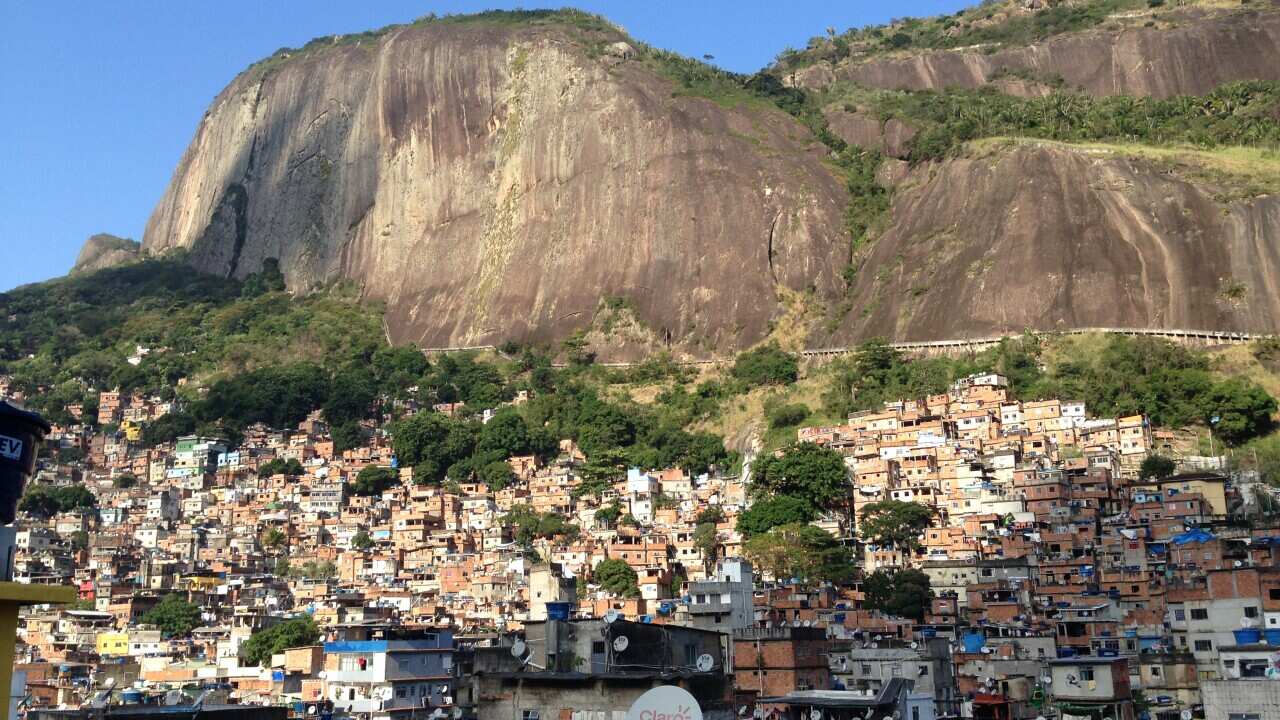
Driving past Rocinha is awe inspiring, thousands upon thousands of homes, crammed side by side, rickety layers up to a dozen high. Rios largest favela stretches as far as the eye can see, and overlooks one of the city's busiest thoroughfares. It's also set on a spectacular backdrop. Huge mountainous rocks, with homes built on them until physically impossible.
In here live about 150,000 cariocas, or Rio Brazilians. One of them is Peanut.
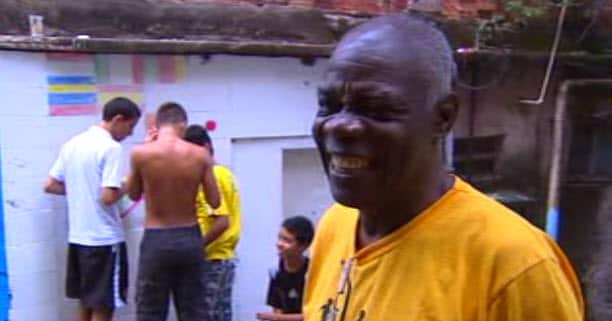
The 56-year-old has called Rocinha home his whole life. He's married, has eight kids and is a grandfather.
He jokes saying he was aiming for a football team of 11, but his wife told him the factory was closed!
News that makes sense
Your trusted source for staying up-to-date with the world around you. Get free daily news updates and analysis, straight to your inbox.
He complied, saying "alright sister".
Peanut is a character. Walking through Rocinha with him, we feel like instant celebrities. There's no one here he doesn't know. He tells the girls he loves them, asks the men whether they want to play football.
Then we bump into some youths painting their tight "laneway". Peanut tells us there's a competition based on the World Cup, and whoever designs the best artwork will win a prize. Apparently that prize is money.
But money is in short supply here. And so is sanitation. Rocinha has one of the highest levels of tuberculosis in Rio's slums. An illness barely seen in the developed world. And the breathtaking views from the very top of the favela, where the pacification police are based, masks a dangerous underbelly.
On the surface, Rocinha seems like an urbanised favela. But you don't have to look far to see the darker side.
The sounds of gunshots occasionally ring through the streets.The drug trade has been curbed somewhat by the presence of the UPP, but when we try to ask locals about it, they remain tight lipped.
People here are still living in fear - fear of a stray bullet, fear their children will end up a drug runner, fear they'll fall ill because they lack clean water.
Peanut has seen pacification projects come and go here. He's scared about what happens when the pacification police leave, retelling a story years ago when dozens were killed in a street fight.
This time, once all the tourists visiting for the World Cup and 2016 Olympics have gone, he hopes his country doesn't suddenly forget about the place he calls home.







