My view on resuscitating people changed when my brother, Trevor, suffered a cardiac arrest in the first quarter of an AFL match.
Once the paramedics arrived, it took a long time to descend from the high stadium seats Trevor had been so pleased about obtaining for the match between St Kilda and Geelong. His heart had stopped for more than 40 minutes and we were all completely behind his medical team in their fight to “bring him back”. It was traumatic watching him lying in ICU with tubes all over the place, machines bleeping and nurses constantly monitoring everything, but all we could think was, “Please save him!”
Even after he started breathing, we still had no idea whether we would ever see the Trevor we knew again, nor did the doctors. Being told that he had a “severe hypoxic brain injury” meant nothing to us. We just wanted to know basic stuff like whether he would be able to walk, talk, speak and understand us.
News that makes sense
Your trusted source for staying up-to-date with the world around you. Get free daily news updates and analysis, straight to your inbox.
I feel awful saying this now, but at the time we may have been told the full extent of what could happen to him if he pulled through. But none of us could recall it – we just wanted him to live, and this would come back to haunt us.
Trevor spent three-and-a-half months in hospital. Part of the recovery process of brain damage is major mood swings that include frustration and aggression. I could never get used to seeing him restrained in his bed, but after being subjected to a headlock and then an attempt to smash my head into a wall, I accepted that it was necessary for everyone's safety.
Trevor was moved to a rehabilitation centre and we thought everything would begin to improve. He could walk, eat his own meals, was starting to dress himself and look after his own grooming. But his brain injury had left Trevor with aphasia. He had trouble getting the words he wanted to say out in the right order. By constantly showing him photos of his life and then introducing words to match them, Trevor began to figure out ways to communicate with us.
But suddenly everything started to go downhill medically. Trevor's bowel shut down and he went from 103kgs to 73kgs in a couple of months. He was slowly dying before our eyes. We had to pay a carer to sit with him and assist with his meals to ensure he received the nutrition he needed.
The rehabilitation centre insisted that Trevor be moved elsewhere as they didn't feel he could improve any further. Trevor moved into an aged care facility because nowhere else could provide the level of support and care he now required. Trevor was once a “chick magnet” with plenty of friends and a busy social life – now he lives in an aged care facility at the young age of 55.
There is simply no funding to support people like Trevor, and Victoria's Department of Human Services now has a policy where those under 50 years of age get priority of access to services and they jump over Trevor in the queue. He is effectively denied any chance of getting the support he needs to live in the community and he was just past his 51st birthday when he had his cardiac arrest.
WATCH: Should all patients be resuscitated?
My attitude about resuscitation has changed completely after seeing what has happened to Trevor since he was “brought back”. At the time we desperately wanted Trevor to live – at any cost. Even though he appears happy enough in himself, I now look back and wonder whether the right thing was done for him. I love Trevor with all my heart but I just know he wouldn't really want to live like this.
Having seen Trevor's outcome, I have told my husband that if he ever comes home and finds me having a heart attack, I want him to go back out again and come home in a few hours. I would not want to live like Trevor, and I would not want my husband to give up his life to visit me every week if the same thing happened to me.
Some people are very lucky and come back after “dying” with little or no damage, and they are able to continue on with their lives. Perhaps if Trevor had received the intensive rehabilitation therapies he needed early on, he may well have been further along the road to recovery. Was it right to prolong Trevor's life if this is all it is going to be with what the Victorian state system offers? If I had a choice now, the answer would be a definite, “NO”.
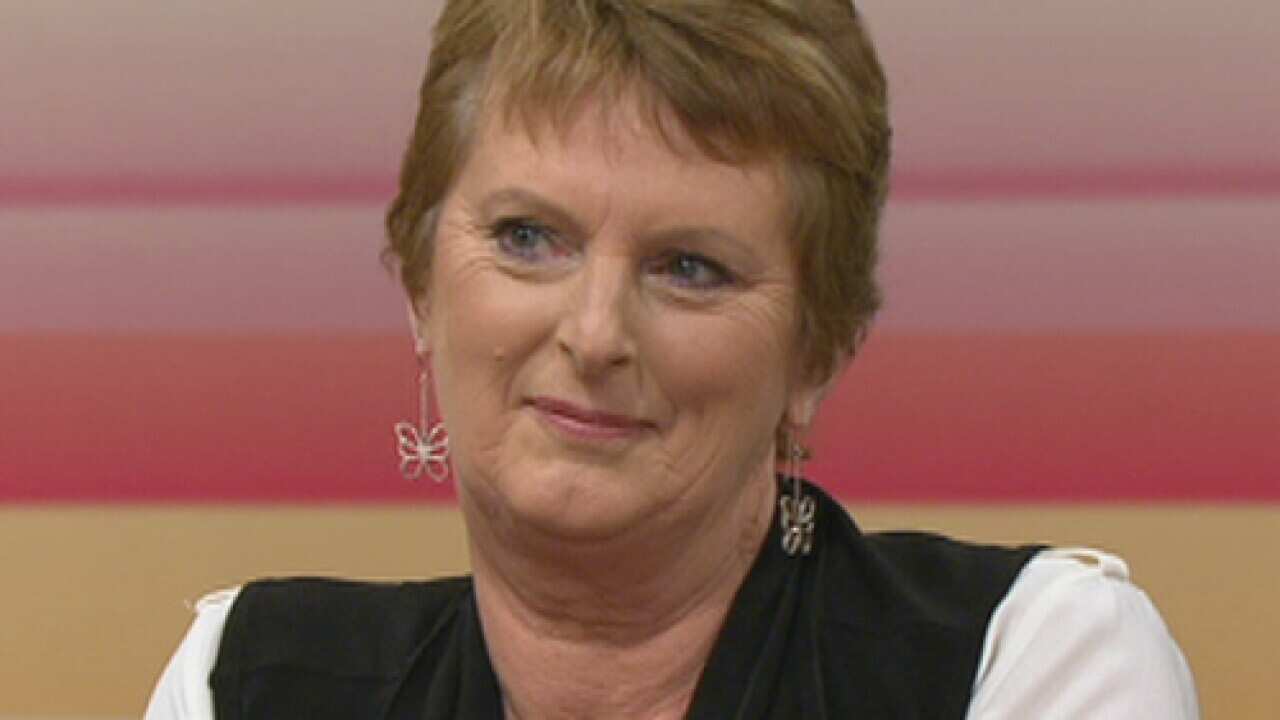
Wendy Veitch is a guest on tonight's episode of Insight on SBS ONE at 8.30pm. The program explores how medical science is pushing the boundaries of death, with doctors now to able to resuscitate some patients even an hour after they have 'died'. Speaking to people who have 'come back from the dead' and doctors with conflicting viewpoints, Insight asks whether we should be reviving people just because we can.







