
Being in a newsroom where daily stories from overseas involve war and conflict is one thing, but when that war and conflict is in your country of origin it’s quite another.
As a journalist I find myself in this position, and it’s not an easy one.
In the past month my family and I have been watching the Iraq crisis from afar, as we sit glued to our TV at home in Sydney watching the Iraqi news.
My anxiety over the Iraq crisis has heightened since my mother travelled to Iraq last week to visit her sick brother. My uncle’s illness couldn’t have come at a worse time.
“My brother became our father when we lost Dad in 2003,” Mum told me over the phone. “I’m not scared to be here during these conditions because I know people are protecting Iraq and I feel safe. We went in 2003 I wasn’t scared then and I‘m not scared now… after all I’m Iraqi, war is in my blood,”
"My anxiety over the Iraq crisis has heightened since my mother travelled to Iraq last week"
But watching the pictures on TV, it’s hard not to feel anxious.
Fierce fighting has flared across Iraq since the Islamic State of Iraq and Syria (ISIS) -- now known as the Islamic State (IS) -- made the headlines on June 10 with an assault on the northern city of Mosul, taking it in less than 24 hours.
The UN estimates more than 5,000 Iraqis have died in fighting since then.
When Iraq’s Grand Ayatollah Sayed Sistani called on Iraqis to take up arms and join the army to fight against ISIS, I didn’t realise that the ‘men lining up in their thousands to sign up for war against IS’ included my own uncles and cousins.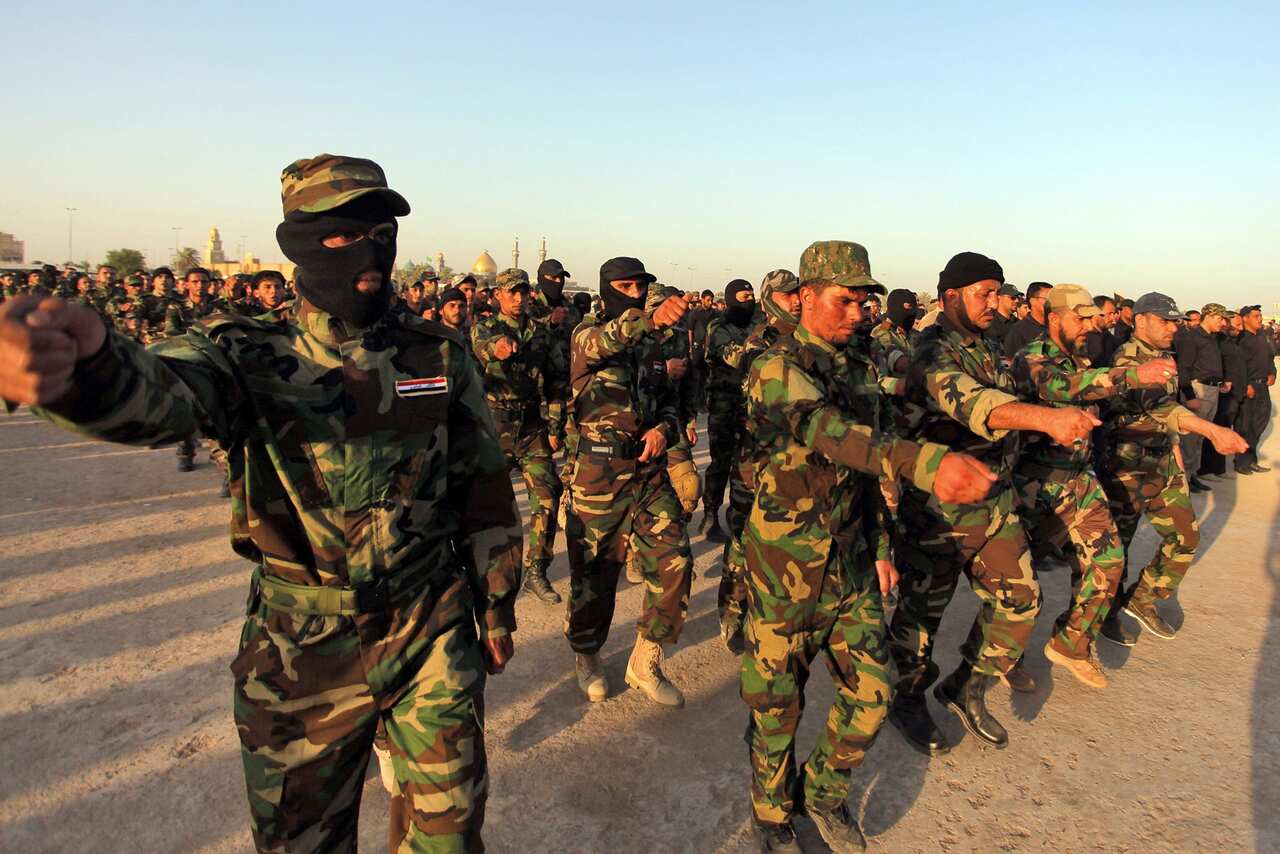 I asked my father what he thought of his brother and nephews joining the army.
Volunteers in Najaf are among more than two million Iraqis that have volunteered to fight with Iraqi forces against militants from the Islamic State in Iraq.
“I am happy that my family is fighting against [IS]. They left their work, their families and livelihoods to voluntarily fight for their land that is proof of how strongly we love our country and its people,” he told me.
But underneath my father’s confidence, I could see the worry. I contacted my grandparents last week to check in.
“I’m not going to lie, of course I fear for my children and my family, but the country needs them more than I do,” my grandmother told me.
"My father used to tell me all the things he loves about Iraq. He’d describe the tall date palm trees, the amber rice fields and the shrines in Karbala."
My grandmother would always speak of what Iraq was like before Saddam, before war and sectarianism.
“We had a government that didn’t cause division, and knew what the people of Iraq wanted. The first thing a human has to have, that a citizen has to have, is patriotism for its nation and must always be mindful of the protection of their land,” she would say.
Most of my extended family, including my grandparents, lives in southern Iraq and although IS hasn’t reached that region, they say everyone is on high alert.
“We are worried. All the men in the family joined the army, universities have closed, and people are bracing themselves. They are always ready, ready to fight, ready to die. We keep weapons in our homes just in case,” my grandfather tells me.
Weapons at home? That’s not normal for my family.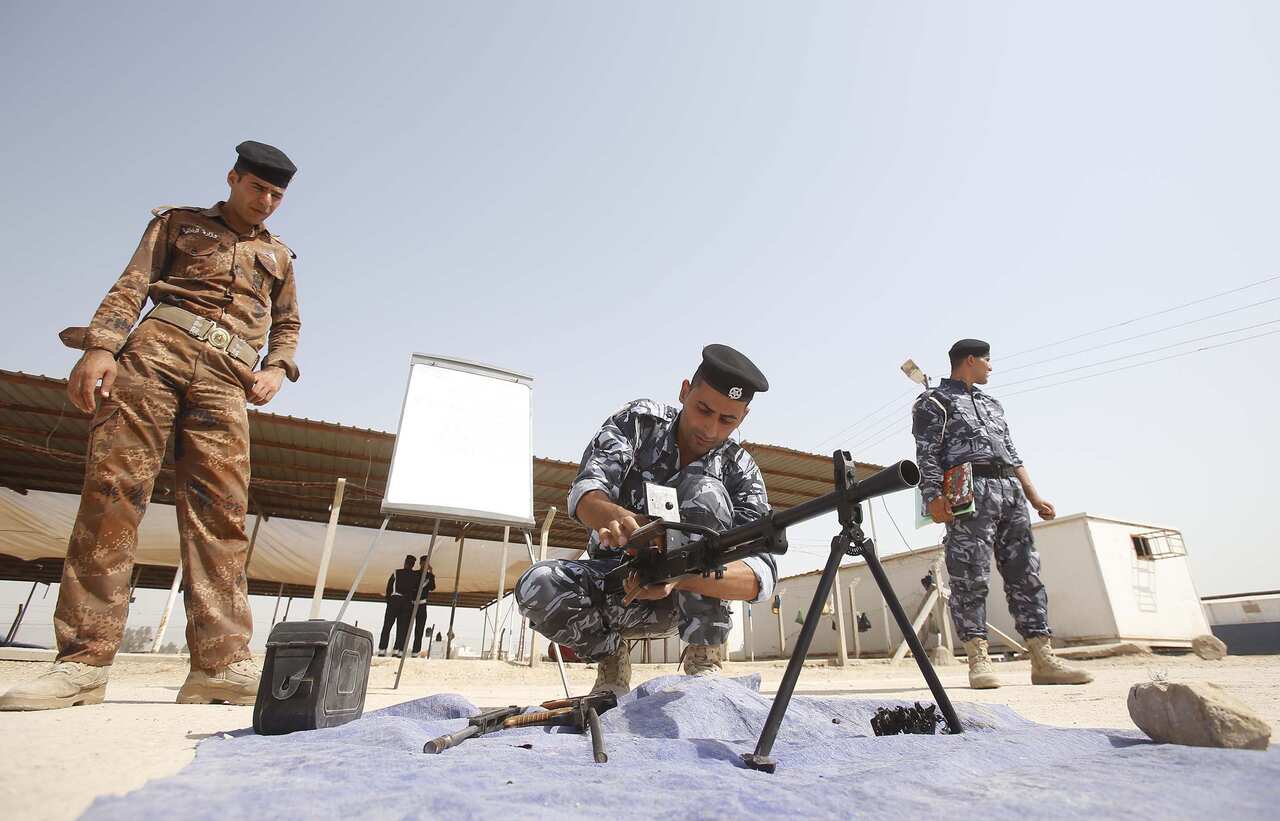 My father and his family in Iraq are confident the army will regain control.
Iraqi volunteers in police uniforms train at the Ibrahimiya police camp outside the central Iraqi Shiite city of Karbala in June 2014, as thousands of Shiite volunteers join Iraqi security forces in the fight against Jihadist militants.
“We don’t think they will get any further than the south. They will never reach Najaf or Karbala because ahead of them is a nation ready to defend,” my father says.
My mother is less optimistic.
“I’m scared [IS] will take Iraq. I wish nothing but peace for my country but I pray we get the peace we have wanted for so long. We’ve had nothing but war for over 20 years. There is only so much people can take.”
Although my mother is putting on a strong front, I’m anxious for her safety. No one knows how, when, or if IS will be defeated and it’s this uncertainty that frightens me.
My father used to tell me all the things he loves about Iraq. He’d describe the tall date palm trees, the amber rice fields and the shrines in Karbala. I want to experience his memories, but know right now this can be no more than a dream.
Share


