
United States President Donald Trump has invited world leaders to join his so-called 'Board of Peace', an entity that started with a mandate to oversee the administration and reconstruction of Gaza, but has quickly ballooned in its planned remit.
A letter of invitation and a draft charter have been sent to some 60 countries, offering participation in "an international organisation that seeks to promote stability, restore dependable and lawful governance, and secure enduring peace in areas affected or threatened by conflict".
The leaders of Albania, Argentina, Australia, Brazil, Canada, Cyprus, Egypt, Hungary, India, Italy, Jordan, New Zealand, Pakistan, Paraguay, Türkiye and Vietnam are among those who have been invited to be founding members.
Speaking to reporters earlier this month, Trump boasted that the board's membership would bring together the "most important leaders of the most important nations".
On Monday, Prime Minister Anthony Albanese said Australia will "respectfully consider" its invitation to the global body, which Trump would chair, but that he needed time to review its details.
News that makes sense
Your trusted source for staying up-to-date with the world around you. Get free daily news updates and analysis, straight to your inbox.
But, as Trump touts what he’s called the "greatest and most prestigious board ever assembled at any time, any place", what is it, what would it do, and how could it impact the United Nations?
How did this all start?
The Board of Peace was first envisaged last year as part of Trump's 20-point plan to end the war in Gaza.
Under that plan, Gaza would be temporarily governed by an interim, technocratic Palestinian committee that would run day-to-day operations, civil services and administration.
It would be supervised by an "international transitional body" called the Board of Peace, headed by Trump and including other heads of state.
In November, the UN Security Council endorsed the formation of the Board of Peace to support the reconstruction of the Gaza Strip after Israel's two-year-long military assault on the enclave, which began after a Hamas-led attack on Israel in October 2023.
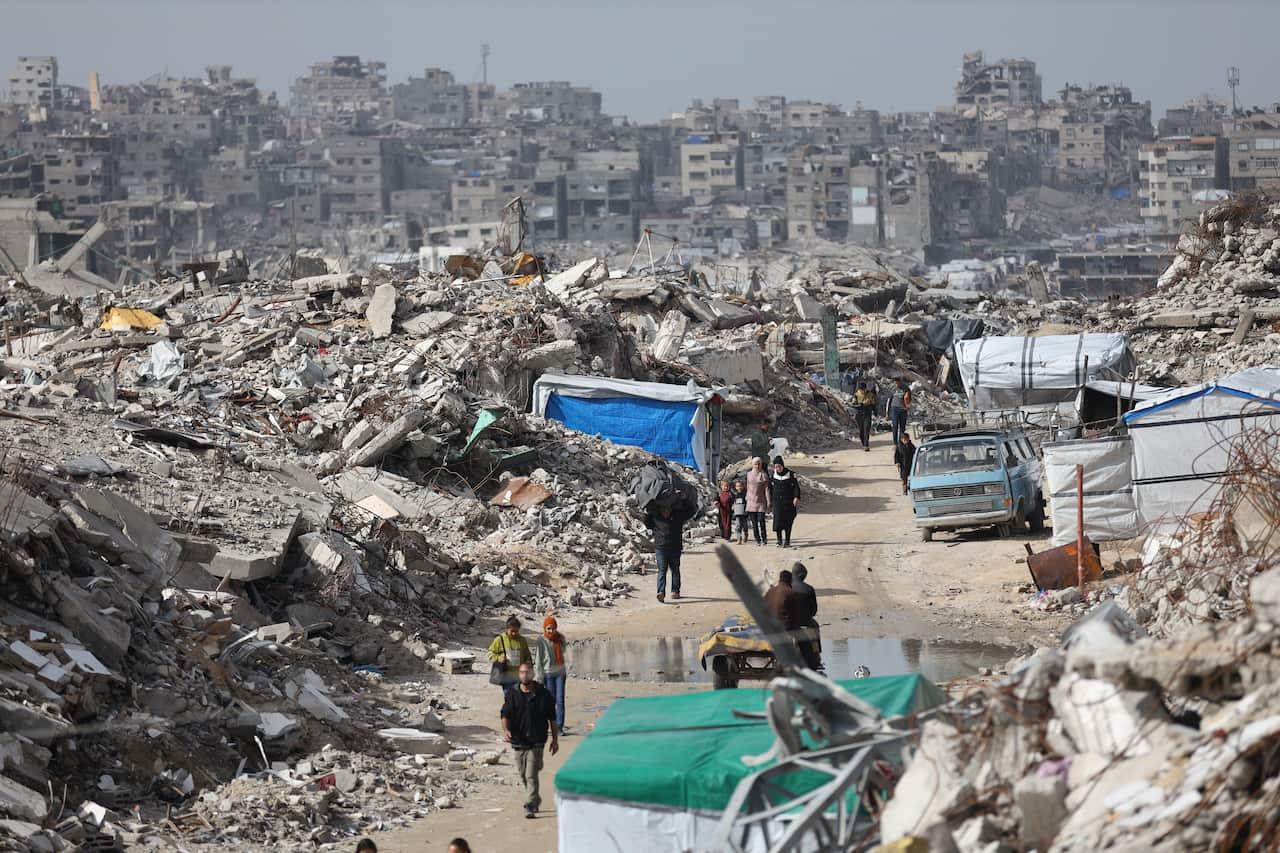
A tenuous ceasefire has been in place in Gaza since October last year, and those on the board would hypothetically oversee next steps as it moves into its second phase.
That phase also includes the UN-backed International Stabilization Force, a military peacekeeping force led by US General Jasper Jeffers with a mandate of the "permament disarmament" of Hamas and other armed groups.
In endorsing the plan, the UN gave the Board of Peace a two-year mandate. But there are signs rapidly emerging that Trump has a much broader, long-term vision.
For one thing, the board's draft charter makes no mention of Gaza or the Middle East, and Trump says that in his view, it would "start with Gaza and then [respond to] conflicts as they arise".
In letters inviting world leaders to become founding members, Trump said the Board of Peace would "embark on a bold new approach to resolving global conflict".
Additionally, the charter mandates that founding members start with three-year terms that are subject to renewal by the chair, Trump. Members can also ostensibly secure a permanent place on the board — by getting out their chequebooks.
According to the draft charter, the term limit will not apply to member states that pay more than US$1 billion ($1.5 billion) in "cash funds" to the board within its first year.
It does not elaborate on what those funds would be used for, but the Associated Press reported that a US official, speaking on condition of anonymity, said the money raised would go to rebuilding Gaza.
All this has led some to believe that Trump is actually seeking to create a body similar in nature to the UN — an organisation he has repeatedly criticised as ineffective and argued doesn't live up to its full potential.
What countries have agreed to participate in the Board of Peace?
So far, most countries that have been invited to be founding members of the Board of Peace have expressed some reticence about joining, with a few notable exceptions.
Hungary's Prime Minister Viktor Orbán — a longtime Trump ally — said in a post on X that the country had "of course, accepted this honourable invitation".
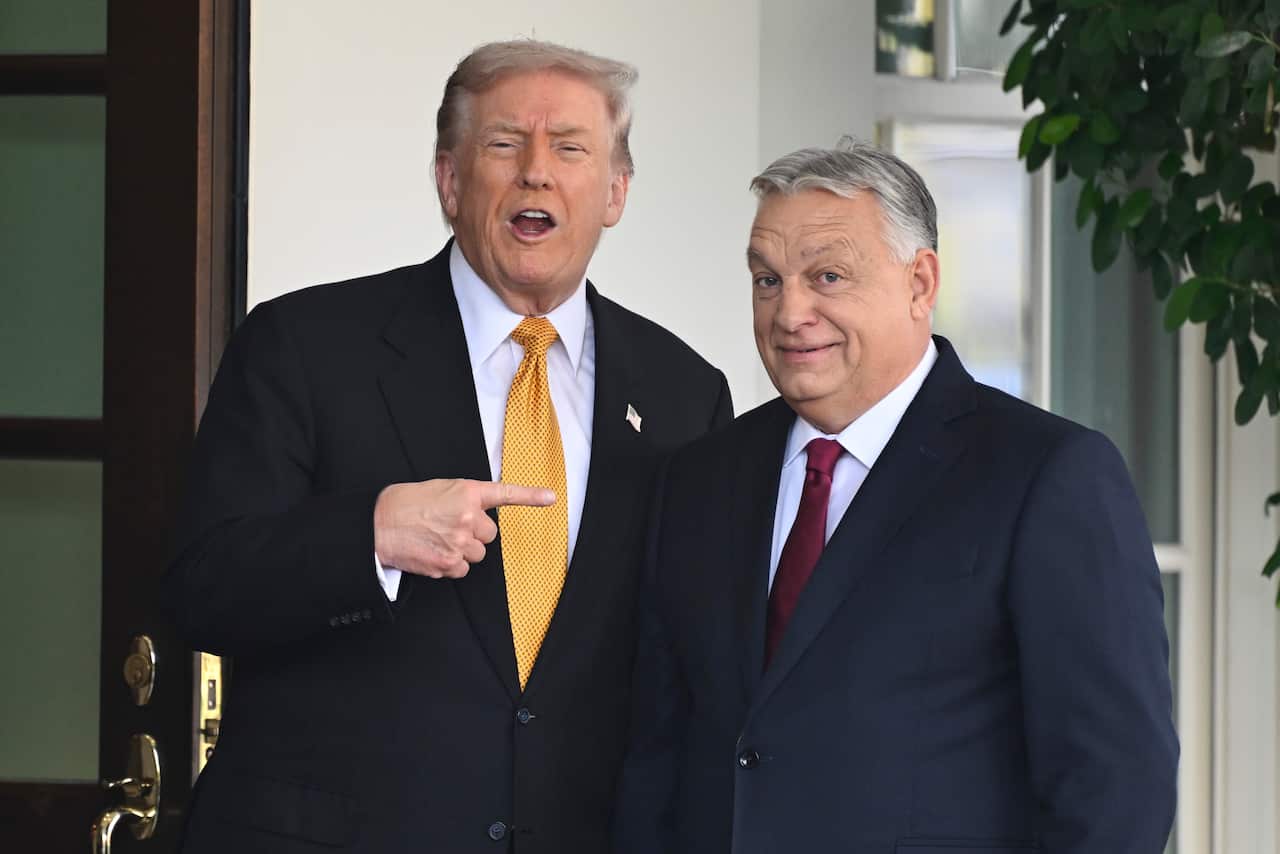
Vietnam's Communist Party chief Tô Lâm has also accepted, according to Vietnam's foreign ministry.
The US is expected to announce an official list of members in the coming days, likely during the World Economic Forum meeting in Davos, Switzerland, which Trump will be attending.
Wait, what about Tony Blair?
While the Board of Peace is what Trump has been inviting world leaders to join, there are several layers of bureaucracy, with multiple associated bodies being established alongside it.
The Board of Peace would have an executive board attached.
That executive board includes some recognisable figures: former UK prime minister Tony Blair, US secretary of state Marco Rubio, Trump's son-in-law Jared Kushner and Steve Witkoff, the US' special envoy to the Middle East.
It would also include Nickolay Mladenov, a former UN official who has been tasked with the role of High Representative for Gaza, World Bank president Ajay Banga, and others.
There would also be a Gaza executive board, which would include Blair, Witkoff and Kusnher along with Turkish, Qatari and Emirati officials, Egypt’s intelligence director, Israeli real estate tycoon Yakir Gabay, and Sigrid Kaag, a Dutch politician who is the UN's Special Coordinator for the Middle East Peace Process.
That executive board would oversee the interim Palestinian technocratic administration, supervising Gaza's governance for a transitional period.
Israel and the Palestinian militant group Hamas signed off on Trump's plan, which says a Palestinian technocratic administration — the National Committee for the Administration of Gaza — will be overseen by an international board, which will supervise Gaza's governance for a transitional period.
What concerns are being raised?
A range of criticisms have been levelled at the plan since it was announced.
Some rights experts and advocates have argued that Trump overseeing a board to supervise a foreign territory resembles a colonial structure.
There are no Palestinian members of the board over its advisory groups — only the interim governance — relegating Palestinians in Gaza to strictly municipal functions when it comes to their future.
Meanwhile, Blair's inclusion was criticised when it was signposted last year due to his controversial legacy.
As UK prime minister, Blair supported the US invasion of Iraq in 2003 and sent UK forces to participate in the Iraq War, based on false claims that Iraq possessed weapons of mass destruction. The UK's long history of imperialism in the Middle East also prompted criticism.
The inclusion of a charter has also prompted concerns among some European governments that such an entity would undermine the work of the UN, established after World War Two in 1945 to maintain international peace and prevent future conflicts.
"It's a 'Trump United Nations' that ignores the fundamentals of the UN charter," one diplomat, speaking anonymously, told the Reuters news agency.
A spokesperson for secretary-general António Guterres said UN member states are "free to associate in different groups" and that the UN would "continue with its mandated work" regardless.
— With additional reporting by Reuters and the Associated Press.
For the latest from SBS News, download our app and subscribe to our newsletter.







