in brief
- The native moths are a crucial species for local wildlife and significant to Traditional Custodian groups.
- Following a disastrous population collapse, the moths are back in numbers not seen for years.
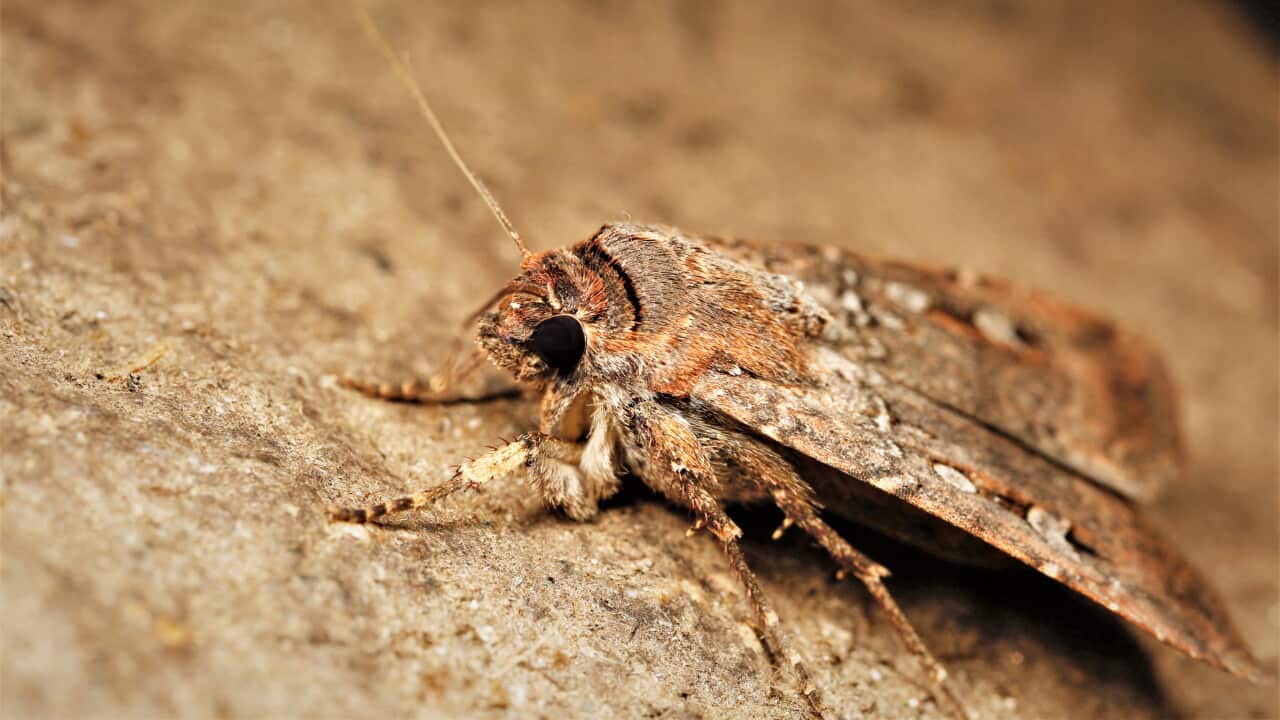
Social media has been lit up with videos of large gatherings of moths across NSW as the native Bogongs make their annual pilgrimage to the cooler southern alpine region.
The moths are crucial for vast tracts of the Australian ecosystem and were devastated by droughts leading up to the Black Summer bushfires, with some estimates suggesting 99.5 per cent of their population had been lost.
However, experts speaking to SBS News have said sightings this year are a hopeful sign of recovery and an indicator that nature can bounce back under the right conditions.
Zoos Victoria senior conservation biologist Dr Marissa Parrott said her organisation's Moth Tracker project — which encourages people to photograph and log sightings of the Bogong Moth — has been inundated with uploads this season.
"This year, we have had more Bogong Moth sightings come in through Moth Tracker in one month than our highest year, which was 2024," she said.
News that makes sense
Your trusted source for staying up-to-date with the world around you. Get free daily news updates and analysis, straight to your inbox.
"The amazing citizen scientists across Australia have blown those numbers out of the water, and we're extraordinarily hopeful that this heralds a great season for the moth."
Dr Eleanor Drinkwater, an entomologist at Western Sydney University, works with citizen science groups to track the moths. She told SBS News that the Bogongs are experiencing a lift in their public profile.
"I have been overwhelmed with how much people across Australia care about these creatures," she said. "We put out an expression of interest for people to want to get involved and help monitor, and we had 500 people in a matter of days get in touch."
The moths, which formerly numbered in the billions, are the only creatures apart from humans and some birds that navigate using the stars.
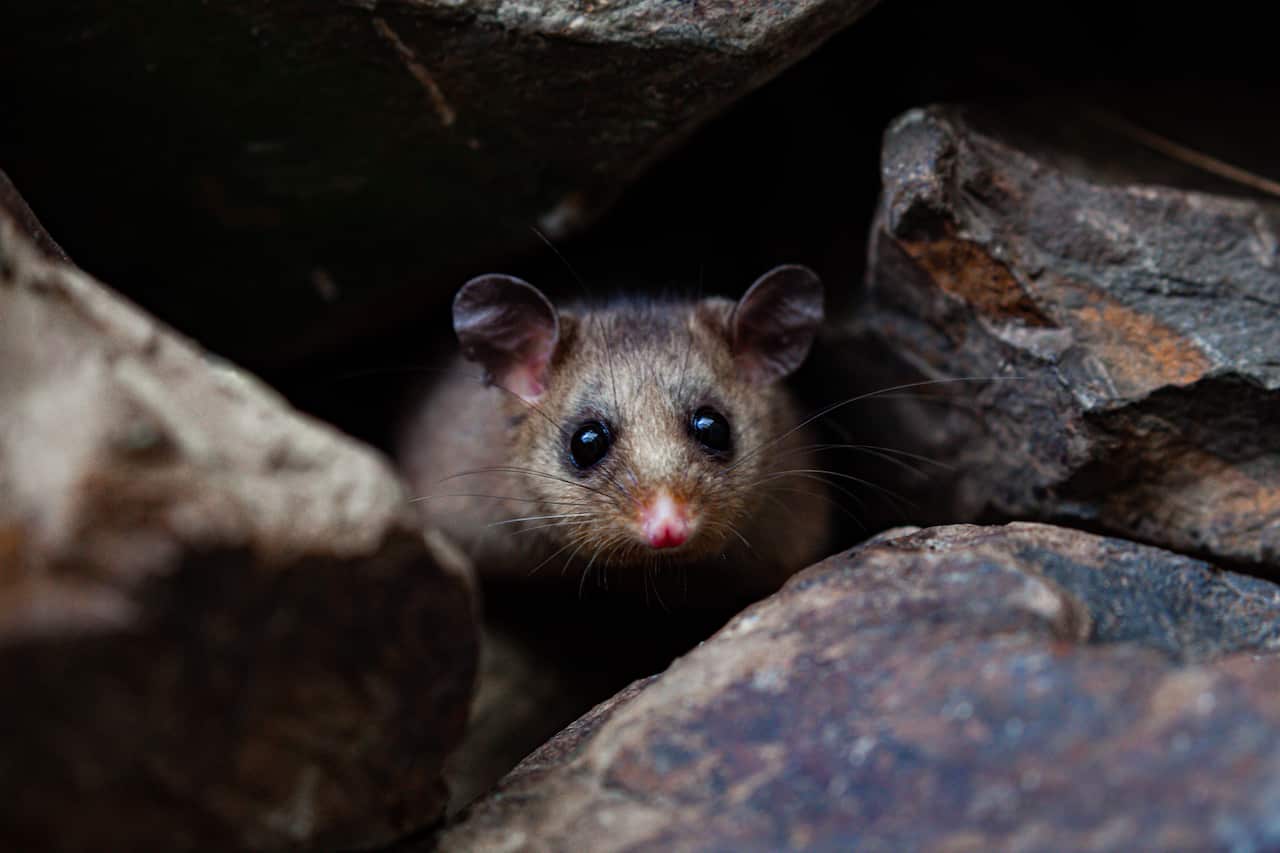
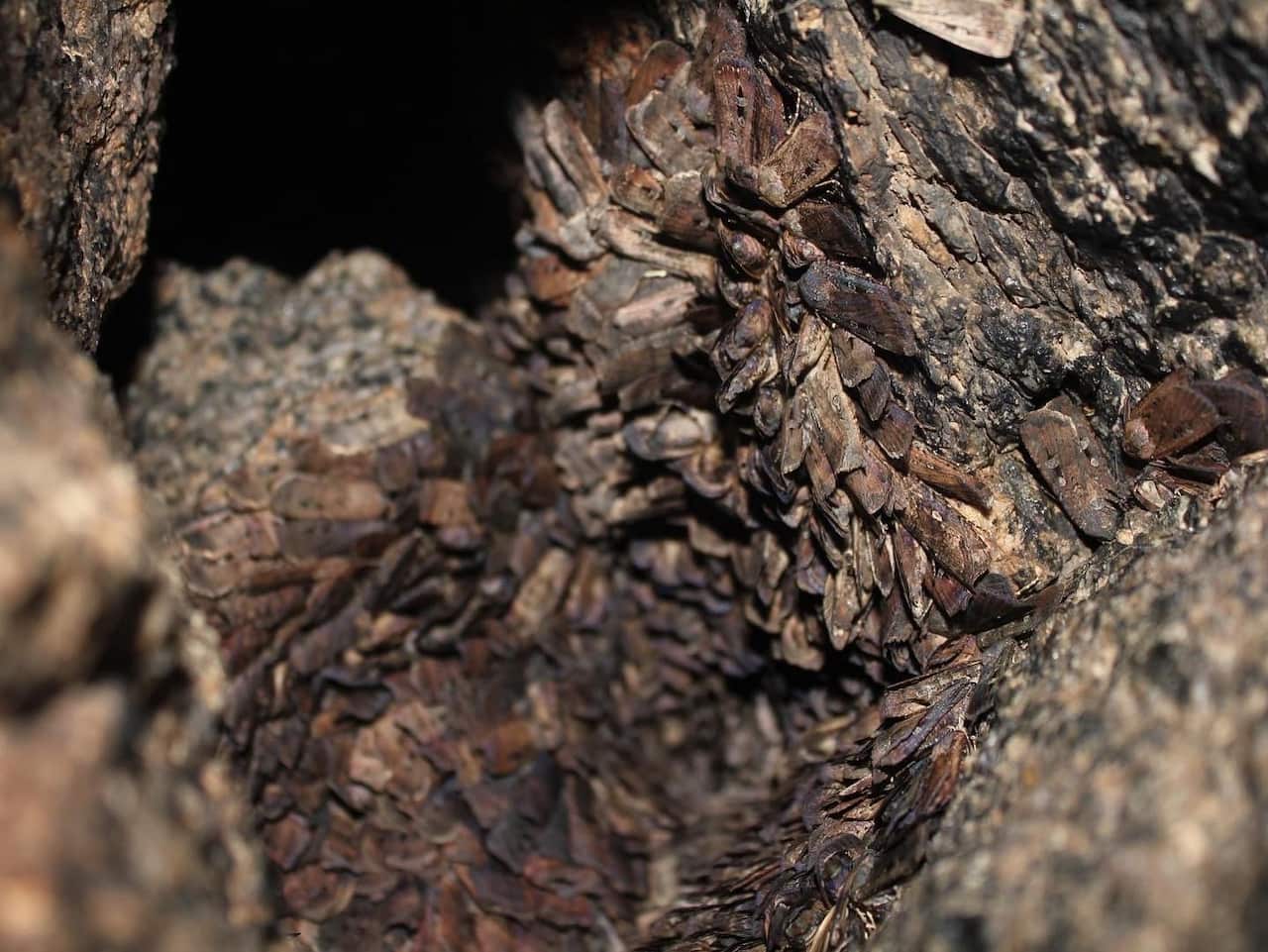
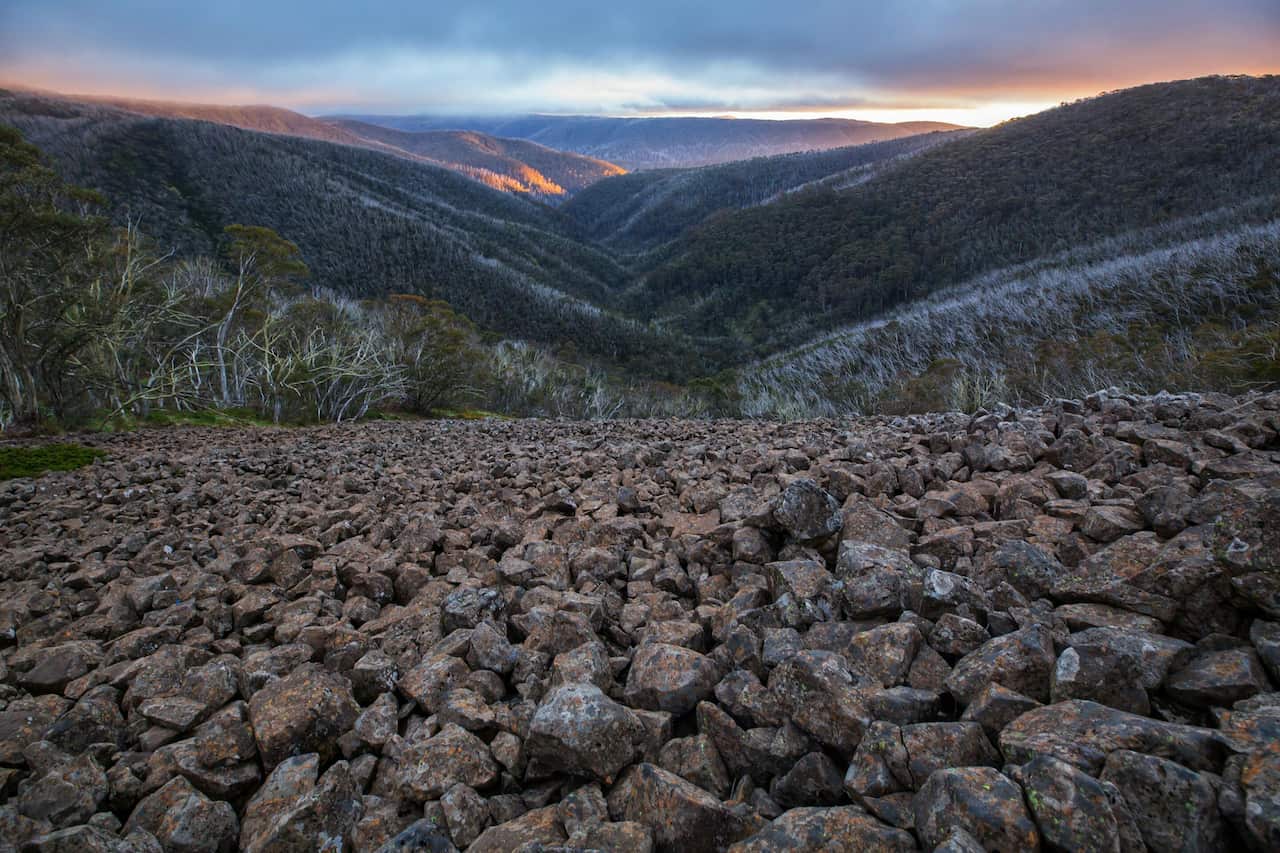
Their annual swarming to the cooler caves of the Australian Alps is second only to the sun in terms of the nutrients it brings to the region — a vital food source for animals like the critically endangered Mountain Pygmy Possum.
Drinkwater said this year's increase is "a story of hope".
"And also a story of the community getting together to do something about this really special species."
An 'extremely important' species
Bogong Moth swarms were once so large that they are recorded as having clouded out the night sky in early colonial accounts.
At the Sydney Olympic Games in 2000, a mass of moths was flagged on weather tracking systems as a low-hanging cloud.
However, Parrott said the moths have been hit hard by a combination of environmental factors including climate change — and that their absence has had wide-ranging knock-on effects.
"Since the 1980s, the Bogong Moths have been declining by about 50 per cent, due to things like habitat destruction, changed agricultural practices, the use of toxic insecticides and herbicides, introduced predators, and artificial light," she said.
Despite the challenges, Parrott said the moths were still arriving in numbers "around four billion" in 2016. In subsequent years, however, the insects born underground suffered as the landscape dried out.
"During that drought ... they went from being in these numerous swarms to being almost undetectable," she said.
The Mountain Pygmy Possum, reliant on a moth banquet after their hibernation of up to seven months, suffered massively as a result.
"[Half] of all females in monitored Victorian populations lost their full litters of young, and at the worst locations, it was more than 95 per cent of the possums lost all of the young in their pouches."
Parrott notes the moths also pollinate native plants during their migration of up to 1,000km and hold deep significance with Indigenous groups.
"They were an extremely important food source and cultural aspect for multiple traditional custodian groups, who would travel up to the Alps to meet, to have ceremonies, and to feast," she said.
More to learn
In 2021, the International Union for Conservation of Nature added the Bogong Moth to its red list as an endangered species.
However, the insect is not protected locally, as Australian conservation requirements demand a greater understanding of where the moths come from before making their way to the Alps.
Western Sydney University's Bogong Watch project, headed by Dr Kate Umbers, is aiming to fill in some of those gaps. Volunteers in the Alpine region are using special lanterns to tally moths as they head back to their breeding grounds, while the researchers trial special tags and isotope analysis to map their journeys.
Drinkwater said the work could ultimately force a reassessment of the Bogong's conservation status and, if they were found to be endangered, could unlock additional funding and profile-raising opportunities.
"Since the decline and crash, there has been a huge amount more investment in the research," she said. "There's been a lot more awareness that this species is actually kind of vulnerable, even though there's kind of millions of them, and a greater awareness about how important it is to conserve them."
Blown off course
Bogongs are seen every year across southern Queensland, the ACT, NSW, and Victoria, with isolated populations in Western Australia and Tasmania.
At just 2.5 to 3.5cm, with a wingspan of up to 5 cm, the creatures weigh less than a Tic Tac and are susceptible to strong air currents — they have even been found to have been blown as far off course as New Zealand.
Parrott said that the likely reason people on the east coast are seeing more Bogongs at the moment is because of strong winds that have pushed them toward the coast on their journey south.
"Light pollution draws them down from their migration as well, but they will then continue on their way — they're not going to come and stay," she said.
For people wanting to help the moths on their epic journeys, Parrott said the best thing is to switch off outdoor lights, keep cats indoors, and that if they do end up inside, just usher them out.
"We want to make sure no one is spraying insecticides or anything like that as it's terrible for the moths and other animals," she said. "Best to avoid using those toxic chemicals and just safely pop the beautiful moths outside."
She also notes that planting native flowers will provide the moths with a food source on their migration.
"If we can manage their threats, even in the face of things like drought and climate change, hopefully we can better support them to recover in the future."
While the explosion in sightings this year is encouraging, Drinkwater cautions that Bogong Moths will still take some time to return to their previous population levels.
"They are still endangered," she said.
"It's still important for us to keep focused on conserving these species because they're still not out of the woods yet."
For the latest from SBS News, download our app and subscribe to our newsletter.







