Australia is expected to suffer a moderate-to-strong El Nino in the second half of 2015, potentially exacerbating prolonged drought in the eastern states.
The Bureau of Meteorology on Tuesday officially declared the existence of an El Nino, the precursor to many of Australia's worst droughts.
El Nino is characterised by a warming of sea surface temperatures in the central and eastern Pacific Ocean and can cause below average rainfall in Australia in winter and spring, particularly in the east.
RECOMMENDED READING:

BOM: We're calling it, the 2015 El Niño is here
David Jones, of the bureau's climate information services branch, says El Nino does not always mean drought in Australia but since 1900 it has been a strong indicator of drier times ahead.
"We know that 17 of the last 26 El Ninos have seen reasonably extensive drought conditions over Australia," he said.
"So while below-average rainfall is not guaranteed, there is a strong weighting and assistance towards below-average rainfall and increased risk of drought, which obviously isn't good for those people already in drought."
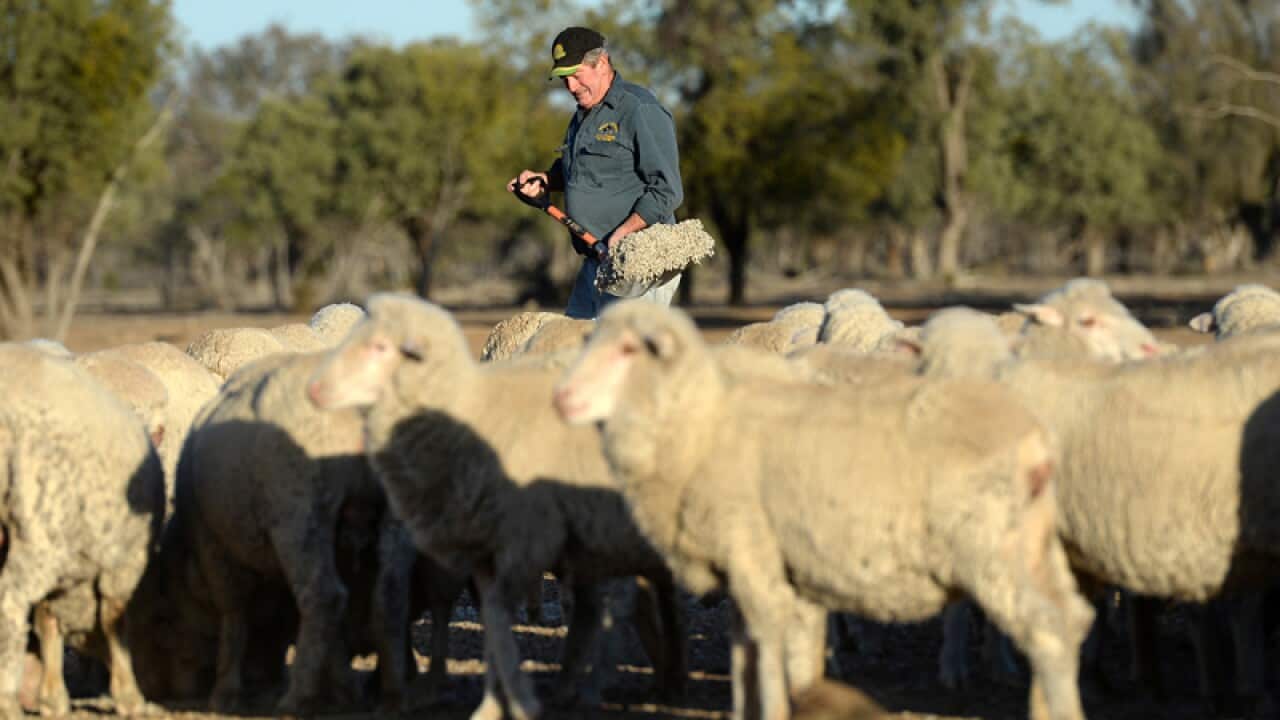
Vast areas of inland Queensland and NSW, western Victoria and southern South Australia are already affected by drought, with rainfall below 10 per cent of average for more than two years in some areas.
Worse, Dr Jones said global forecast models suggest this El Nino, the first observed since March 2010, is expected to peak in spring and early summer and to have a significant impact.
"Certainly the models aren't predicting a weak event. They are predicting a moderate-to-strong El Nino event. So this is a proper El Nino event, this is not a weak one or a near miss as we saw last year," he said.
RECOMMENDED READING:
Factbox: Impact of El Nino on key crops in Asia and South America
Climatologists have debated the possible existence of an El Nino in the Pacific for the past eight months.
Sea surface temperatures have been at or near El Nino levels since spring last year, save for a brief dip after Christmas.
Just four weeks ago, the bureau raised to 70 per cent or more the chances an El Nino would form by spring 2015.
"We had a near miss in 2014-2015. Last year we saw some indices, such as the sea surface temperatures at times exceed El Nino thresholds ... but we didn't see them all coming together at the same time or we didn't see it sustained," Dr Jones said.
Share


