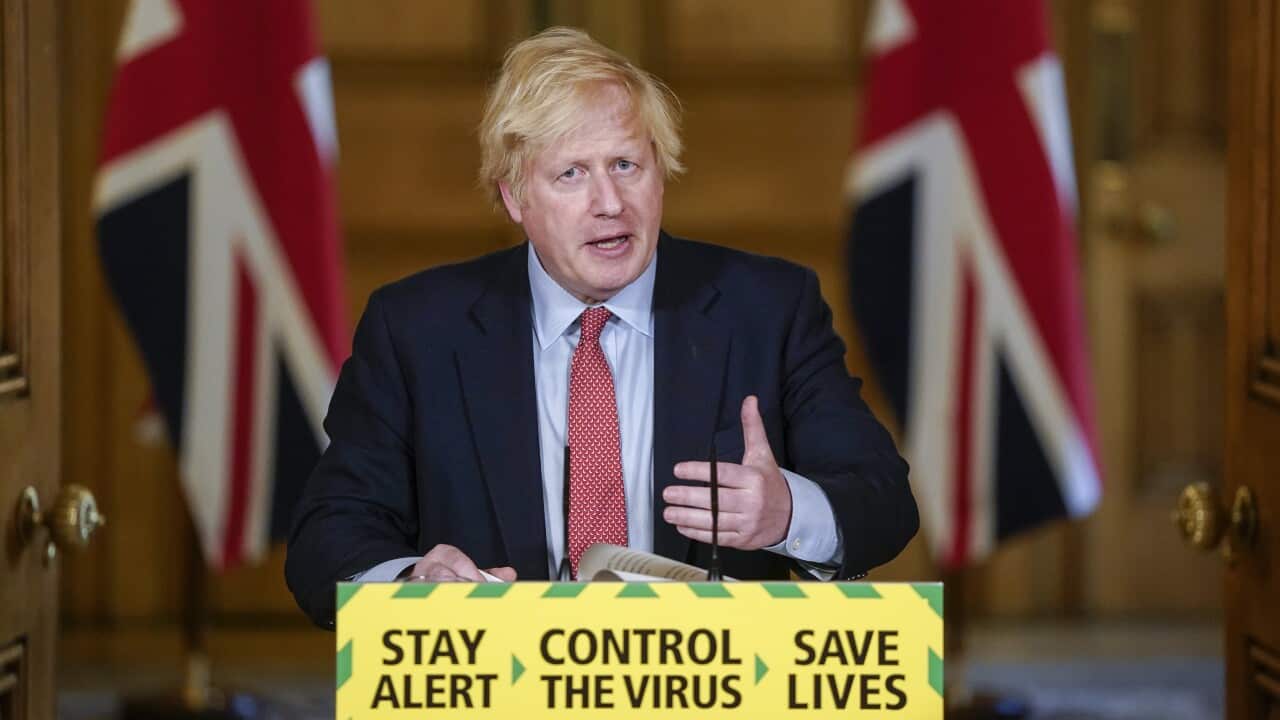
Prime Minister Boris Johnson urged Britain on Wednesday to move on from what he described as a "very, very frustrating episode" when his closest adviser provoked outrage and scorn for taking a long-distance drive during the coronavirus lockdown.
Dominic Cummings has refused to quit after it was revealed that he had travelled 400 km (250 miles) from London to northern England in March with his four-year-old son and his wife, who was sick at the time, to be close to relatives.
Mr Johnson has repeatedly backed his adviser, and on Wednesday in front of MPs, several of whom directly challenged the prime minister, he again voiced his support for a man who, he said, had spent a lengthy amount of time explaining himself.
That strategy appears to be a risky one.
News that makes sense
Your trusted source for staying up-to-date with the world around you. Get free daily news updates and analysis, straight to your inbox.
Opinion polls show that faith in the British leader has tumbled since the story broke on Friday in The Mirror and The Guardian newspapers, and some of his own Conservative colleagues have called for Mr Cummings to be sacked.
"It's been a very, very frustrating episode and I understand why people ... have been so concerned, because this country is going through a horrendously difficult time," Mr Johnson told a parliamentary committee.
"(If) what we need to do is to focus on getting the message right ... then I think what we need to do really is to move on."
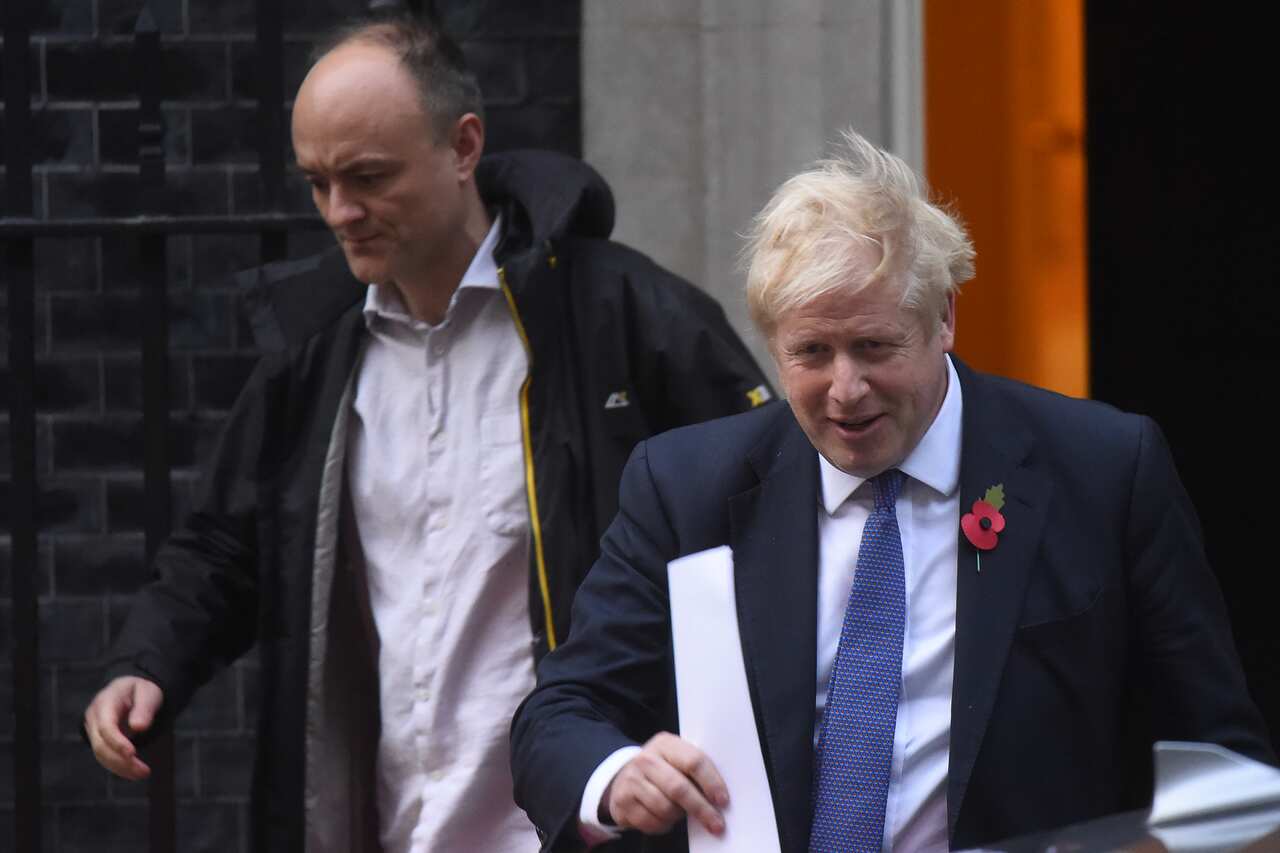
It was a message his ministers pressed earlier on Wednesday, trying to dampen down the row over Mr Cummings, a divisive figure who is seen by both allies and opponents as Mr Johnson's most important and influential strategist.
But Yvette Cooper, an opposition Labour MP, said the prime minister was more interested in "trying to protect Dominic Cummings" than giving straight answers on the advice for parents during the lockdown.
"The problem is, that means you are putting your political concerns ahead of clear public health messages," she said.
Mr Johnson and his team are keen to move the conversation on, and he announced that a new test and trace program to better monitor the spread of the virus in the population would launch in England on Thursday.
The program, which will mass test and identify the contacts of anyone who has been close to a positive case of
COVID-19 is seen as crucial to helping the government ease the most stringent lockdown in peacetime history.
Britain is poised to start relaxing measures on non-essential retail shops, schools and possibly to allow more
social contact soon for millions of people who have been mostly stuck at home for weeks.
But the row over Mr Cummings has made some doubt the government, with many people still unable to understand how a senior official had not broken the rules by driving north for help with childcare when the government repeatedly told people to "stay home" and "save lives".
YouGov found 71 per cent of people believed Mr Cummings had broken lockdown rules and 59 per cent thought he should resign.







