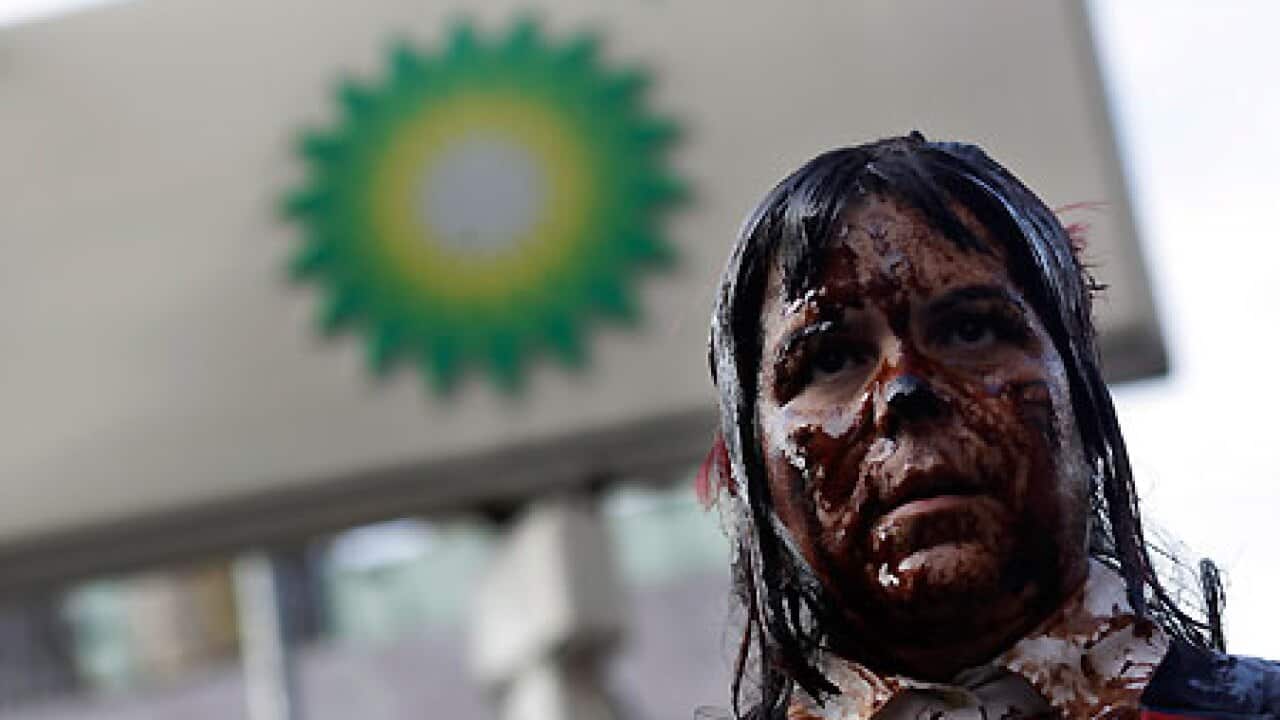
President Obama has summoned BP's chairman to a White House meeting over the catastrophic Gulf oil spill, but there was no mention of CEO Tony Hayward.
The United States more than doubled Thursday the estimated size of the Gulf of Mexico oil leak, and Obama has said he would fire Hayward, if he could, for making flippant remarks about the crisis.
Carl-Henric Svanberg, the Swede who chairs BP's board, was invited to the meeting next Wednesday along with other company officials.
News that makes sense
Your trusted source for staying up-to-date with the world around you. Get free daily news updates and analysis, straight to your inbox.
"The potential devastation to the Gulf Coast, its economy, and its people require relentless efforts to stop the leak and contain the damage," said a letter to Svanberg from Thad Allen, the Coast Guard admiral leading the US government's response to the crisis.
Data suggesting the leak could be upwards of 40,000 barrels a day rounded off a miserable day for BP in which its share price plummeted almost 16 percent in early London trading before finishing at its lowest level since 1997.
Investors fled for fear Obama intends to exact a heavy price from the British energy giant as its potential liability soars and US officials look to suspend prized shareholder dividends until compensation is paid.
Share prices collapse
Although it later recouped most of its loss, BP's share price has collapsed more than 40 percent - wiping tens of billions of dollars off its market value - since the Deepwater Horizon rig sank on April 22.
Friday could be worse as the markets had already closed by the time Marcia NcNutt, chairing the US government's flow rate assessment team, doubled the previous official flow figures of between 12,000 and 19,000 barrels per day.
"The lowest estimate that we're seeing that the scientists think is credible is probably about 20,000 barrels, and the highest that we're seeing is probably a little over 40,000," McNutt told reporters.
For angry Americans digesting daily images of oiled birds and crude-covered marshes, this only reinforced the impression that BP has been disingenuous about the size of the spill from the start to try to limit its liability.
The company's first estimate was only 1,000 barrels per day and it stuck to a later estimate of 5,000 barrels a day even as that amount was being siphoned to the surface with more oil and natural gas still clearly gushing out.
A million barrels potentially spilling each day
A containment device fitted last week is now capturing 15,800 barrels a day, but the latest data suggests at least 4,200 barrels and possibly up to 25,000 barrels, more than one million gallons, is still spewing into the sea each day.
At least 40 million gallons of crude has already poured into the Gulf, and perhaps double that. By comparison, the Exxon Valdez tanker leaked roughly 11 million gallons into the sea off the Alaskan coast in 1989.
The latest plunge in BP's share price came the day after US Interior Secretary Ken Salazar said the company's liability should include reimbursements for all companies hit by a six-month moratorium on deep sea drilling.
Asked during a Senate grilling if the government will make BP pay out to all companies that go out of business, take bankruptcy or lay off workers, Salazar replied: "The answer to that is, yes, we will. BP is responsible."
US government officials said BP had agreed to speed up payouts to individuals and businesses affected by the spill following a meeting with Admiral Allen.
In an interview with AFP, Allen said BP had responded to a letter ordering it to inform the US government by Friday of its contingency planning for the containment system and said he was satisfied by its response.
The imminent arrival of a second processing vessel is expected to boost the capacity of the containment system to 28,000 barrels and Allen said further operations would be carried out over the "next three to four weeks" to put down a new mooring at the site.
The mooring will allow a super tanker and more equipment to be brought in to place a more fitted cap on the leak that can capture all the leaking oil and make the system easier to disconnect in the event of a hurricane.
A permanent solution will not come before the first of two relief wells are drilled, in August at the earliest, allowing the leak to be plugged with cement.
Obama, who heads to the Gulf next week for his fourth visit since the disaster, met Thursday at the White House with relatives of the 11 workers killed when the Deepwater Horizon rig exploded.







