When it comes to lying practice makes perfect because the brain slowly adapts to ignore the emotions produced by deception, according to new research.
Whether it's a "the dog ate my homework" lie or financial fraud, most people know small transgressions can gradually lead to larger ones.
Scientists in the UK say they now have empirical evidence in the form of brain scans to prove this gradual escalation in dishonesty is biologically driven by neurons buried deep in a part of our brain, known as the amygdala.
"We show that signal reduction in the amygdala is sensitive to the history of dishonest behaviour, consistent with adaptation."
The amygdala is an almond-shape set of neurons located in the brain's medial temporal lobe.
News that makes sense
Your trusted source for staying up-to-date with the world around you. Get free daily news updates and analysis, straight to your inbox.
In humans and other animals, this subcortical brain structure is linked to both fear responses, such as anxiety, and pleasure.
According to research published in journal Nature Neuroscience, it's thought the brain's blunted response to repeated acts of dishonesty reflects a reduced emotional response.
"We show that signal reduction in the amygdala is sensitive to the history of dishonest behaviour, consistent with adaptation," the authors say.
Researchers Neil Garrett and Tali Sharot from University College London recruited a group of 58 adults, aged 18 to 65, to take part in their study, published in journal Nature Neuroscience.
The participants were given a jar of money and then told how much was in it. They were then asked to tell a second person about the amount of money contained in the jar of coins.
Participants were told they would either: Benefit from lying at the expense of the other; both would benefit or the other person would benefit at the expense of the study participant.
Dishonesty escalated over several trials to a greater degree for the for the two conditions that benefited the participant, compared to the condition that benefited the second person at the expense of the participant.
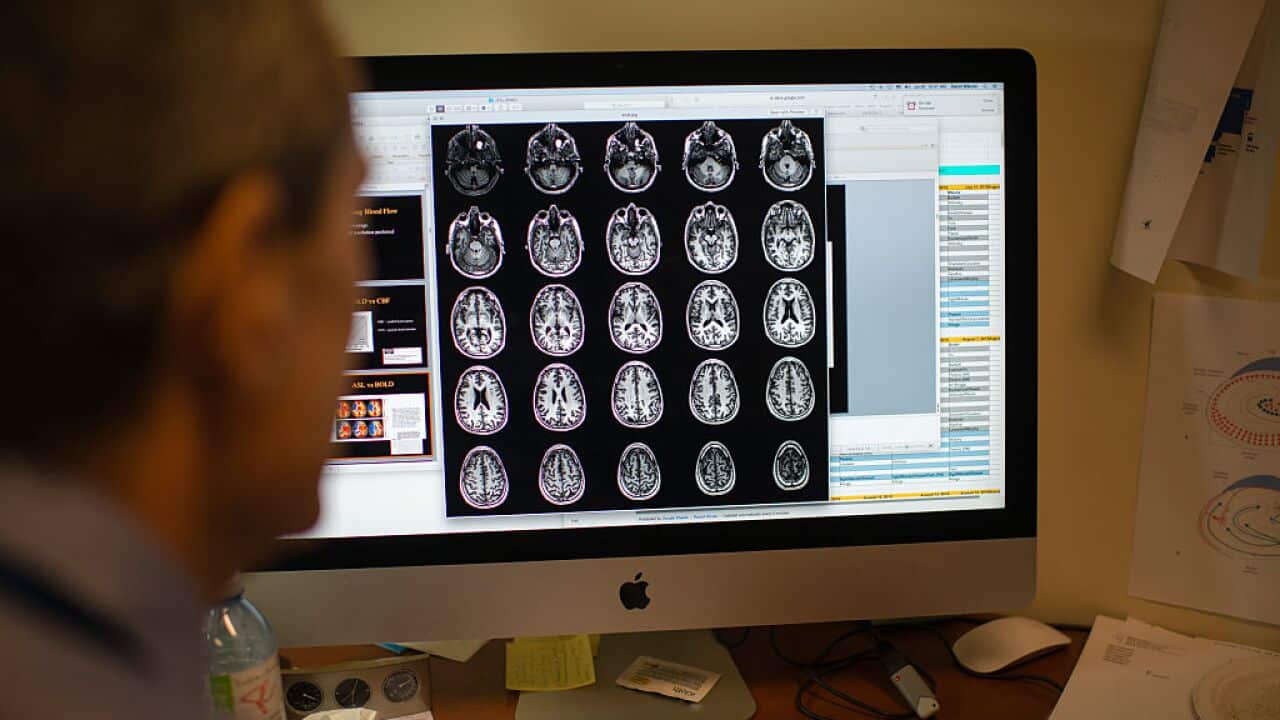
A subset of the participants completed the experiment while their brain activity was measured by functional magnetic resonance imaging (fMRI)
The images from the fMRI scans found that the amygdala in both brain hemispheres showed a progressively reduced response to self-serving, but not self-harming, dishonesty over time.
"The findings uncover a biological mechanism that supports the 'slippery slope': what begins as small acts of dishonesty can escalate into larger transgressions," said the authors.







