
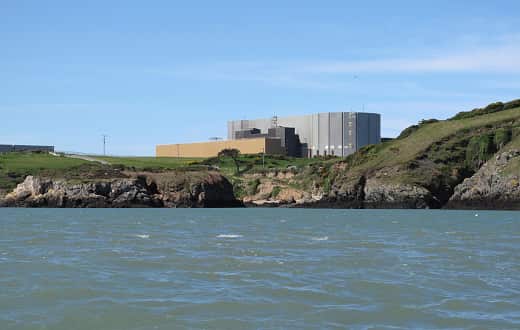
Only days after British Prime Minister Theresa May’s overwhelming defeat of her Brexit deal, Hitachi has announced it will suspend construction of a nuclear power station in Wales due to financing difficulties.
The suspension of the multi-billion dollar nuclear power project dealt a major blow to Britain's energy strategy and leaves the Japanese company with a huge bill.
Hitachi's UK unit, Horizon Nuclear Power failed to find private investors for its plan to build a plant at Wylfa in Wales, which was expected to provide about 6 percent of Britain's electricity.
Britain has put nuclear power at the heart of its low-carbon energy policy, but in addition to Hitachi's announcement, its Japanese peer Toshiba last year pulled the plug on a nuclear power plant in northwest England.
"We've made the decision to freeze the project from the economic standpoint as a private company," Hitachi said, adding it had booked a write-down of 300 billion yen (A$3.8 billion).
News that makes sense
Your trusted source for staying up-to-date with the world around you. Get free daily news updates and analysis, straight to your inbox.
Hitachi launched the Wylfa project after acquiring British-based Horizon Nuclear Power in 2012.
Business and Energy Secretary Greg Clark said nuclear power still had "an important role to play as part of a diverse energy mix" in Britain.
Unstable Environment
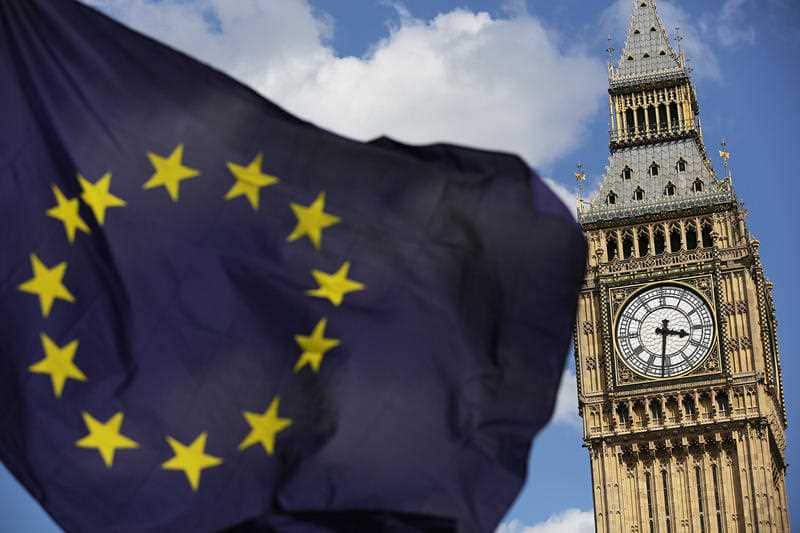
The unwelcome news for the UK comes as Prime Minister Theresa May reels from a parliamentary defeat over her Brexit deal, but Hitachi CEO Toshiaki Higashihara told reporters that Britain's looming EU departure had had "no bearing" on the decision.
But one analyst said the uncertainty of Brexit is inevitably affecting many business decisions.
"We had Hitachi today, that's what’s caught the news but for many businesses large and small, the uncertainty created by Brexit has had a negative influence on future investment plans," said Professor Stephen Roper at Warwick Business School in the UK.
"All of the evidence suggests that macroeconomic uncertainty or environmental uncertainty like Brexit does make long-term investment more difficult particularly when you’re looking at significant and long term investments, like energy investments such as power stations or nuclear plants."
Businesses re-thinking investment plans
Today, Dutch multinational Philips announced the closure of a British factory making baby bottles, threatening 430 jobs, citing "ongoing geopolitical challenges", months after warning about the potential negative effects of Brexit.
Philips said it aimed to close its Avent plant in Suffolk, south east England, in 2020 and transfer work back to its Dutch base.
The company's chief executive Frans van Houten warned last year that Brexit may force a "rethink" on its operations, saying that an ongoing customs union with the EU was a "minimum" requirement.
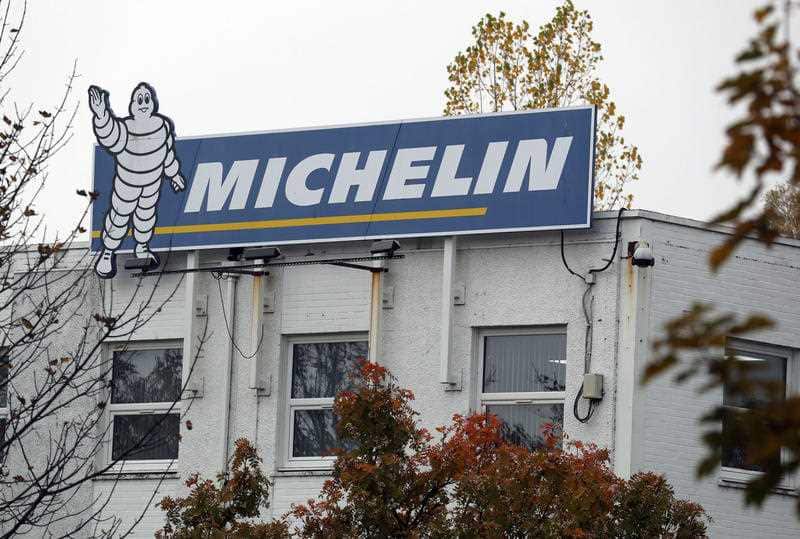
This latest plant closure announcement comes off the back of announcements made by two European car parts suppliers, Schaeffler and Michelin in November last year signalling their respective intentions to close their UK factories, putting at risk 1,400 jobs.
Professor Roper said such closures are hardly surprising.
"I think we’ve got quite significant evidence that many externally owned companies in the UK, we’ve seen an example perhaps with Philips, is beginning to rethink some of the re-investment plans they might have had for operations in the UK."
In late November last year, the UK government suggested that its economy could be up to 3.9 per cent smaller after 15 years under Theresa May's Brexit plan, compared with staying in the EU.
Professor Roper said the ultimate economic impacts, although negative, are very difficult to estimate.
"We don’t know the nature of the phenomenon yet, we don’t know the timing (of Brexit) so it’s really hard to be sure.
"What we do know is that it’s costing many UK businesses already in terms of preparations they are making trying to deal with the uncertainty of dealing with Brexit and many other businesses are scaling back on their investment plans because of this uncertainty.
"We can be sure it will be costly but the costs in precise terms are very hard to estimate."
With AFP and Reuters







