
IN BRIEF
- At least 53 cases of bird flu have now been confirmed across Australia.
- Farmers across the country have been encouraged to take precautions.
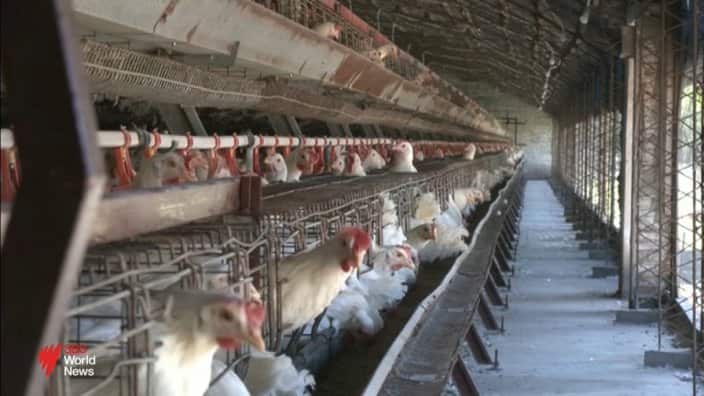
For 60 years, Brian Ahmed has farmed the same stretch of land in Melbourne's east. These days, getting past the farm's gate isn't easy — his birds need all the protection they can get.
"At the moment, because of all the concerns with Avian influenza ... I'd say all farms now have increased their biosecurity levels," he told SBS News.
"The less people we have on our farms, the less chance of anything coming on.
"Our number one priority is to protect our birds, and the best way we can do that is to make sure they don't mix with anyone that they don't need to."
Avian influenza, or bird flu, is a highly contagious virus that predominantly affects bird species, causing severe disease and sudden death.
News that makes sense
Your trusted source for staying up-to-date with the world around you. Get free daily news updates and analysis, straight to your inbox.
It has wreaked havoc on avian and mammal species in other parts of the world, but until recently hadn't made it to mainland Australia.
The disease now appears to be spreading across the country quickly, with 53 confirmed or presumed cases nationwide, just a month after the first contagious bird was found.
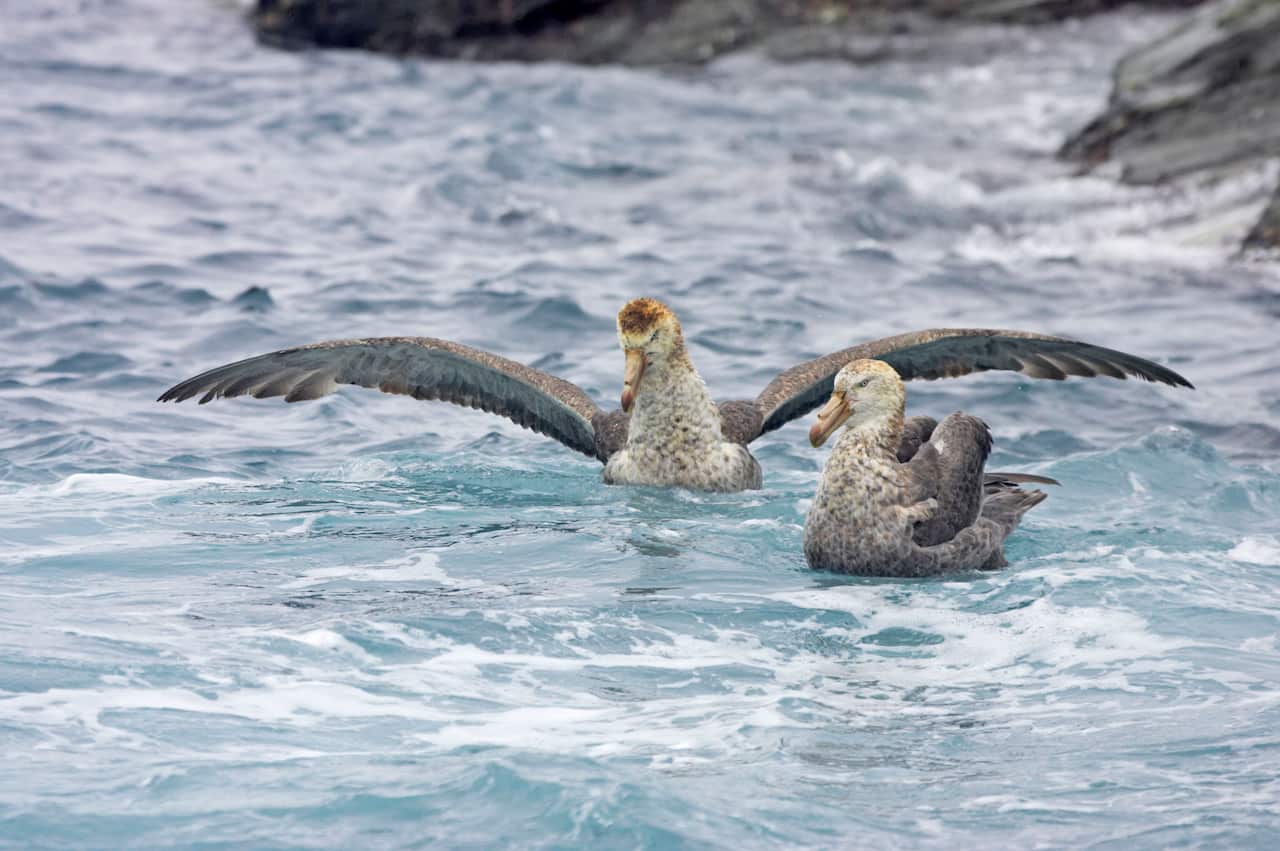
The latest figures were confirmed on Saturday, with the Department of Agriculture, Fisheries and Forestry saying a silver gull found at Robe in South Australia tested positive for H5 bird flu — the first confirmed detection in a silver gull in Australia.
Experts indicate that the recent detection is important, as gulls move between beaches, wetlands, farmland, and urban areas, potentially spreading the virus to wider environments.
At the same time, in Victoria, preliminary testing has identified five crested terns, three from Portland and two from Nelson Bay, suspected to have bird flu.
'Next level' biosecurity'
Farmers across the country have been encouraged to take precautions, something that might impact their operations.
Chris Groves, chairman of the farming systems committee with the National Farmers Federation, told SBS News that "agricultural industries really have to take their precautions, their biosecurity, to the next level".
"It will cause some interruptions to daily operations of a large poultry farm because they have to be more careful," he said.
"A lot of the big operators, they've prepared for this already. They've dealt with and seen what happened with the other strain of bird flu that we did have in Victoria. So it won't cause a big hiccup in the industry at all there."
There have been no detections in poultry or in Australia's agricultural production system.
National leaders met on Friday to discuss Australia's ongoing response to the virus, which now spans five states.
Agriculture Minister Julie Collins said they vowed to do "everything we can" to help protect Australia's wildlife, agricultural industries and the national economy amid the outbreak.
'Devastating impact'
Farmers like Brian expected the virus would eventually reach Australia, but the latest news has raised their concern.
"We're not surprised, but we've been watching avian influenza around the world for some time now, we knew it was only a matter of when," Brian said.
"While it was in our migratory birds, we were concerned, but not overreacting. Now that it's in our local birds, we know that that's just another step towards spreading into possibly our commercial flocks as well.
"It can have a devastating impact [for commercial flocks]."
In previous avian influenza outbreaks in Australia, egg production was impacted.
This time, the federal government has said it is ready and has invested $113 million to prepare for the arrival of the disease in Australia. A further $24 million was released to states and territories in July.
Will there be more cases?
H5 bird flu had reached every continent before arriving in Australia in June, carried by migratory birds.
Experts suggest looking at how quickly the virus spread in other countries can help predict its patterns here.
Emma Grant, a fellow at La Trobe University and a viral immunologist specialising in influenza, said it's "appropriate to be concerned, as when any new virus enters a population, we're never completely sure of what the effects are going to be".
"These particular bird viruses can actually replicate and spread very quickly," she told SBS News.
"It's not surprising that we're starting to see some local transmission between our bird populations. And I think it remains to be seen how quickly, and how fast, this will spread."
— With additional reporting by the Australian Associated Press news agency.
For the latest from SBS News, download our app and subscribe to our newsletter.







