Britain has moved a step closer to leaving the European Union after parliament cleared the way for Theresa May to begin formal Brexit negotiations.
The landmark legislation, which allows the prime minister to trigger the start of the Article 50 withdrawal process, completed its passage through the House of Lords on Monday without amendment.
Brexit Secretary David Davis hailed the outcome, saying the UK was "on the threshold of the most important negotiation for our country in a generation".
But the result was overshadowed by the bombshell announcement earlier in the day by Scottish First Minister Nicola Sturgeon that she intended to hold a second independence referendum just as those talks were coming to a head.
The move drew a furious response from May who accused the SNP of "playing politics with the future of our country" with a vote that would only create "more uncertainty and division".
News that makes sense
Your trusted source for staying up-to-date with the world around you. Get free daily news updates and analysis, straight to your inbox.
Her comments were seen as an indication that she will not allow the referendum to go ahead until after the Brexit process is complete - which is expected to be in the spring of 2019.
Downing Street has indicated that May will not seek to invoke Article 50 until the end of March.
EU leaders had been prepared for an announcement this week, with April 6 pencilled in as the date for a meeting of the other 27 nations to respond to the move - a gathering which will now be pushed back until later that month.
May's official spokesman played down suggestions she was delaying due to Sturgeon's announcement, saying the prime minister had always said she would trigger Article 50 by the end of March.
Waiting until the last week of March would not only avoid a clash with the Dutch general election on Wednesday, but also delay the start of negotiations until after a special summit in Rome on March 25 to celebrate the EU's 60th anniversary.
On Monday night, the Lords finally backed down in their battle with ministers over their attempts to change the legislation after the Commons overturned two amendments previously backed by peers.
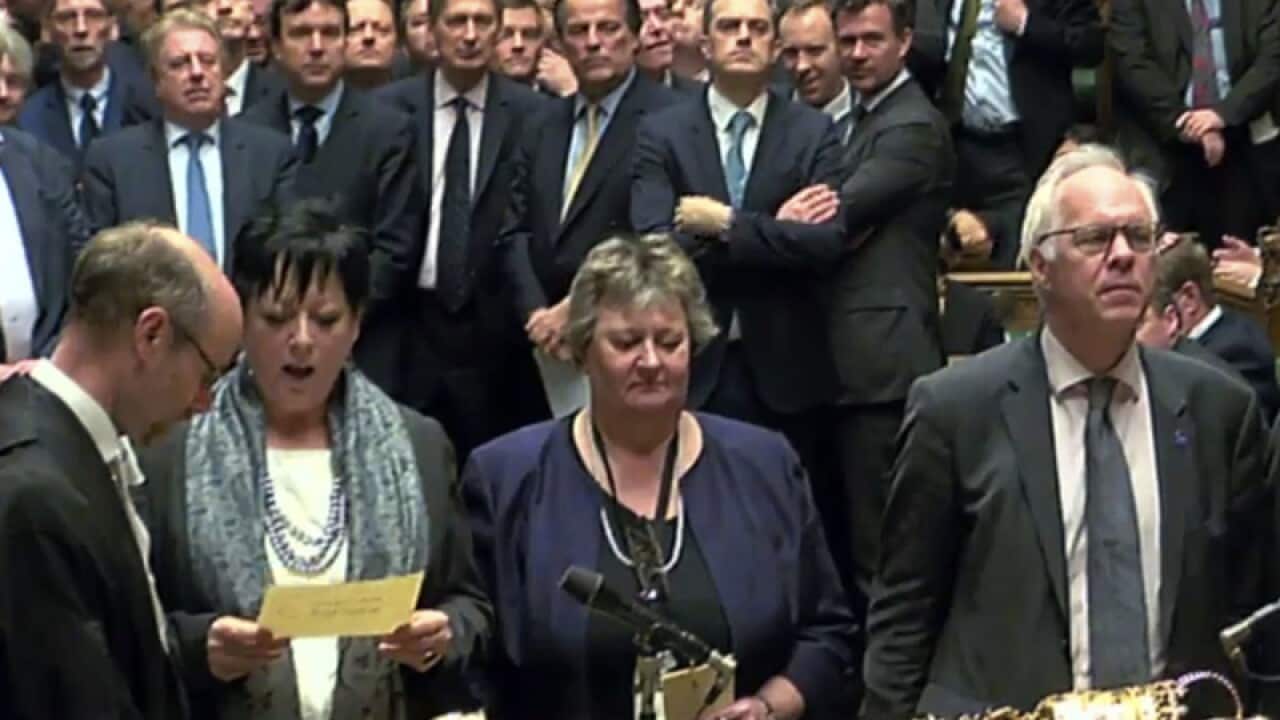
MPs voted by 331 to 286 to reject one amendment requiring parliament to be given a "meaningful" vote on the outcome of the Brexit negotiations and by 335 to 287 to dismiss a second amendment guaranteeing the future status of EU nationals living in the UK.
Labour leader Jeremy Corbyn said it was "deeply disappointing" the government had refused to give ground but that it was "only the start of the process".
"Labour, at every stage, will challenge the government's plans for a bargain basement Brexit with Labour's alternative of a Brexit that puts jobs, living standards and rights first," he said.







