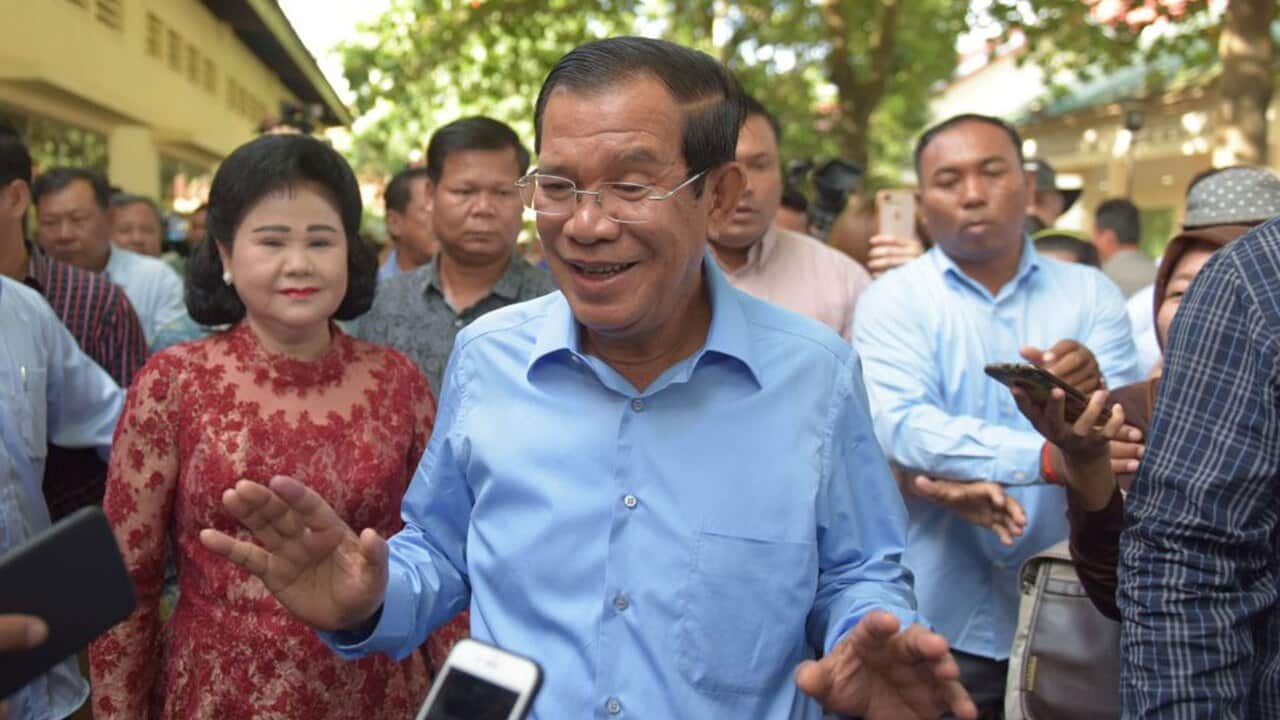
Cambodia is "preparing" to receive more refugees from Australia's offshore detention centres, according to an ABC report.
In an interview with the ABC's Four Corners, Prime Minister Hun Sen said he was ready to "accept more" refugees.
Cambodia signed a four-year deal with Australia in 2014, agreeing to accept refugees from Nauru in exchange for almost $50 million in additional aid and resettlement services.
But just three of seven resettled refugees from Nauru are still in Cambodia.
"The federal government would not comment on whether the $50 million refugee deal will be extended or renewed when it runs out in the coming months," Four Corners said.
News that makes sense
Your trusted source for staying up-to-date with the world around you. Get free daily news updates and analysis, straight to your inbox.
"Flawed elections"
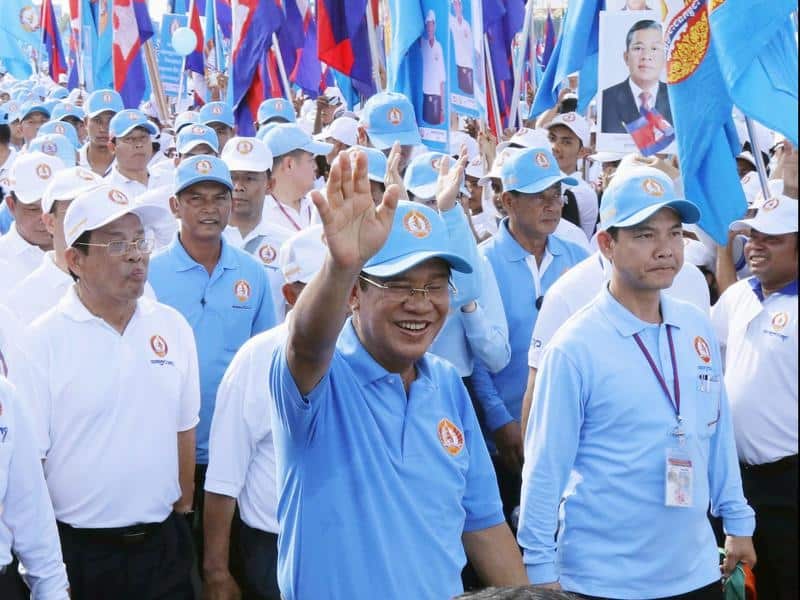
It comes as Hun Sen's ruling Cambodian People's Party (CPP) said it won all 125 parliamentary seats up for grabs in a general election that critics say was neither free nor fair.
"The CPP won 77.5 per cent of the votes and won all the parliamentary seats," CPP spokesman Sok Eysan told Reuters by telephone. "The other parties won no seats."
Cambodia woke to another chapter of rule by strongman Hun Sen on Monday, a day after an election that was heavily criticised by rights groups, the United States and other Western countries.
Foreign Minister Julie Bishop said Australia has "serious concerns" about the election and had made them known to the Cambodian government.
"Freedom of expression and association underpin democratic societies," she said.
"Australia is concerned the election took place in an environment where not all political parties, civil society organisations and media could operate freely."
The White House said it would consider steps, including an expansion of visa restrictions placed on some Cambodian government members, in response to "flawed elections" in which there was no significant challenger to Hun Sen.
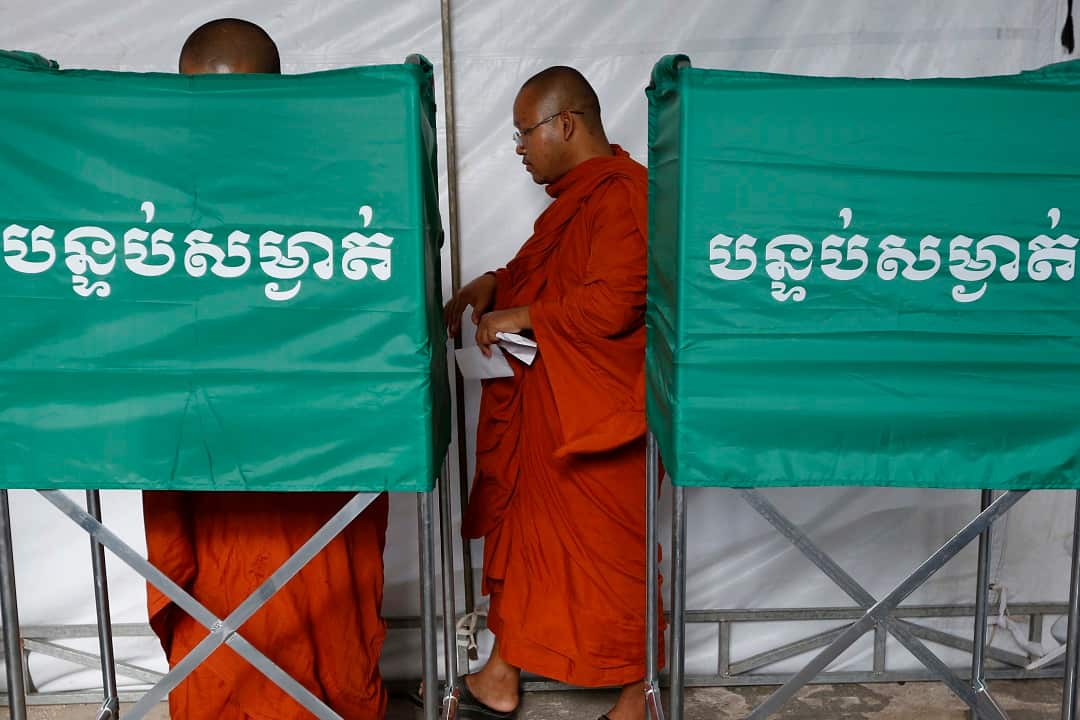
Critics say the election was a backward step for democracy in Cambodia following the dissolution last year of the main opposition Cambodian National Rescue Party (CNRP) and the jailing of its leader, Kem Sokha, on treason charges.
Former CNRP president Sam Rainsy, who lives in exile, said the election was a "hollow" victory for Hun Sen, a former Khmer Rouge commander who has ruled Cambodia for nearly 33 years.
The US has imposed visa curbs on some Cambodian government members over a crackdown on critics and levied sanctions in June on a high-ranking official close to Hun Sen.
The European Union has threatened Cambodia with economic sanctions.
White House Press Secretary Sarah Sanders said in a statement Sunday's vote "failed to represent the will of the Cambodian people".
The CNRP called on the international community to reject the result of the election.
"29 July 2018 marked the death of democracy in Cambodia, a dark new day in recent history," said CNRP vice president Mu Sochua.