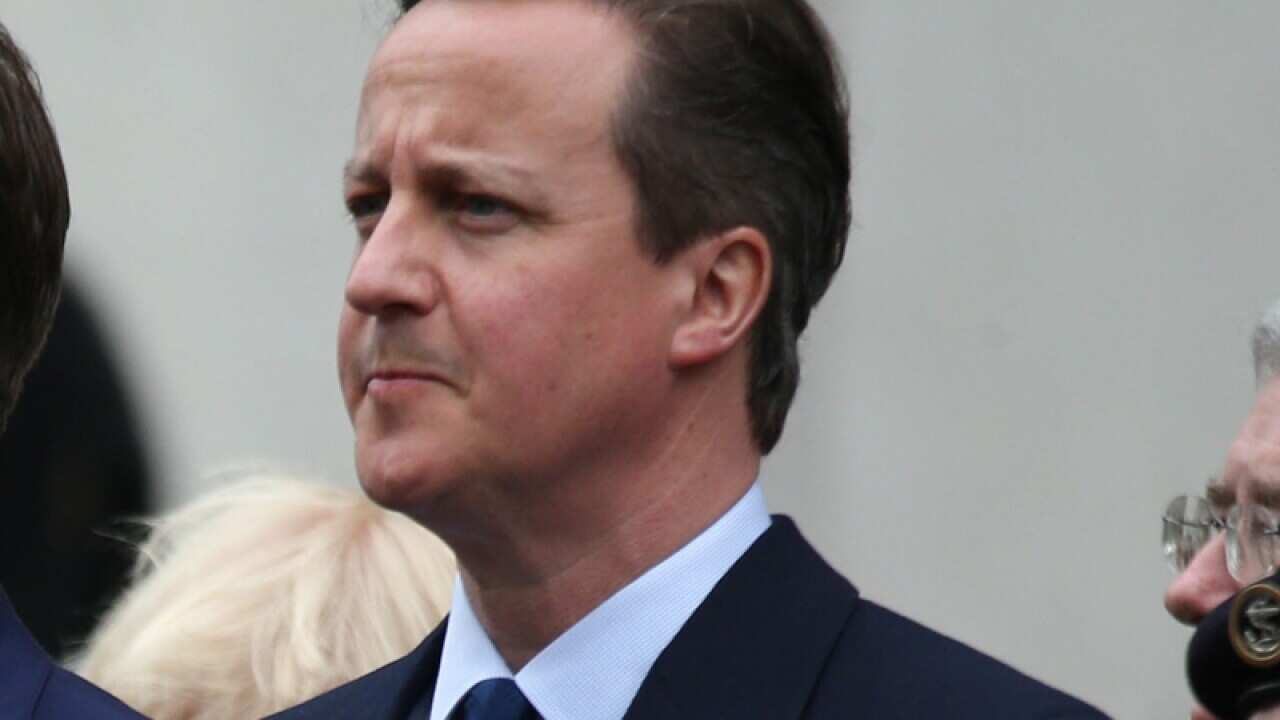
David Cameron will spend the weekend drawing up a list of ministers in his new government after the shock general election result returned him to the head of a Conservative majority.
The Prime Minister moved swiftly to put a stamp of continuity on his new administration by reappointing Chancellor George Osborne, Foreign Secretary Philip Hammond, Home Secretary Theresa May and Defence Secretary Michael Fallon to their old posts within hours of returning to 10 Downing Street.
He is expected to wait until Monday to complete his cabinet and finalise more junior ministerial posts over the coming week.
The Prime Minister has a greater scope for patronage among Conservative MPs now that he no longer has to make space in his cabinet for five Liberal Democrat MPs, as well as a dozen or more in the lower ministerial ranks.
Osborne's significance in the new administration has been reinforced by his appointment as First Secretary of State - the ranking cabinet minister and effectively number two to the PM.
The award of the title, previously held by William Hague, will fuel expectations that Cameron will not appoint a Deputy Prime Minister to replace Nick Clegg.
Having increased Conservative ranks at Westminster to 331, securing a 12-vote absolute majority in the Commons, Cameron will be preparing to push through his manifesto agenda in its entirety.
But he will be aware that he remains vulnerable to backbench Tory rebellions, which would only have to muster seven MPs to threaten him.
He must draw up a Queen's Speech for the State Opening of Parliament on May 27, which is likely to include measures to drive through the 30 billion pound austerity package.
The package includes 12 billion pounds of welfare cuts - which Osborne says is needed to eliminate the state deficit by 2017/18.
Cameron will also seek to press ahead with plans for the renegotiation of Britain's membership of the European Union in time for an in/out referendum in 2017.
Share


