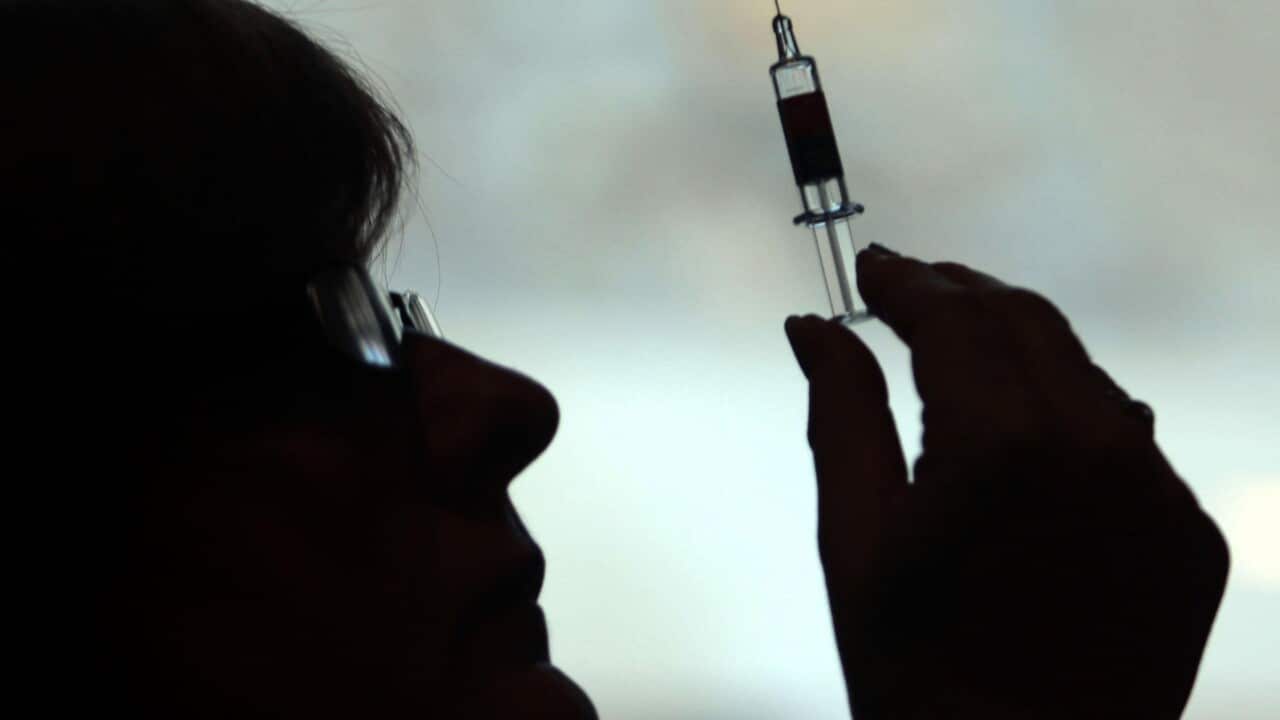
Up to 40 per cent of high school students may be missing doses of MMR (measles, mumps, rubella), NSW Health has reported.
The department launched the campaign in light of recent outbreaks and the growing number of students diagnosed with measles since 2010.
Two doses of MMR vaccine can provide life-long immunity for 99 per cent of people however, it is reported that up to 40 per cent of students are not fully immunised.
"Teenagers and young adults are at higher risk of measles because many of them missed one or both of their routine measles vaccinations as infants," said Dr Vicky Sheppeard, Director of Communicable Diseases at NSW Health.
"This also leaves them vulnerable to rubella and mumps, as immunisation against these three conditions is given via the combined MMR vaccine.”
The catch-up measles program will be rolled out in July and will target 140 schools mostly in Western and South-Western Sydney, where large outbreaks of measles occurred in 2011 and 2012.
Dr Sheppeard said children who aren’t from participating schools can receive a free MMR vaccine from their local GP.
Measles is a highly contagious disease among people who are not fully immunised, such as babies, recently returned travellers, people with a weak immune system, or migrants and refugees who have never been immunised.
"Measles is spread through coughing and sneezing, and is one of the most contagious infections known," said Dr Sheppeard.
"Complications can range from swelling of the brain and pneumonia to ear infections and diarrhoea."
One in 15 children with measles will develop pneumonia and one in 1,000 will develop encephalitis or brain inflammation, the department warned.
For every 10 children who develop measles encephalitis, one will die and many will have permanent brain damage.
Young travellers contribute to rise in NSW measles outbreaks
Although measles is largely eradicated in Australia, it can be reintroduced through unvaccinated travellers who have been exposed to measles overseas.
From January to April this year, 14 teenagers contracted measles while they were travelling overseas and reportedly brought the infection back into the country.
Since the beginning of the year, there have been 26 reported cases of measles, the Department reported. And in 2012, 169 measles notifications were linked to overseas cases.
“Many young adults have contracted measles while travelling overseas or have been infected by others who have brought it back into the country,” said Dr Sheppeard.
Off the back of these outbreaks, NSW Health have previously issued a statement urging Australians to stay up to date with their vaccinations.
The Department also warned travellers to get vaccinated before heading overseas.
"People returning from overseas, especially from the Philippines, should be on the lookout for symptoms of measles, which starts with a fever, cough, sore red eyes and a runny nose for several days before a blotchy rash appears," Dr Sheppeard said.
NSW Health said it will consider rolling out the MMR high school catch-up program across other schools in 2015 if the current program in western Sydney is successful.
How to prevent the spread of measles
If you notice any measles symptoms:
- Call your doctor immediately to arrange medical treatment
- Stay at home to prevent the spread of the disease
- Drink plenty of fluids and rest
Getting vaccinated
- NSW Health recommends two doses of MMR vaccine (measles, mumps & rubella)
- Vaccinate children at 12 months, and then again at 18 months
- Anyone born in 1966 who has never been vaccinated needs to see their GP to receive two doses of measles, at least four weeks apart.
- It’s safe to be vaccinated more than twice, so if you’re unsure, you can get vaccinated again to avoid getting measles.
Share


