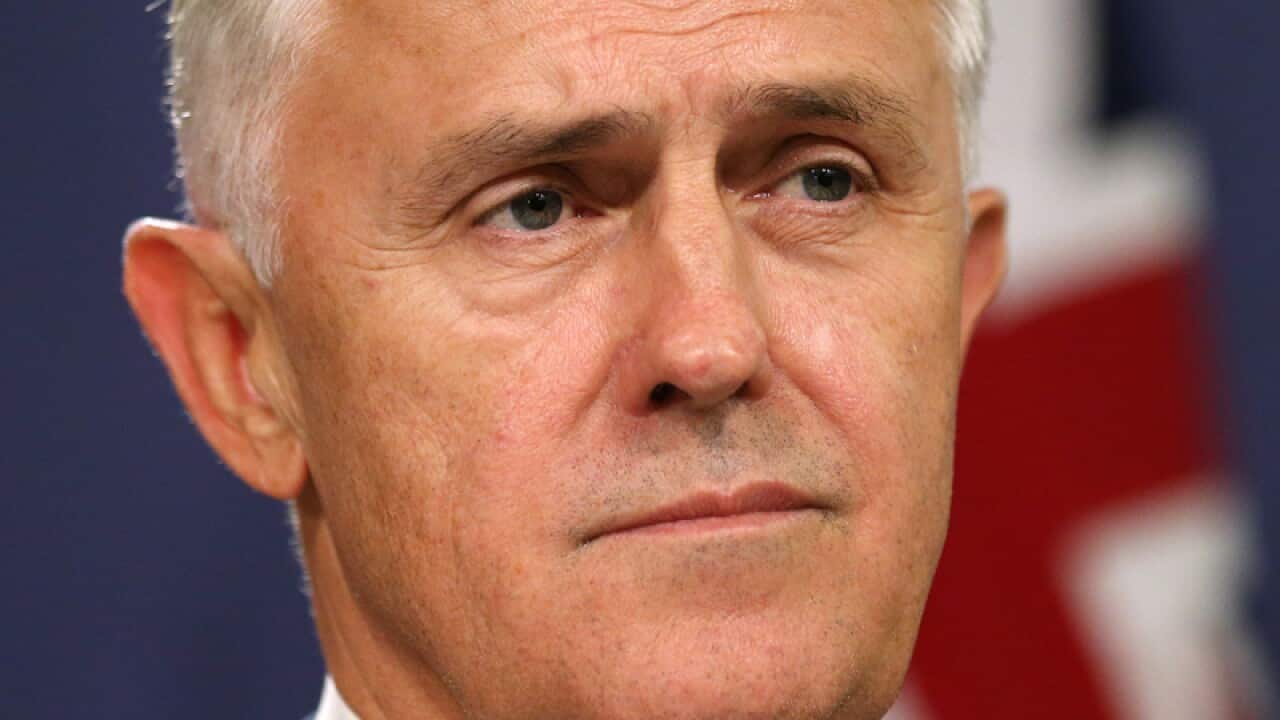
An early election has become a more likely prospect as Malcolm Turnbull pushes ahead with Senate voting changes.
MPs and senators returned to Canberra on Monday for a fortnight of parliament sittings abuzz with talk of a double-dissolution election being called just after the May budget.
There were fears an election of the full Senate under the existing voting system could deliver more crossbenchers into the upper house, making it harder for a re-elected coalition government to pass its laws.
The government introduced a bill to parliament on Monday allowing voters to cast preferences above the line on the Senate ballot paper and get rid of group voting tickets, which are the result of parties doing backroom deals on preferences.
Mr Turnbull said it would put greater power in the hands of voters.
News that makes sense
Your trusted source for staying up-to-date with the world around you. Get free daily news updates and analysis, straight to your inbox.
Seeking to link it to his innovation, jobs and growth agenda, he added: "It will also be an important economic reform because it goes to the governance of Australia ... the strength of our democracy."
Mr Turnbull has been seeking to articulate his economic message but voters have been shaken by recent ministerial scandals and confusion over tax reform.
The latest Newspoll, published in The Australian on Monday, showed Labor and the coalition tied at 50-50 in two-party preferred terms.
The coalition's primary vote has slumped three points to 43 per cent since January, the lowest level since Tony Abbott was ousted by Malcolm Turnbull in September.
Mr Turnbull remains preferred prime minister with a 55-21 per cent lead over Labor leader Bill Shorten.
Mr Shorten said voters were becoming aware that Mr Turnbull is "all talk and no action" after almost six months of lost opportunities for reform.
"Labor's now starting to tick the boxes of being an alternative government," he told reporters in Canberra.
The leaders traded blows in parliament over Labor's policy of limiting access to negative gearing and capital gains concessions.
"Increasing capital gains tax is not part of our thinking whatsoever," Mr Turnbull said, just weeks after ruling out a rise in the GST rate.







