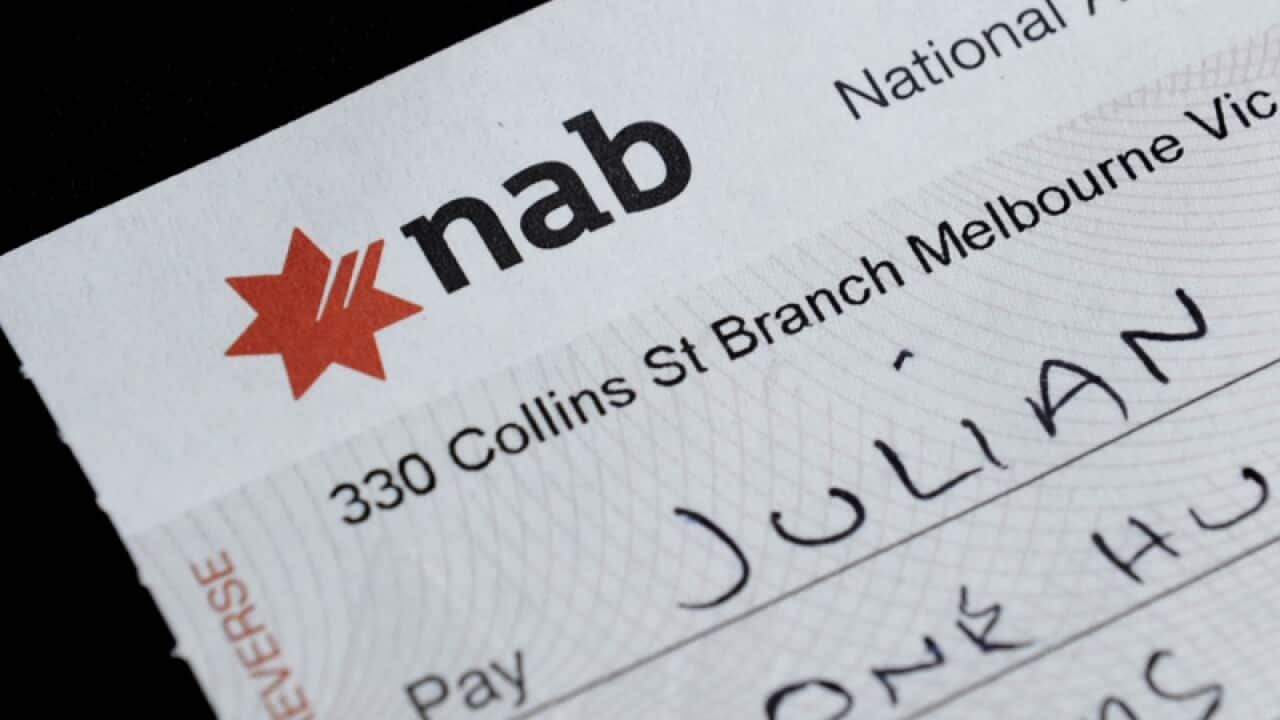
The cheque may no longer be in the mail.
The use of cheques reached its peak in 1995 but since then it has declined 80 per cent.
The chief executive of the payments industry's self-regulatory body Chris Hamilton says cheques will be a rarity in four years time.
His body is charged with making sure there is a smooth transition to electronic payment alternatives from the option of paying by cheque.
Mr Hamilton said it was important to educate the public that a lot more businesses aren't accepting cheques anymore.
The hardest step was developing electronic alternatives for payments that were traditionally done by cheque such as putting a deposit on a home, or for smaller business and legal firms.
Mr Hamilton said there are surprisingly few transactions where paying electronically is not a viable option.
"Often when people say when the cheque is the convenient option, they aren't aware of the other options," he said.
"There's nothing wrong with that and it's not going away any time soon, it's just that there are smaller and smaller pockets of usage.
The government has no plans to phase out or discourage the use of cheques, believing it is a decision for consumers and businesses.
The UK had intended to phase out the use of cheques by 2018 but that was scrapped when it was found that a lot of businesses and charities still use them.
Reserve Bank of Australia governor Glenn Stevens told the Australian Payments Clearing Association (APCA) on Thursday that the decline in the use of cheques is one that the private and public sector will have to manage.
Innovation would lead to further growth in electronic payments, reducing costs for banks and maintaining their relevance, he said.
A study conducted by the APCA found that 25 per cent of consumers still use cheques to some degree, with a third of those only writing one fewer than four times a year.
Of those who made a payment by cheque, 48 per cent were over 60 years old but only seven per cent were aged between 18 and 30.
Businesses are the other big users of cheques, using them to pay for real estate transactions, dividend payments, as well as insurance, legal and accounting fees.
Cheques are still used for payments by governments, but that is changing quickly.
Mr Stevens said that government departments and agencies are increasingly not wanting to pay by cheque.
"There is very strong interest in the government customers that the Reserve Bank itself services to get efficiency gains and to take full advantage of electronic payments," he said.
Share


