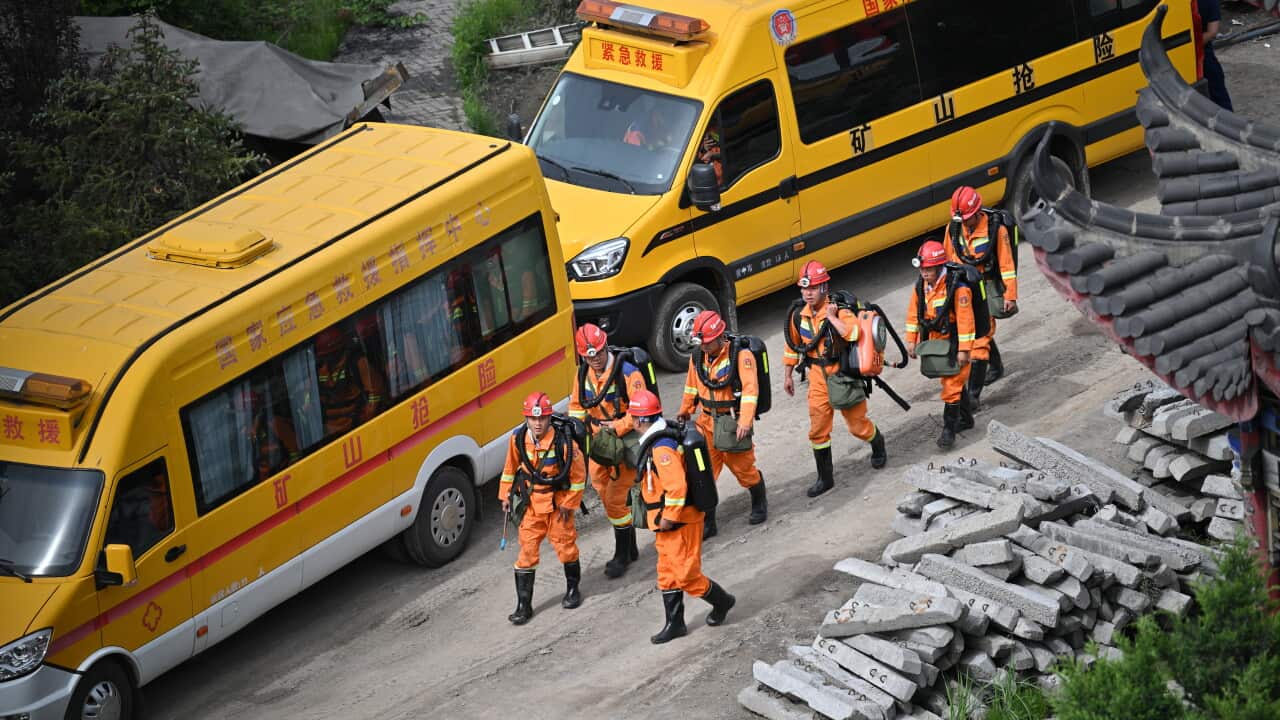
As emergency rescuers undertook a major rescue operation after Saturday's mining accident that killed at least 82 people in northern China, a wounded survivor said he heard no sound but smelled sulphur when the explosion happened.
"I didn't hear any sound at all, but then a cloud of smoke appeared," miner Wang Yong said.
"When I smelled it, it was the smell of sulphur like when people set off firecrackers. When the smoke came down, I shouted for people to run," he said.
He recalled seeing people choked by the smoke before he fainted.
"After more than an hour, I came to on my own, and then I woke up the person next to me" and got out, he told Chinese broadcaster CCTV.
News that makes sense
Your trusted source for staying up-to-date with the world around you. Get free daily news updates and analysis, straight to your inbox.
The blast at the Liushenyu shaft in Shanxi province was the country's worst mining disaster in nearly two decades, with 247 workers underground at the time, according to Chinese media.
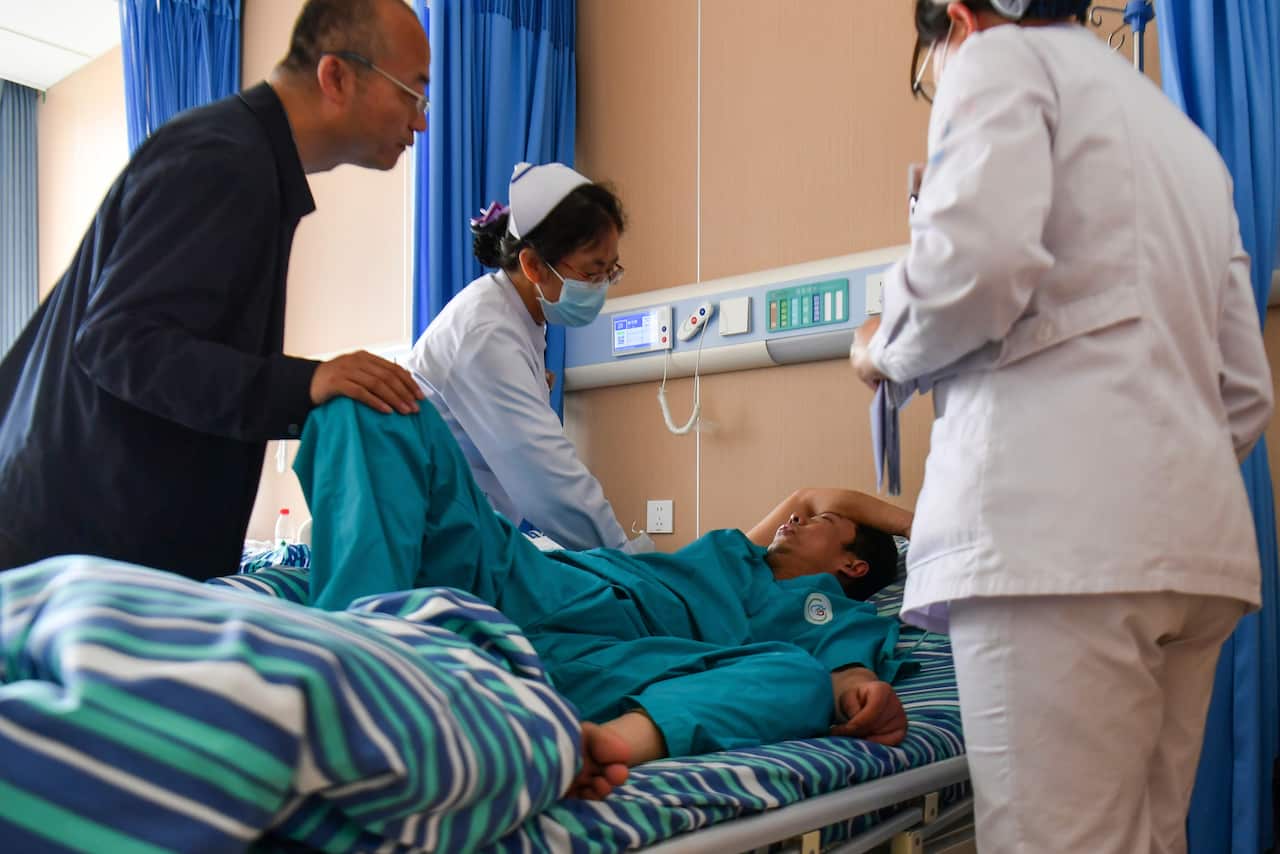
Hundreds of rescuers have rushed to the site, with medical teams taking 128 people to the hospital as of Saturday evening (local time), loaded into ambulances and carried on stretchers. Two people still remain missing.
Agence France-Presse journalists saw police blocking the road leading to the mine late Saturday, allowing only authorised vehicles to enter.
Helmeted rescuers took turns descending into the shaft overnight to look for the two missing workers, state media reported.
"As long as there is hope, we will make every possible effort," one rescuer told Xinhua news agency.
Chinese authorities launched an investigation into the blast, the worst since 2009 when 108 people were killed in a mine explosion in northeastern Heilongjiang province.
Preliminary findings showed the company operating the mine had committed "serious illegal violations", authorities told a press conference.
"Those found responsible will be severely punished in accordance with laws and regulations," they added.
A person "responsible for" the company involved had been "placed under control in accordance with the law", Xinhua reported.
The State Council, China's cabinet, ordered nationwide "tough crackdowns on illegal and unlawful activities", including the falsification of safety data, unclear headcounts of underground workers and illegal contracting.
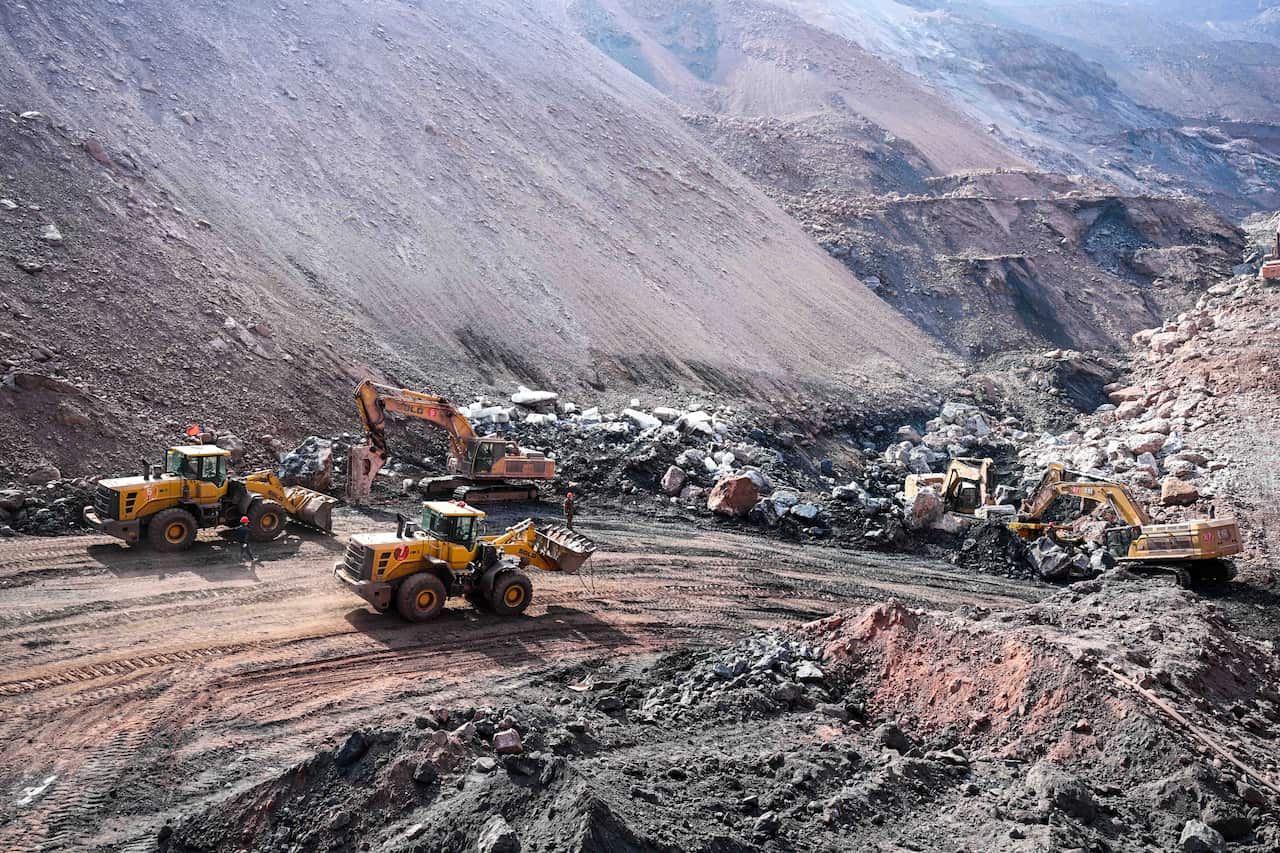
Shanxi, one of China's poorer provinces, is the centre of the country's coal-mining industry.
Mine safety in China has improved in recent decades, but accidents still occur in an industry where safety protocols are often lax and regulations are vague.
In 2023, a collapse at an open-pit coal mine in the northern Inner Mongolia region killed 53 people.
China is the world's top consumer of coal and the largest greenhouse gas emitter, despite installing renewable energy capacity at record speed.
Quiet Chinese county hit by disaster
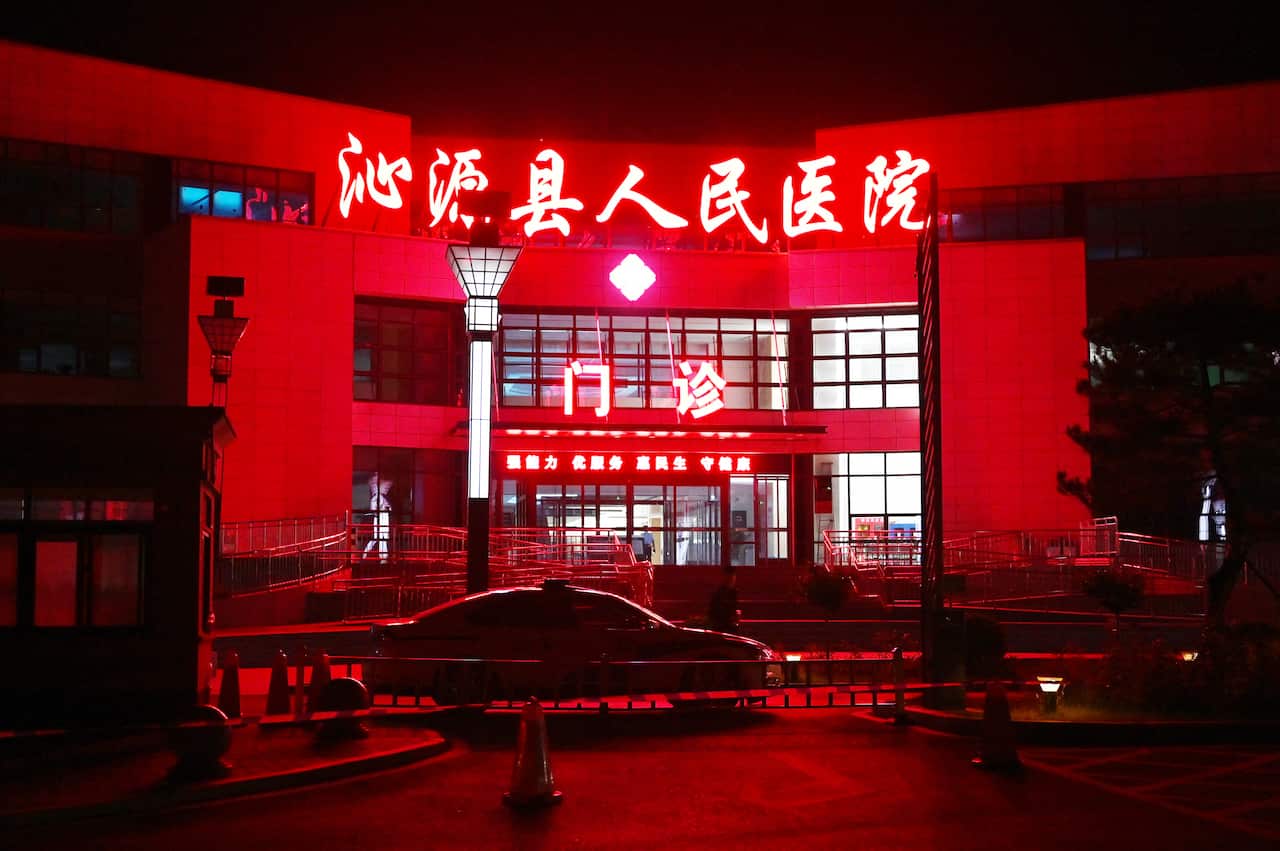
Coal miners in the sleepy Chinese county of Qinyuan sometimes dine at Zhang's skewer eatery, especially on payday, and the accident has left her feeling sorrow for their bereaved families.
"This is the first time such a big accident has happened here," Zhang, who only wanted to be known by her surname, told AFP.
Many of these men were their families' main source of income, she said.
"Think about it. He's at that age where he has both elderly parents and young children to support. Then he works in the coal mine, goes down the shaft and never comes back up," Zhang added.
"How are they supposed to go on living?"
Qinyuan county is peppered with coal mines, and outside one an electronic sign reads: "Go to work happy, go home safely."
Zhang, grilling meat skewers on a stove, said she had that same wish: for the missing miners to be found safe and sound.
Even if the pay was good, coal miners were "basically earning money with their lives at risk", she lamented.
She expressed hope that authorities would do all they could to prevent accidents like this and increase mine safety.
Zhang said she feels for families who lost loved ones in the mine explosion.
"He is also someone's son, someone's father, someone's husband."
For the latest from SBS News, download our app and subscribe to our newsletter.







