In Brief
- A rally in Sydney will mark the 40-year anniversary of the Chernobyl nuclear disaster.
- The rally aims to highlight ongoing nuclear risks in Ukraine, with warnings over attacks on current nuclear facilities.
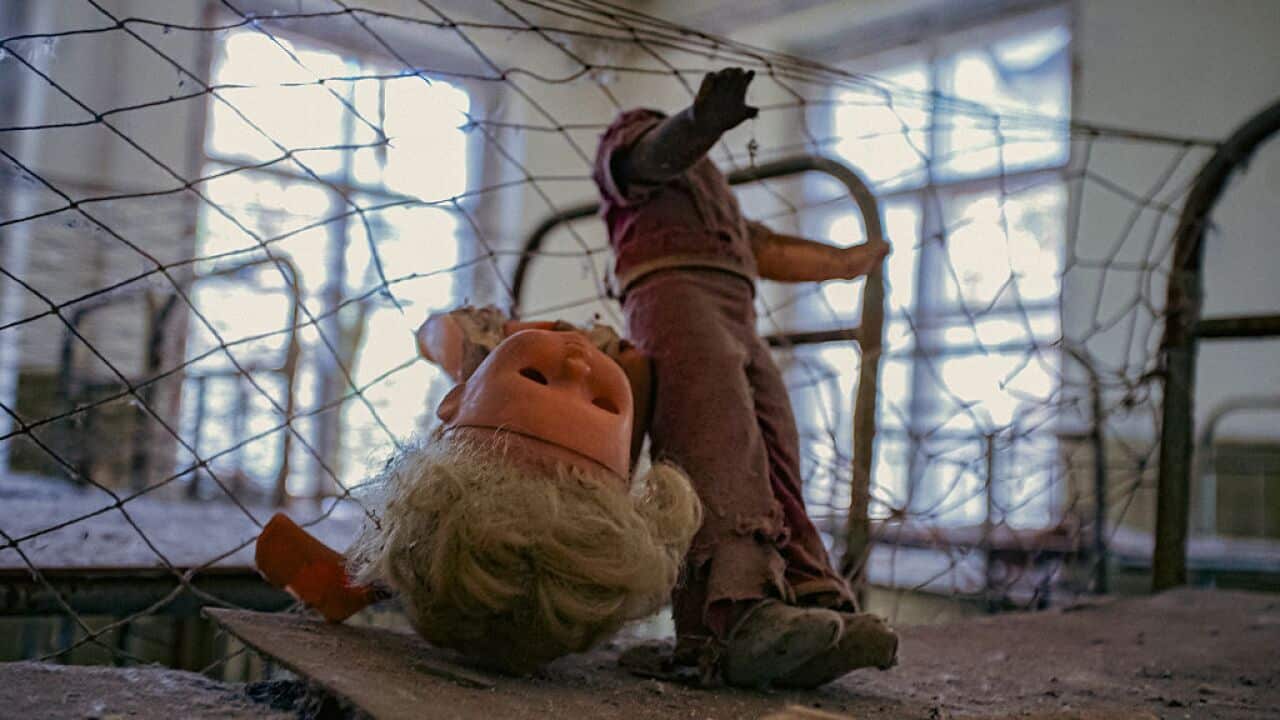
On 26 April 1986, an explosion at the Chernobyl nuclear power plant in Ukraine triggered what the United Nations has described as the most severe nuclear accident in history.
The catastrophe, whose consequences are still unfolding 40 years later, affected more than 3.5 million people and contaminated nearly 50,000 square kilometres of land.
Four decades on, the anniversary is being marked in countries around the world, including in Australia, where survivors and community members are reflecting on what happened, and what the event means in a modern context.
What happened on 26 April 1986?
In the early hours of that morning, reactor number four at the Chernobyl nuclear power plant exploded during a test.
News that makes sense
Your trusted source for staying up-to-date with the world around you. Get free daily news updates and analysis, straight to your inbox.
The experiment, believed to have been carried out in violation of safety protocols, was intended to simulate a power outage. Instead, it exposed a dangerous instability inside the reactor.
According to the World Nuclear Association, the event was the result of a flawed reactor design that was operated with inadequately trained personnel.
As cooling systems reduced, water inside the reactor turned to steam, building extreme pressure.
Within moments, the explosion blew apart the reactor, sending radioactive material into the atmosphere and igniting a fire that burned uncontrollably.
There are reports the blast was so powerful it lifted a 1,000-ton steel lid off the reactor.
A disaster concealed from the world
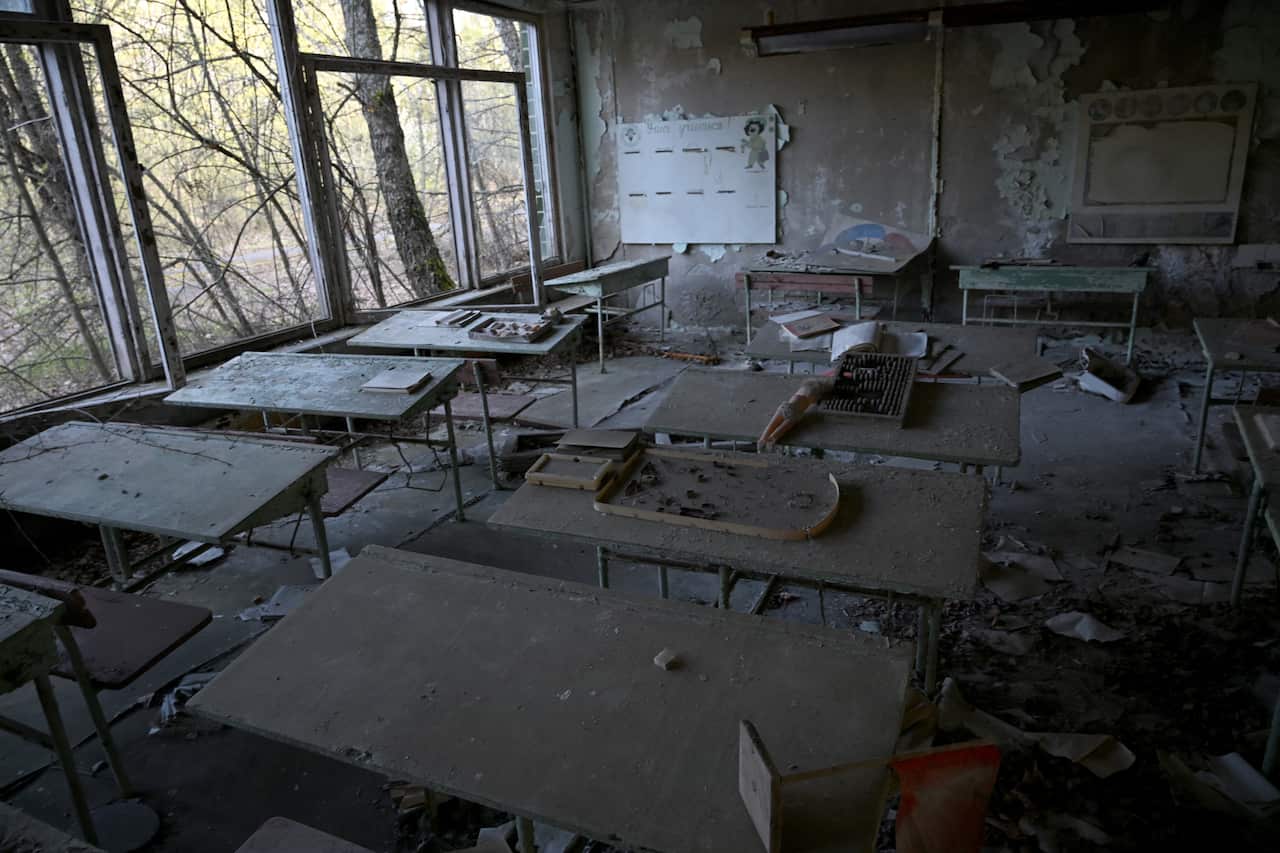
It is widely reported that Soviet authorities remained silent in the days that followed.
Dr Matthew Sussex from the Australian National Universities Centre for European Studies told SBS News that despite the scale of the explosion, there is no record of immediate public warning, even as radioactive material spread across Europe.
The disaster only became widely known after monitoring stations in other countries detected abnormal radiation levels, and demanded answers.
Sussex describes the Soviet Union’s handling of the incident as a "sclerotic, slow, very rigid management structure".
"There was disbelief that there was actually a problem, which made the response very slow in the first place. And then there was an attempt to basically fix it by throwing human lives at it," he said.
This secrecy has been widely criticised in the years since, for exposing millions of people to unnecessary risk.
Sussex told SBS News that the incident has also shaped public perceptions in the west, driving fear around nuclear power and the capacity for radiation to do ‘terrible harm" when mismanaged.
A global impact that still lingers
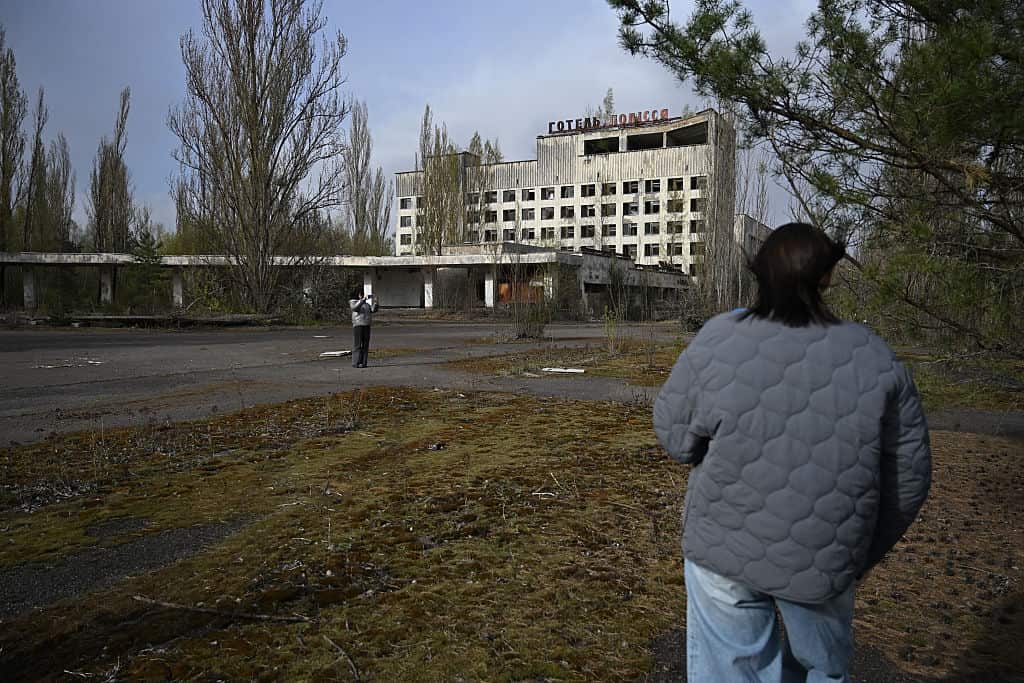
The radioactive fallout of Chernobyl reportedly spread far beyond Ukraine, reaching multiple European countries.
In some regions, food production was restricted for years. In others, health impacts, particularly among children, are reportedly still be being felt.
Sussex says Chernobyl is still considered the worst nuclear accident in history and today has a ubiquitous legacy in the region.
"It was also probably instrumental in contributing to the view that all things weren’t rosy with the USSR.
"The fact that this mistake got out to an international audience put pressure on that regime. The perception that the USSR wasn’t able to responsibly handle nuclear power definitely contributed to that initial silence, and a fear of bad news getting out," Sussex said.
The USSR (Union of Soviet Socialist Republics), or Soviet Union, was a vast, centralised communist state that existed from 1922 to 1991. It comprised Russia and 14 other Soviet Republics, including Ukraine.
Anton Bogdanovych of Ukrainians in Sydney told SBS News that the event led to the collapse of the entire regime, inciting a "complete lack of respect and mistrust" for the government at the time.
"We were just so angry that we were not told that they ran this dangerous experiment, that they violated all the safety concerns… We completely lost faith in authority," he said.
Ongoing health impacts
Bogdanovych said the secrecy cost many people their lives, and resulted in the development of unnecessary long-term health repercussions.
"Days after the explosion, my whole family went for a barbeque and I remember my mother started to feel really sick, she was gasping for air and struggling to breathe. We had to pack up and leave.
"It wasn’t a great time, we found out much later what had happened," Bogdanovych said.
He labelled the handling of the incident as "deadly" and said several family members suffered ongoing health issues as a result of the lack of precautions at the time.
“It could have been avoided had people just been given the correct advice: wear protective gear, seal your windows, don’t go outside,” Bogdanovych said.
The exclusion zone
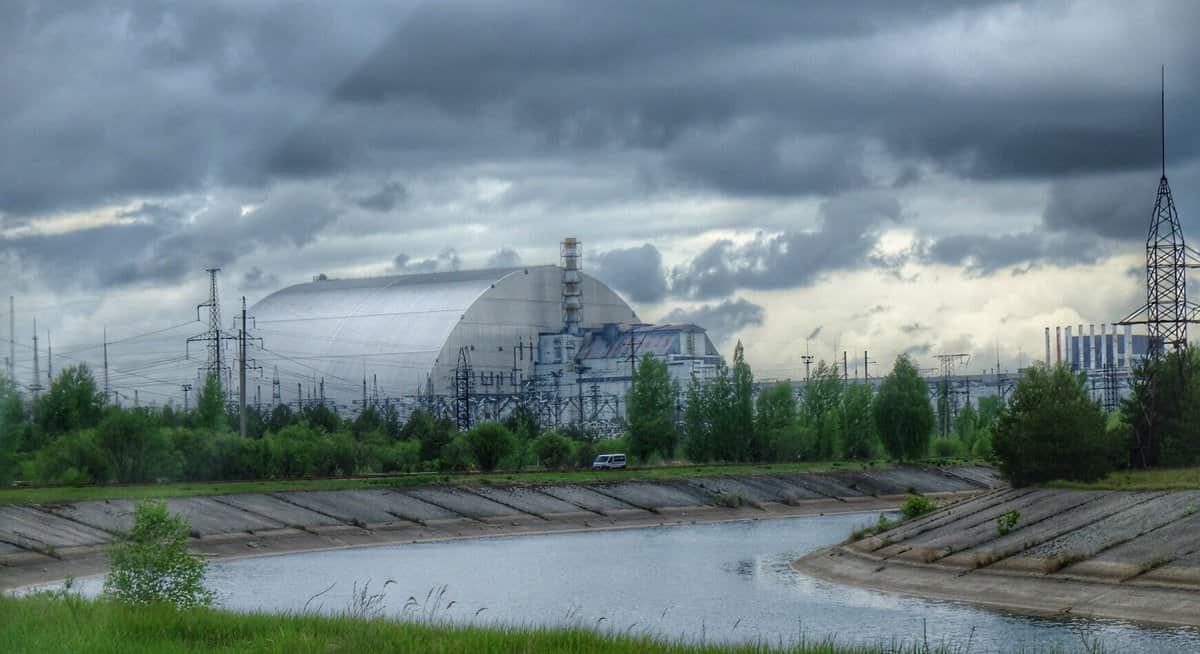
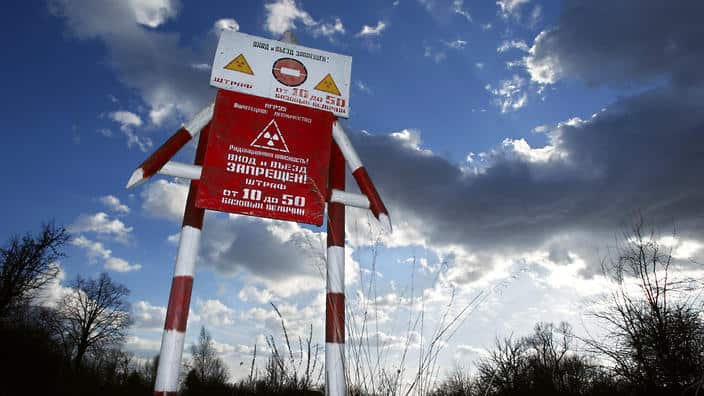
Much of the area around the plant was abandoned in the aftermath, forming what is now known as the exclusion zone.
Some 350,000 people were evacuated as a result of the accident.
Bogdanovych says the largely deserted zone is today a place of contradiction, with a high volume of visits by tourists.
Radiation levels in many parts are believed to be low enough for short stays, but vast amounts of radioactive material remain inside the reactor.
The site itself is covered by a steel structure known as the New Safe Confinement, completed in 2016 and designed to contain radiation for decades.
Bogdanovych told SBS News that this infrastructure has since been damaged by Russian strikes.
How survivors will mark the occasion
For many, the story of Chernobyl is not just historical; it is deeply personal.
Bogdanovych says survivors and those who lived through the disaster continue to carry its physical and psychological impacts.
In Australia, members of the Ukrainian community are marking the anniversary with a rally in Sydney.
“It is a global campaign, and our objective first is to remind the world what happened, how many people suffered because of this totalitarian regime which refused to tell people the truth.
“What we want is for the whole world to realise that they must be very tough on nuclear blackmail, there should be immediate ... consequences for that,” Bogdanovych said.
The event will feature a theatrical performance and tributes to those who risked their lives in the immediate aftermath, including three men who drained a water pool beneath the reactor to prevent an even larger explosion.
The event organisers say their actions are widely credited with averting a catastrophe that could have killed millions more.
“Half of Europe would have been uninhabitable, wiped off, had they not done that … They protected Europe from a much bigger disaster,” Bogdanovych said
Why Chernobyl still matters today
Forty years on, Chernobyl remains a symbol of both technological failure and political secrecy.
Sussex said it is particularly relevant in light of the Russian government threatening nuclear power infrastructure.
“It is something that is potentially used for nuclear signalling … They’ve talked about nuclear accidents in the current war in Ukraine,” he said.
Organisers of this weekend’s Sydney rally say the anniversary is also a reminder of ongoing nuclear risks.
Bogdanovych said the rally was an opportunity to highlight current threats to nuclear safety in Ukraine, including attacks on nuclear facilities.
There are particular concerns around the Zaporizhzhia power plant in the country's southeast, which is the largest nuclear power plant in Europe.
“We just want the world to understand the dangers," he said.
For the latest from SBS News, download our app and subscribe to our newsletter.







