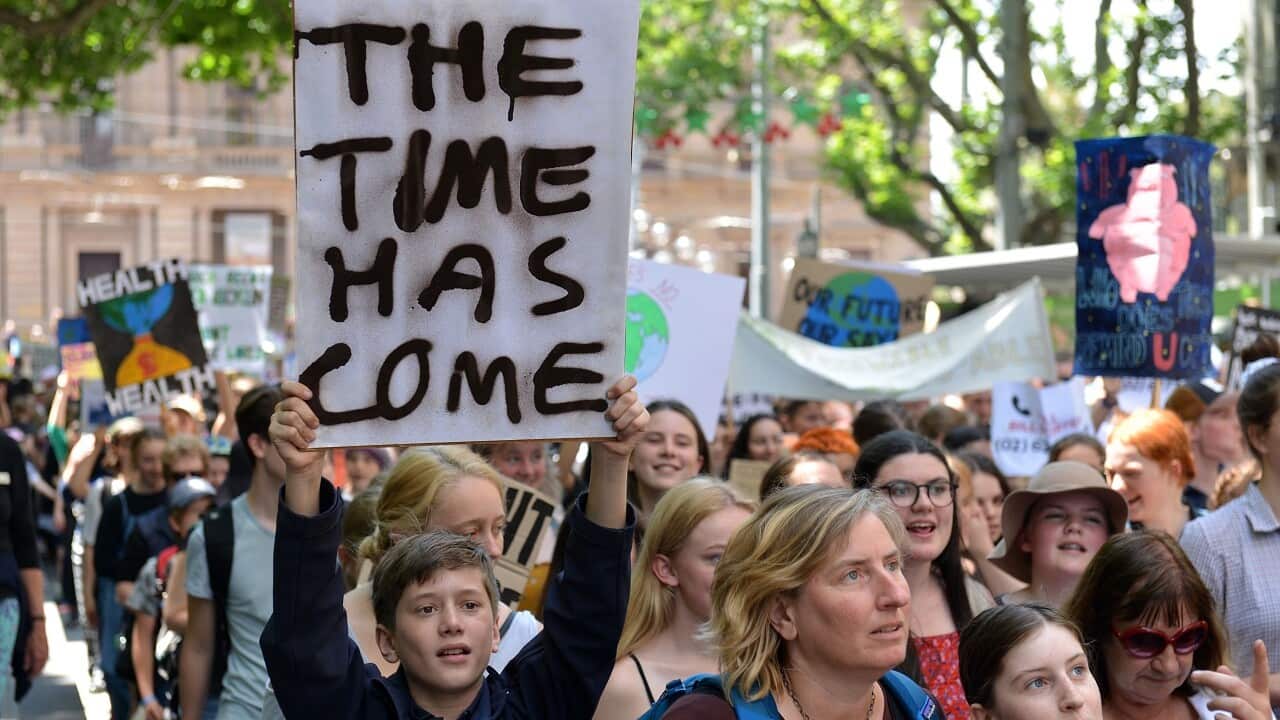
Climate change presents a $4 trillion risk to the Australian economy, according to a new study.
On Thursday, the Climate Council released a report which found there are "few forces affecting the Australian economy that can match the scale, persistence and systemic risk associated with climate change".
"Detailed new modelling, based on the federal government's current approach to climate change, finds that the economic damage to Australia's property and agricultural sectors will be very significant," the report said.
News that makes sense
Your trusted source for staying up-to-date with the world around you. Get free daily news updates and analysis, straight to your inbox.
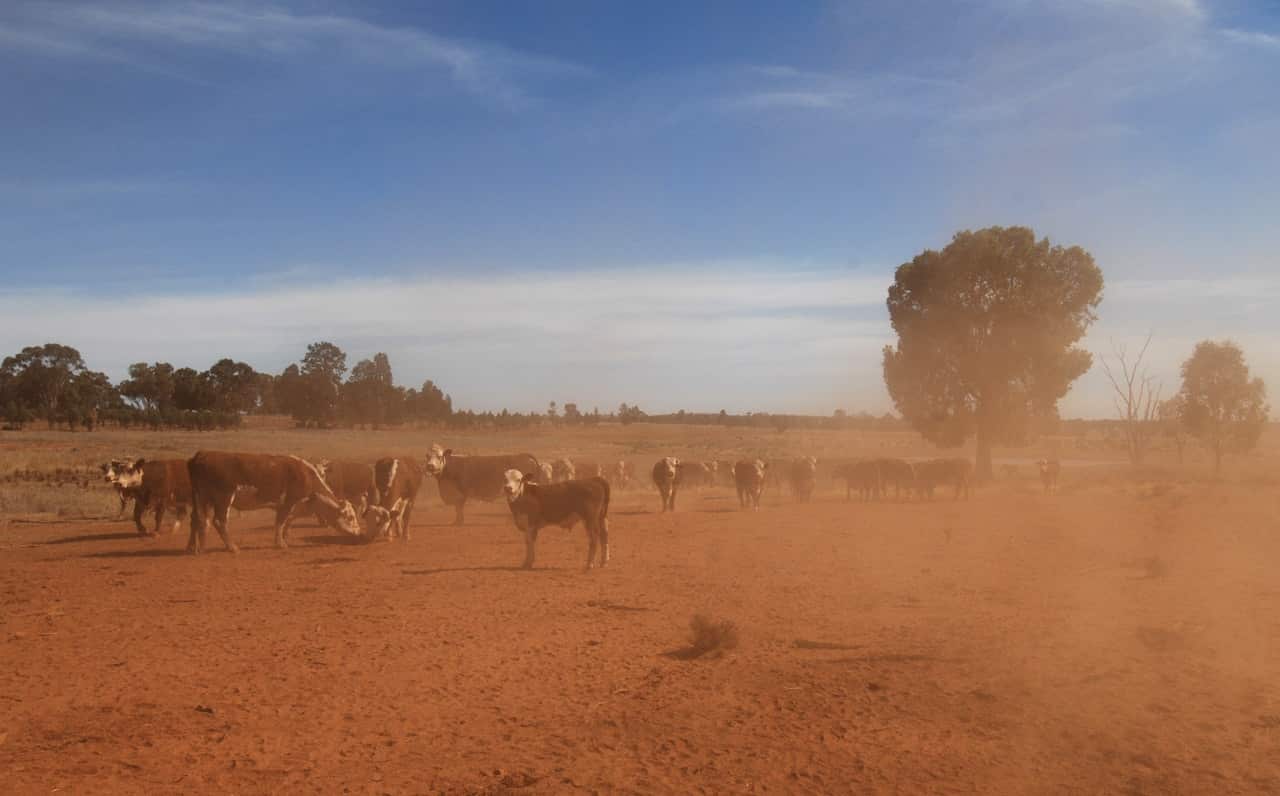
It found on current trends, the accumulated loss of wealth due to reduced agricultural productivity and labour productivity as a result of climate change is projected to exceed $19 billion by 2030, $211 billion by 2050 and $4 trillion by 2100.
In a statement, report author and University of Melbourne economist Tom Kompas said, "this is not a trivial figure - it is more than double Australia's current gross domestic product".
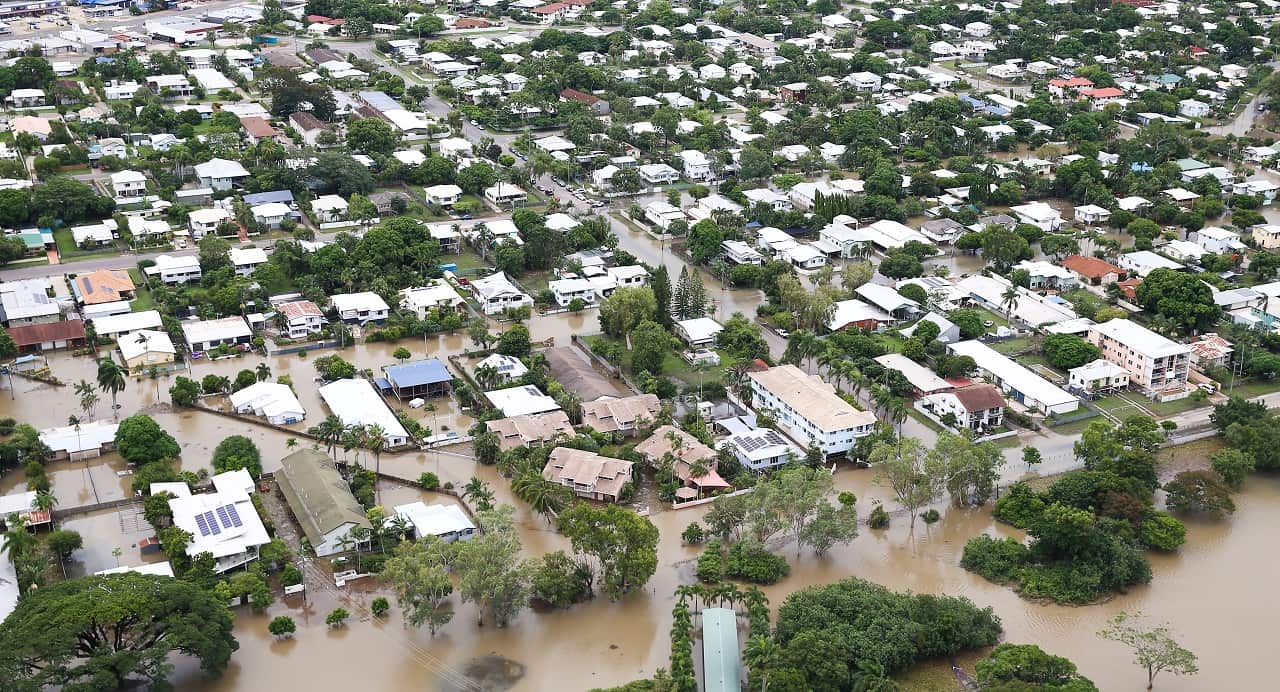
And the property market was projected to lose $571 billion in value by 2030 as a result of climate change and extreme weather.
Fellow report author and climate risk expert Dr Karl Mallon said Queensland would he hardest hit.
"Queensland is on the frontline of climate change impacts in Australia and the Gold Coast, Ipswich and the Sunshine Coast local government areas have been identified as amongst highest risk to extreme weather and climate change because they are very exposed to flooding and coastal inundation," he said in a statement.
Dr Mallon also suggested that, on current trends, one in every 19 property owners would face the prospect of "effectively un-affordable" home insurance premiums by 2030.
The report urged governments to act quickly.
"The federal government must implement credible climate policies that set us on a course for net zero emissions before 2050," the report said.
The Coalition government wants to reduce carbon emissions by at least 26 per cent by 2030, although it plans to use credits from exceeding Australia's Kyoto commitments.
Prime Minister Scott Morrison has consistently defended the government's climate change plans.
"The question here at this election is not 'should we be taking action on climate change', that is agreed," he said during Wednesday night's leader' debate.
"The question here is: what is a responsible approach to take."
If elected, Labor Party has said it will strengthen Australia's 2030 target to 45 per cent and plans not to use carry-over credits.
Who’s running in your electorate? Check out our interactive map
Additional reporting: AAP







