Families trying to stay warm in the cold weather have caused eight house fires in NSW overnight, prompting a stern warning from fire authorities.
Fire and Rescue NSW says eight people have been taken to hospital after numerous incidents where power-boards overloaded, fire escaped from fireplaces and in one case, outdoor cooking equipment was used to heat the home.
"Always keep everything a metre from the heater," said F&R NSW Superintendent Ian Krimmer in Sydney on Saturday afternoon.
"Don't, under any circumstances, bring outdoor equipment into the home, they produce deadly carbon monoxide gas."
Residential fires are most common during cold weather, he said.
News that makes sense
Your trusted source for staying up-to-date with the world around you. Get free daily news updates and analysis, straight to your inbox.
As cold snap sweeps through two-thirds of Australia, fire authorities are bracing for more calls over house fires caused by the unsafe use of heaters indoors.
NSW Fire and Rescue Superintendent Ian Krimmer said with cold snap driving down temperatures, the unsafe use of heating equipment has seen authorities respond to 11 house fires.
NSW Fire and Rescue is urging residents to check their smoke alarms and avoid bringing in outdoor heating equipment inside the home.
"We are seeing people use home-made heaters, such as terracotta pots bolted together and placed on top of butane gas cookers, indoors," Chief Superintendent Chris Lewis said.
"These types of make-shift heating devices not only put you at great risk of carbon monoxide poisoning but also starting a fire in your home."
Authorities advise taking these steps to reduce the risk of house fires:
- Keep looking when cooking
- Clean out the clothes dryer filter after every load
- Keep clothing and other flammable materials at least one metre from heaters
- Do not overload power points and powerboards
- Always turn off heating and electric appliances when leaving the home or going to bed.
- Regularly inspect powerboards and electrical leads for signs of damage and degradation, and for dust.
- Ensure you have a working smoke alarm and a practised home escape plan.
- If a fire does occur, get out, stay out and call Triple Zero (000)
'Antarctic vortex' hits two-thirds of Australia
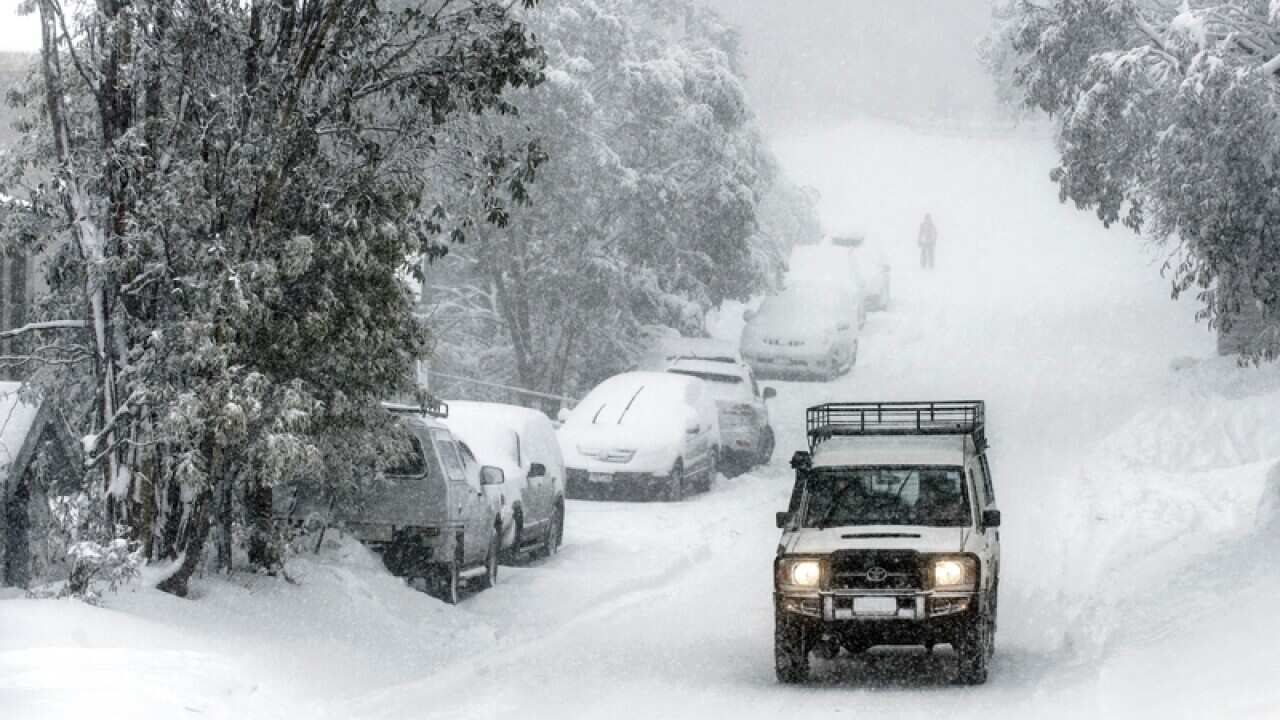
A strong surge of sub-Anatarctic air is travelling across Austraila and is expected to affect two-thirds of the country, in the southern and eastern regions.
Nicknamed the "Antarctic vortex", the cold weather is forecast to be the worst in six decades, bringing with it icy conditions and natural snowfalls.
Emergency services are warning people travelling on the roads or participating in outdoor activities to take plan ahead as some resorts are expected to get over 50cm of snow.
NSW SES Commissioner Adam Dent said that people should prepare for possible power outages and take extra preparations if snow is forecast for their area.
Temperatures in Brisbane over the coming days are set to dip up to five degrees below the July average and snow flakes are expected to fall at Eukey near the NSW border.
Brisbane is set to shiver through its coldest day of the year on Monday, with a maximum of 15C and minimum of 6C forecast.
People in NSW and the ACT are being warned to brace for damaging winds over the weekend, with the Snowy Mountains set to be hit with blizzard conditions.
Blizzard conditions and winds in excess of 90 kilometres an hour are expected to develop in the Snowy Mountains today, with Alpine Peaks potentially experiencing wind gusts of around 125 kilometres an hour.
There will be more damaging winds tomorrow with peak gusts of more than 90 kilometres an hour in the Illawarra, Central Tablelands, the Hunter, Southern Tablelands, Australian Capital Territory and Snowy Mountains.
A strong cold front is hitting Victoria today, with possible thunderstorms, hail and snow.
By tomorrow morning temperatures in Melbourne are expected to dip to five degrees, with a top of 11, with forecasters projecting the city will be the second coldest capital in the country after Canberra.
Snow is possible in some of Melbourne's outer suburbs and is forecast to fall down to 500 metres in alpine areas.
- with AAP







