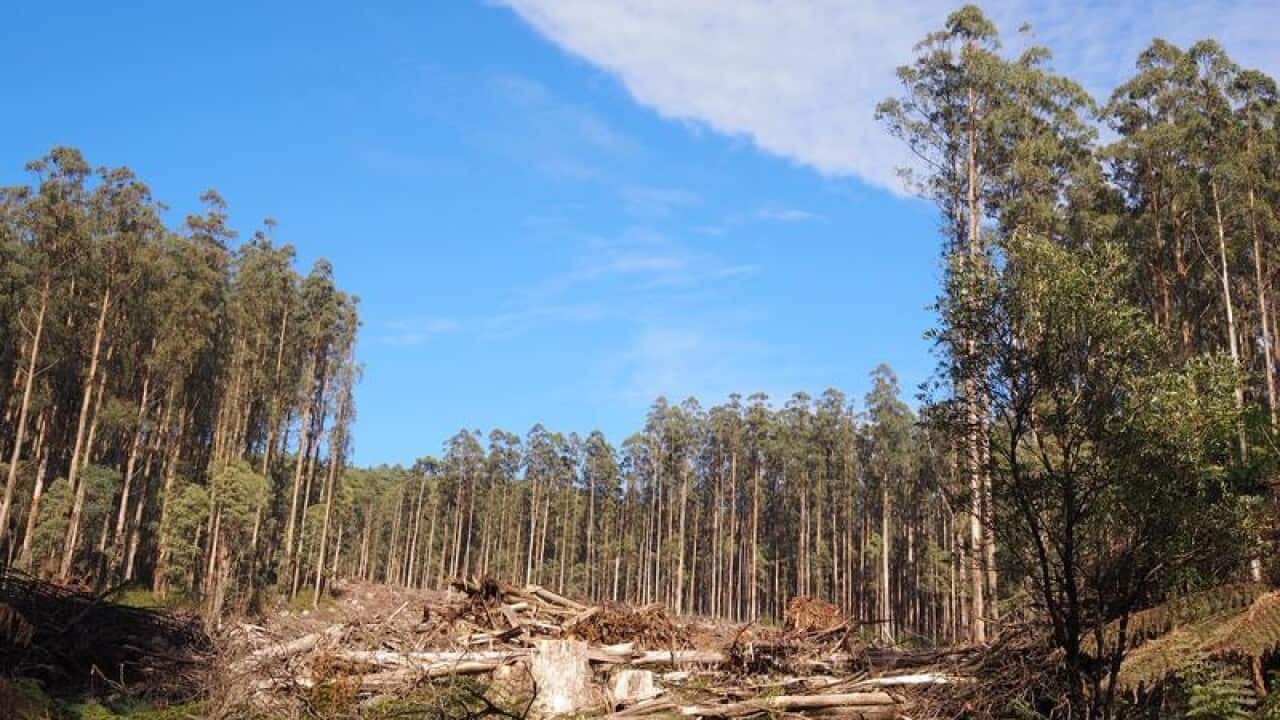
A vital forest in Victoria's central highlands is facing imminent collapse, posing a major threat to Melbourne's water supply, a landmark study says.
The study by the Australian National University has found the state's Mountain Ash forest is on the verge of collapse as result of logging activities and bushfires.
Lead researcher Professor David Lindenmayer says the forest generates nearly all of the water for Melbourne.
The study reveals about half of the forest's large, old trees have been lost in the past two decades and animal populations have similarly declined.
News that makes sense
Your trusted source for staying up-to-date with the world around you. Get free daily news updates and analysis, straight to your inbox.
"Wildfires and over-logging have tipped the Mountain Ash forest very close to collapse," Prof Lindenmayer said.
"If we don't act quickly to turn this dire situation around, we will have a crisis on our hands."
The vast forest catches rainwater in its soil, filters and releases it into the streams, creeks and rivers that feed the reservoirs that store Melbourne's drinking water.
The forest's imminent collapse has been marked by changes to the condition of the ecosystem, particularly the rapid decline in populations of important plants and animals, researchers say.
Based on 35 years of research, the study found populations of the Leadbeater's Possum, the Greater Glider and some other marsupials had dropped by 50 per cent or more.
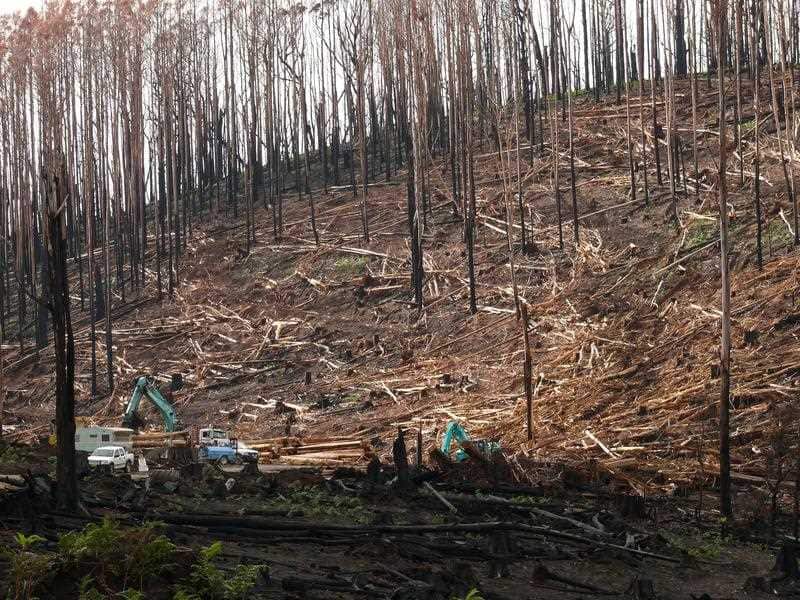
If collapse did occur, Acacia shrubs would like replace the Mountain Ash trees as the dominant plant species, resulting in a vast change in the ecosystem.
Prof Lindenmayer said disaster could be avoided by putting better forest policies in place and having a renewed political focus on saving the trees.
He said it will take take 50 years to replace the trees that have already been lost to fire and logging, and those that remain must be protected.
Prof Lindenmayer said the Mountain Ash forest is not only the foundation of Melbourne's water supply, but also stores biomass carbon and supports timber and tourism industries.
"We urgently need major changes to forest policy to rectify this situation, especially greater protection for large old trees," he said.
The study is published in the scientific journal PNAS.







