The Finnish capital Helsinki this week announced a massive transformation of its public transport system.
The city intends to fundamentally shift the boundaries of public transport by allowing people to purchase transport options in real time, straight from their phones. When the system is operational, residents will download an app onto their smartphone. They specify an origin and destination, with the app providing a journey planner and universal payment platform, “knitting everything from driverless cars and nimble little buses to shared bikes and ferries into a single, supple mesh of mobility.”
Our approach does this opposite - it puts transport - an essential part of living in the modern world - solely into the hands of the individual. If you can’t afford a car, and the parking associated with it, then tough luck.
The system is a huge shift that will fundamentally change the way we think about public transport. Meshing the entire transport system into one efficient model, it has the potential to make individual cars in the city centre pointless within the decade. In doing so, it will significantly reduce congestion, helping Helsinki’s environment and its community.
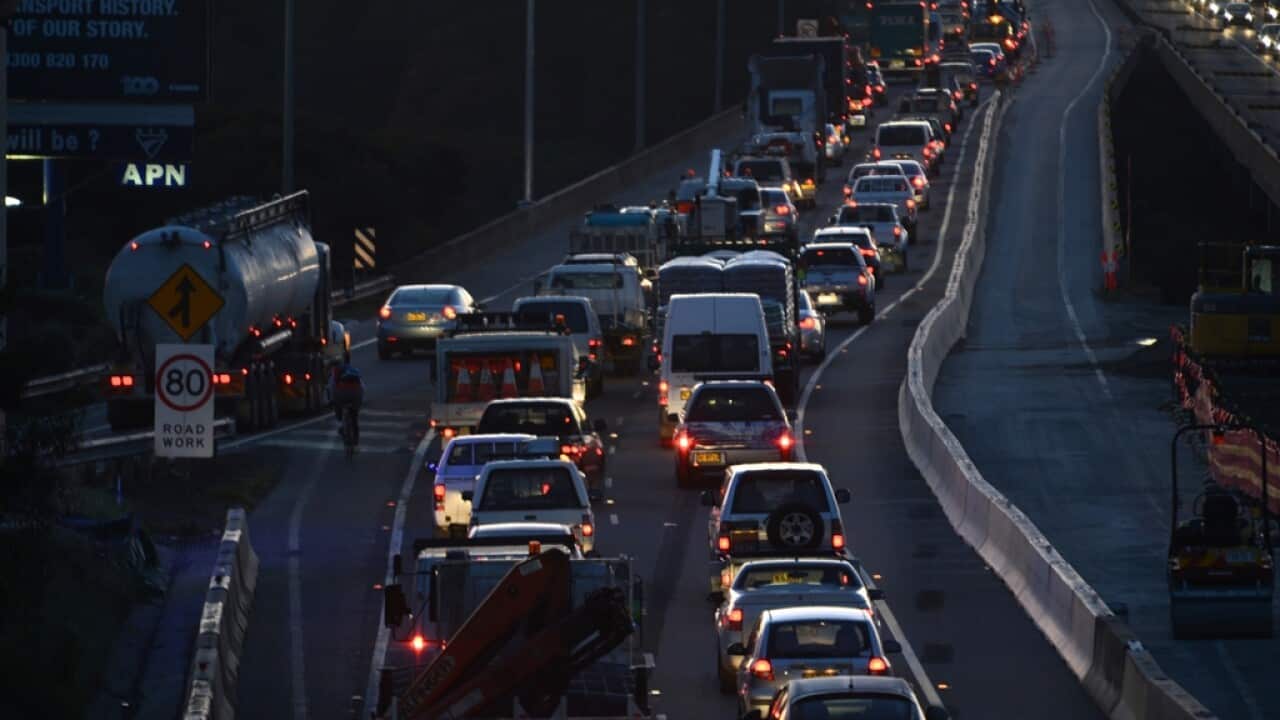
I can’t help but feel very jealous. While Helsinki is planning a system that will fundamentally shift our understanding of public transport, Australia is still stuck in the era of the car.
News that makes sense
Your trusted source for staying up-to-date with the world around you. Get free daily news updates and analysis, straight to your inbox.
In my home city of Brisbane, public bus services are being cut, while the Government is finishing off a huge investment into the Legacy Way tunnel - at a cost of $1.5 billion. In Melbourne, the Government is pushing ahead with the East-West tunnel, at a cost of $8 billion. In Sydney, the Federal at State Governments are investing $2.9 billion into funding for roads to service the new Badgery’s Creek airport. This comes after the Federal Government announced a $40 billion road package in this year’s budget, a decision that came after the Coalition decided in the lead up to the election that it would stop funding local public transport services - slashing $700 million from public transport projects.
It feels like we have things backwards. Research shows that if we want to reduce congestion, increase the health and well being of our community and help our environment investment in public transport is the way to go. It ticks all the right boxes - saving us all money while significantly helping our broader community.
That’s what it comes down to. This is about who we want to be as a society - whether we want to be a collective community or a society of individuals. While Helsinki’s plan is about providing the best individual options for its citizens, it is also one that is fundamentally community focused. It’s provides a community-based solution, which gives everyone the same access to transport options as everyone else. And it does so in an easy and efficient manner.
Our approach does this opposite - it puts transport - an essential part of living in the modern world - solely into the hands of the individual. If you can’t afford a car, and the parking associated with it, then tough luck.
When I look at these two options I know which sort of place I’d rather live in. In its own way decisions about public transport come down the heart of who we want to be - a community that works together and looks after each other, or one of individuals fighting it out for survival. I know which I’d prefer.
Helsinki is about to undergo a massive visionary project. One that will transform the capital, with significant benefits for the environment and the residents of the city. One that goes to heart of who they are - a city for everyone, not just the few who can afford it. It’s a shame we can’t even conceive of something so grand here in Australia.
Simon Copland is a freelance writer and climate campaigner. He is a regular columnist for the Sydney Star Observer and blogs at The Moonbat.







