

There aren’t many people in Russia who are game enough to openly defy the Kremlin. In fact, the numbers that are so willing can be counted on one hand.
Nadya Tolokonnikova and Masha Alekhina, members of the anarchist punk rock group Pussy Riot who spent two years in jail for their protests, are not so much thorns in the Russian presidents side as they are pains in a piece of his anatomy. Their impact is most felt outside of Russia where Tolokonnikova and Alekhina have assumed rock star status. The women know that if they put a foot wrong on Russian soil, they’ll again face the Kremlins wrath. They can’t be ignored but they have attracted little support or sympathy at home.
It is Alexei Navalny, the 38-year-old lawyer who has become the nominal leader of an amorphous opposition front, who most troubles the Kremlin.
Inside Russia, Navalny has captured the nations attention. He gained prominence for the large protests he organized in 2011 and 2012, the first large displays of public opposition to the rule of President Vladimir Putin. A self-described nationalist democrat, Navalny has been dubbed the ‘man Putin fears most’. He’s snatched a little of the president's base by embracing the desire for greatness: his fight against corruption and the power of the state stops short of opposing Russia’s annexation of the Crimea and his criticism of the war in eastern Ukraine has been muted. Navalny however calls President Putin’s United Russia party, the “party of crooks and thieves”. And his prolific online opposition via an anti-corruption blog and various online campaigns, along with the support he has garnered has landed him in court, charged with embezzlement.
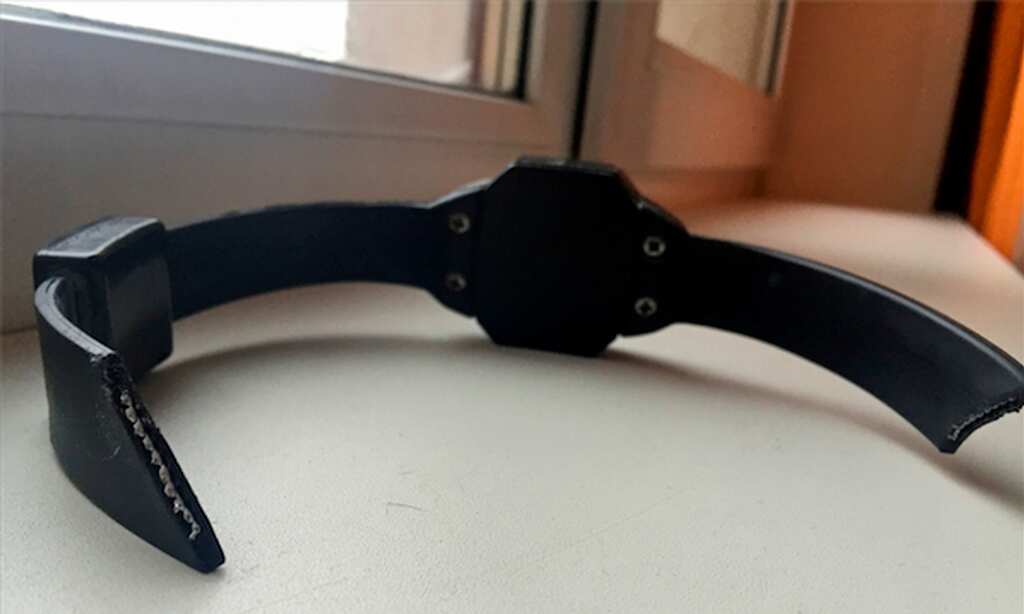
Last week, he received a three and a half year suspended sentence in what most view as a politically motivated trial. The sentence is to be served under house arrest with the aid of an electronic monitoring bracelet that Navalny duly cut off with kitchen scissors declaring he was within his rights to defy home imprisonment. But it was the jailing of his brother in a labour colony for three years on the same charge and the memories this invoked of the Soviet practice of punishing the families of the state’s enemies that brought protesters on to the streets of Moscow.
Although 17,000 had signed up to demonstrate, only 2,000 turned out, bewildering cold and an array of riot police no doubt factors in discouraging those who might have otherwise taken to the streets around the Kremlin. Navalny too joined the protesters, breaking house arrest, but was detained and returned home.
The latest attempt by the judicial system to contain Navalny looks to some Russia analysts like a last ditch act of desperation wholly orchestrated by the Kremlin.
Throughout 2014, the Kremlin seemed to be throwing everything at containing Navalny’s ability to attract attention and coalesce anger. In the context of a general crackdown on bloggers and social media, Russia’s Internet regulator blocked a Facebook page inviting people to a rally on the day Navalny’s trial was originally slated (in a sign the Kremlin feared turning Navalny in to a political martyr, the trial was brought forward to December 30th, a day ahead of Russia’s biggest holiday) Nonetheless, Navalny’s supporters, including members of his inner circle who have fled Russia under the threat of arrest, have been active in cyber space and watchers believe that when the Russian winter passes, the to-date meager number of Putin protesters will swell and take to the streets.
Still, placing Navalny under house arrest on a suspended sentence serves one notable purpose.
It makes it significantly harder for him to stand for office and unless the conviction is reversed, a highly unlikely scenario, makes it impossible for him to carry through with his intention of running in the 2016 elections to the Duma, the Russian parliament. Before being charged with embezzlement, Navalny had heralded his intention to run for president, promising, “not to lie and not to steal”. He had also registered to run in Moscow’s first democratic Mayoral election though he pulled out after his conviction.
Whether under house of arrest or in a labour camp, Navalny remains a threat. Unlike Pussy Riot, he is a threat determined to keep the fight against a president he despises on home turf where he is at his most dangerous.
Monica Attard is a Sydney based freelance journalist and former ABC foreign correspondent and senior broadcaster.





