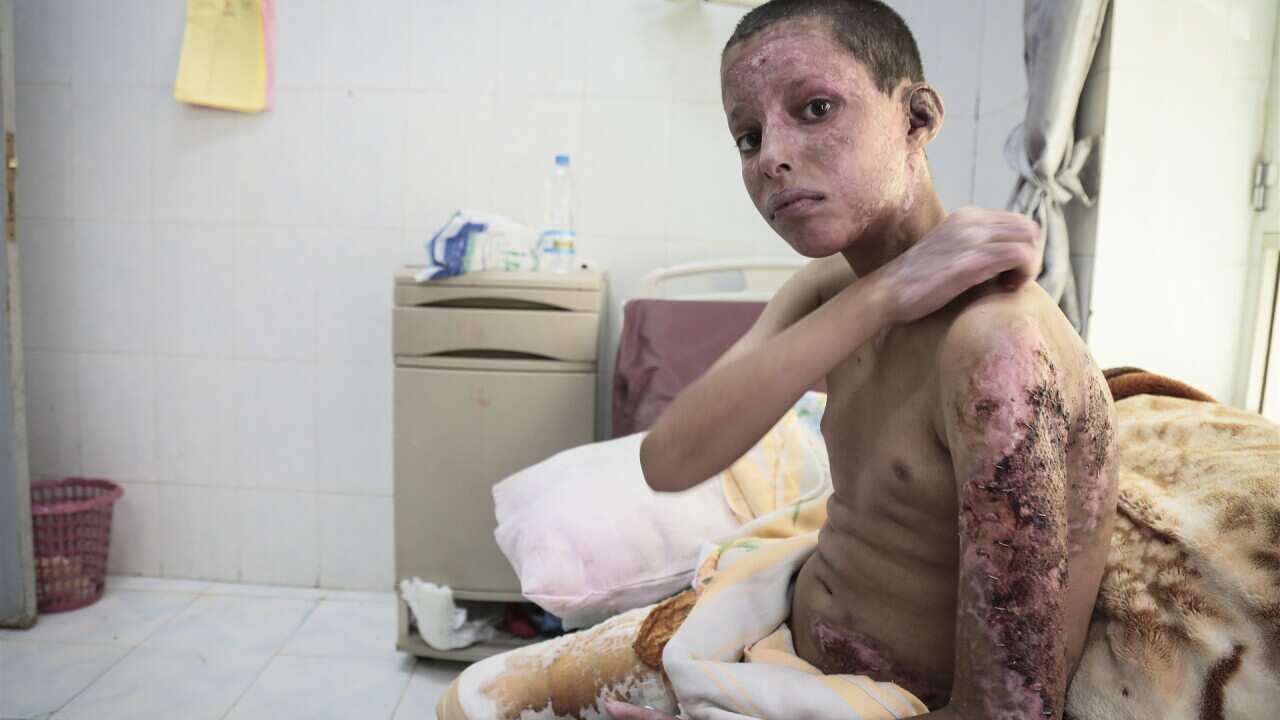
As we come to the end of another year of brutal, unrelenting conflict in many parts of the world, it seems the international community has accepted a distressing new status quo.
That which is deeply abnormal has become the norm.
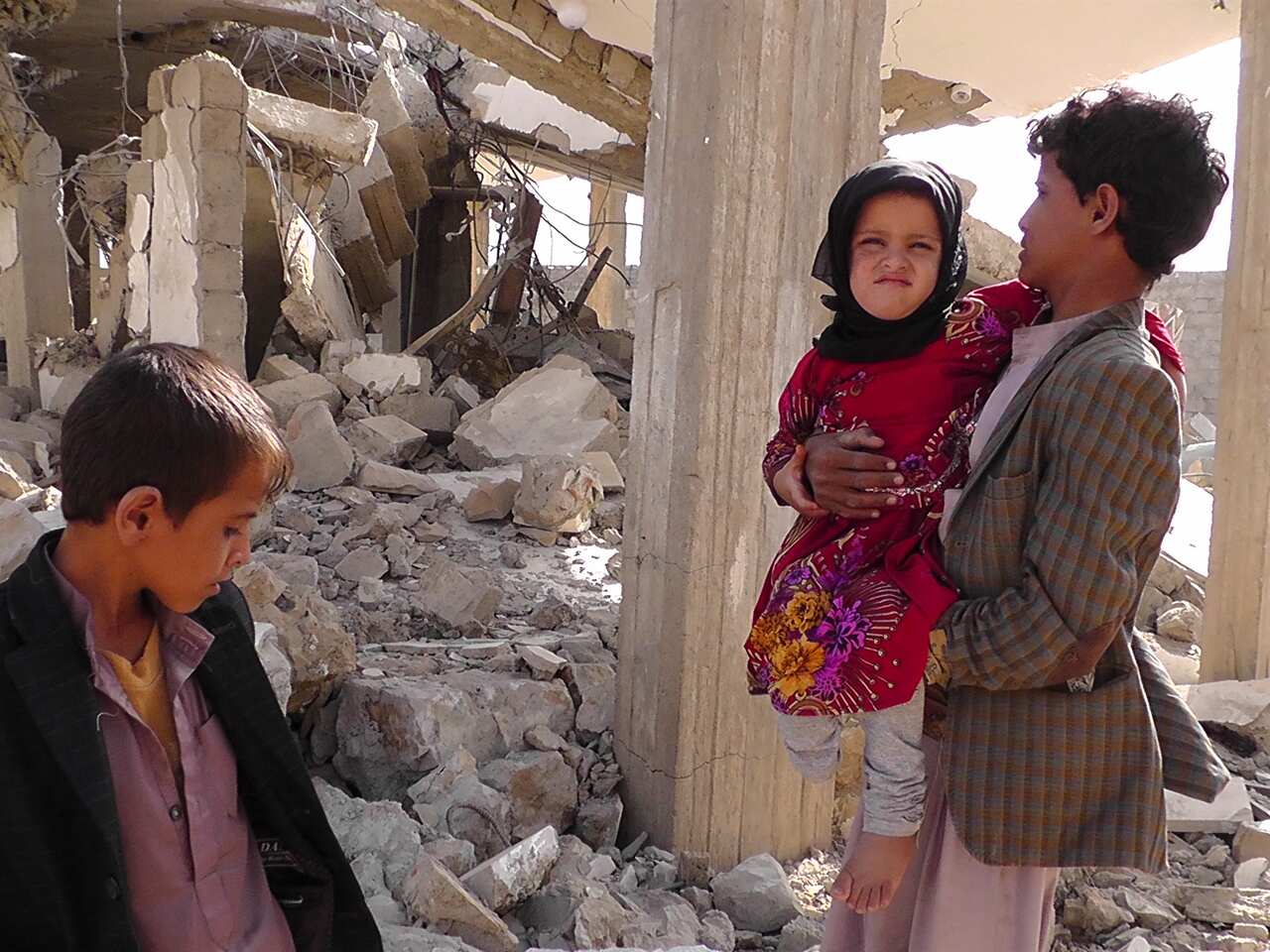
From Kabul to Mogadishu, Damascus to Sana’a, protracted armed conflicts are bringing death and devastation to countless communities worldwide – and they have become a predictable, almost unquestioned, scene in the backdrop of our daily lives.
The marketplace explosions, the civilians caught in crossfire, the hospitals under bombardment - it’s all so familiar.
News that makes sense
Your trusted source for staying up-to-date with the world around you. Get free daily news updates and analysis, straight to your inbox.
Our world is entering a new era, and it’s not a peaceful one. We are seeing violence that shows no signs of abating, which results in the collapse of public services and infrastructure on a scale unknown in recent history – often total system failures.
It’s a sad reality that today’s conflicts, their ever longer duration, and their ever more appalling impact on civilians, are just accepted as a given.
This is morally unacceptable. The international community cannot afford to simply stand on the sidelines.
Rarely before have we at the International Committee of the Red Cross, an organisation established more than 150 years ago, seen so much suffering, so much instability, and so many people on the move.
This misery is only occasionally brought into sharp focus to the rest of the world. The haunting images of refugees desperately trying to reach Europe, many of them perishing along the way, have gone some way towards mobilising the global community into action.
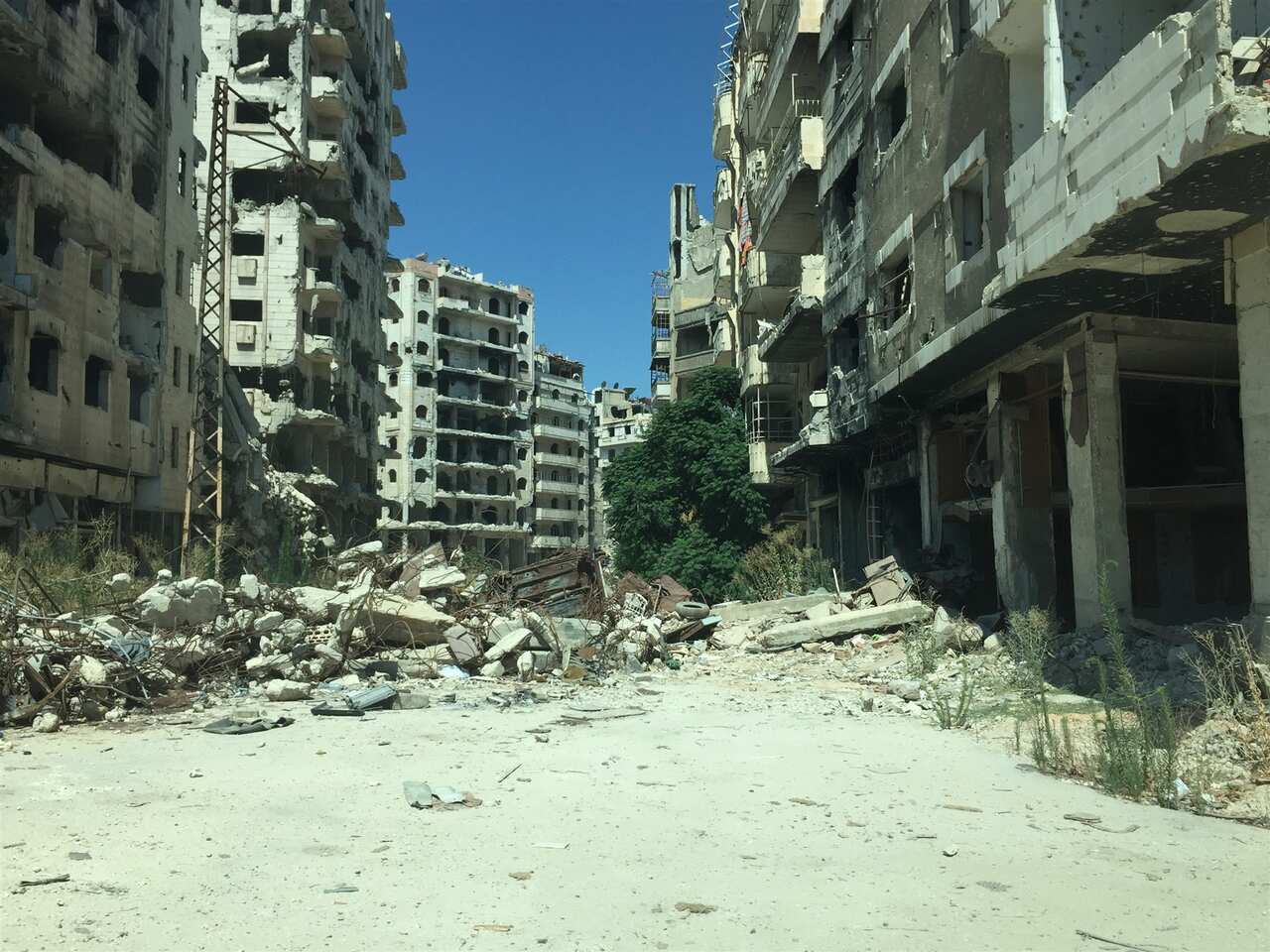
In general, however, the scenes of heartache can often be pushed aside.
As the world struggles to respond to the many humanitarian disasters that are unfolding, the grief of war-torn societies is deepening.
In Syria alone, more than 240,000 people have died because of the conflict. More than 12 million people, almost half the population of Australia, have been forced to leave their homes. Much of the country is now chronically dependent on aid.
In Afghanistan, the country is reeling from a period of intense violence not seen since the start of the conflict in 2001. There has been no let up for civilians enduring this war; in fact their suffering is more acute than ever.
This anguish is replicated in numerous other countries, from Yemen to Somalia to Iraq. Tragically, the list goes on.
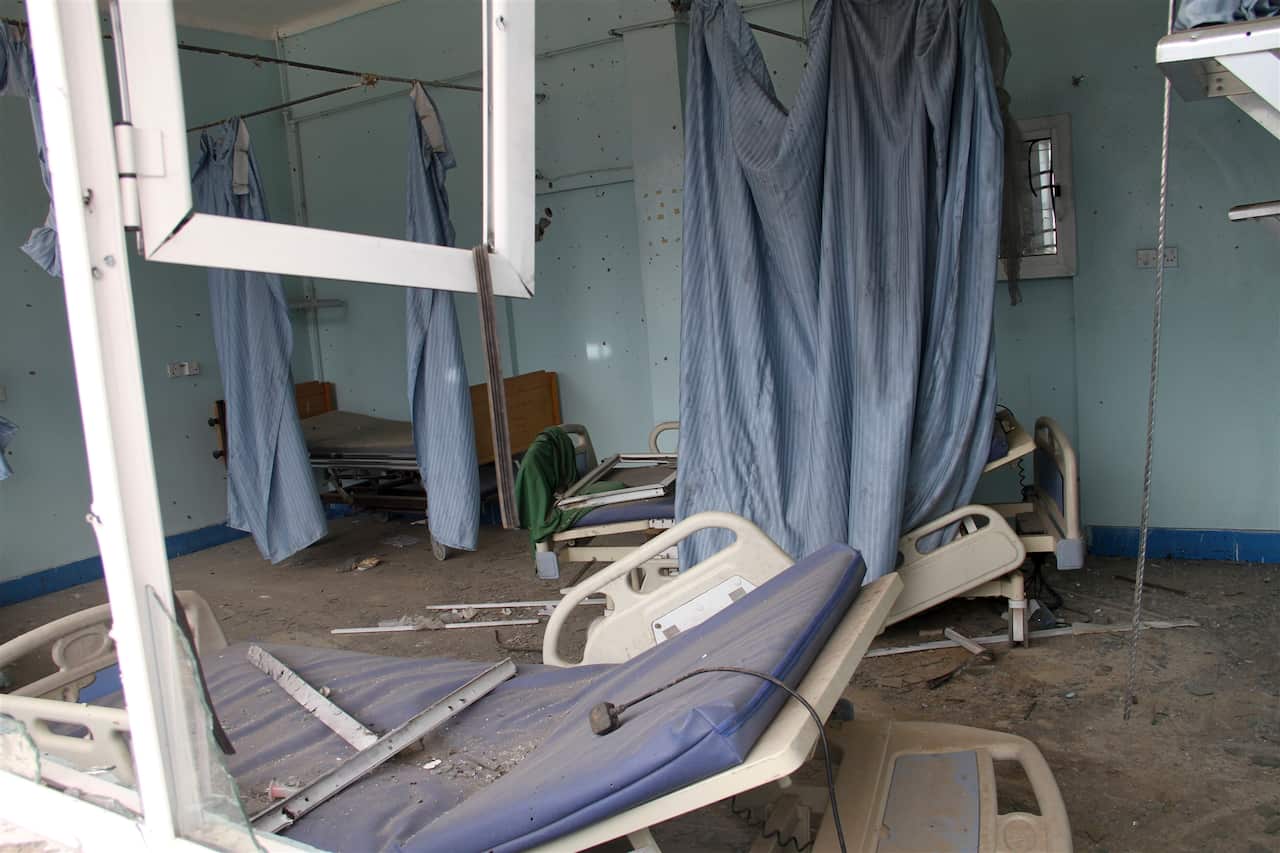
As these wars rage, their destructive impacts intensify, and our teams on the ground are battling to keep up with people’s ever more urgent need for help. The sheer complexity of contemporary conflicts, the lack of respect for neutral, impartial humanitarian assistance, is making our operations ever more difficult.
Almost every day, we hear of health-care facilities attacked, access to the wounded and sick denied, civilians being killed in violation of the basic rules of international humanitarian law, and with total impunity.
If states, other actors in conflict, and the global community as a whole do not act responsibly now, there will be millions more victims.
There is a desperate requirement for huge and unswerving commitments to find political solutions that can finally bring an end to the suffering. At the same time there needs to be a redoubling of efforts to ensure that humanitarian principles and law are respected.
As 2015 draws to a close, we are at a turning point. Now, more than ever, we must reaffirm our shared humanity.
In the meantime, the pain of war-torn populations will continue to reverberate around the world. Struggling to stay alive amid endless bloodshed should not be the expected status quo for anybody.
Is this what we’re prepared to accept as normal?
Leonard Blazeby is the International Committee of the Red Cross head of mission in Australia.







