
It's a simple game developed for phones by Dong Nguyen which over the last few months exploded with popularity, earning its creator over $50,000 before being unexpectedly shut-down on the 10th of February to the dismay of bored commuters everywhere.
I speak, of course, of Flappy Bird.
Since Nguyen removed the game, several conspiracy theories have emerged about why the game was unceremoniously yanked from the market. These range from copyright claims from Nintendo (based on the pipes looking similar to Super Mario Brothers), threats from players claiming it was “too hard”, and the frankly laughable one that Nguyen is simply using this all as a ploy to increase exposure around the game.
The truth, though, is much lesse dramatic. Nguyen simply took the game away because he was dissatisfied with “how people were using my game.” He claimed they were “overusing it.” The overuse Nguyen claimed can be traced to the multitude of Facebook posts that popped up daily especially on my news feed - people were addicted to Flappy Bird much like people were and still are addicted to Candy Crush Saga.

Nguyen was receiving threatening messages on social media. Some told him to “die in a hole.” Nguyen took these in jest mostly but they would have worn him down over a period of time.
Twitter is a great tool for instant communication but in many instances it can be abused - especially when addicts have a means of singling out their “pusher”. In this case, the “drug” of choice was a game. In his article for the Daily Dot, entitled “Why You Can't Stop Playing Flappy Bird”, Greg Stevens points out that these applications fill our “natural and intrinsic, even biochemical, drive to achieve things.”
Usually people fulfil this desire by attempting new things or presenting themselves with a new challenge. Others get it through playing games like Flappy Bird. The game gives players their release of dopamine and adrenaline – thus why these games, or even console based games are addictive to the point of obsession sometimes.
It is telling that the most addictive and popular games are the most simple – Flappy Bird or Candy Crush Saga - because of the fact they present a challenge but not a difficult one. They give the player a simple concept of trying to navigate the bird through several obstacles to obtain a high score after running the gauntlet of emotion - frustration, tension, anger and success.
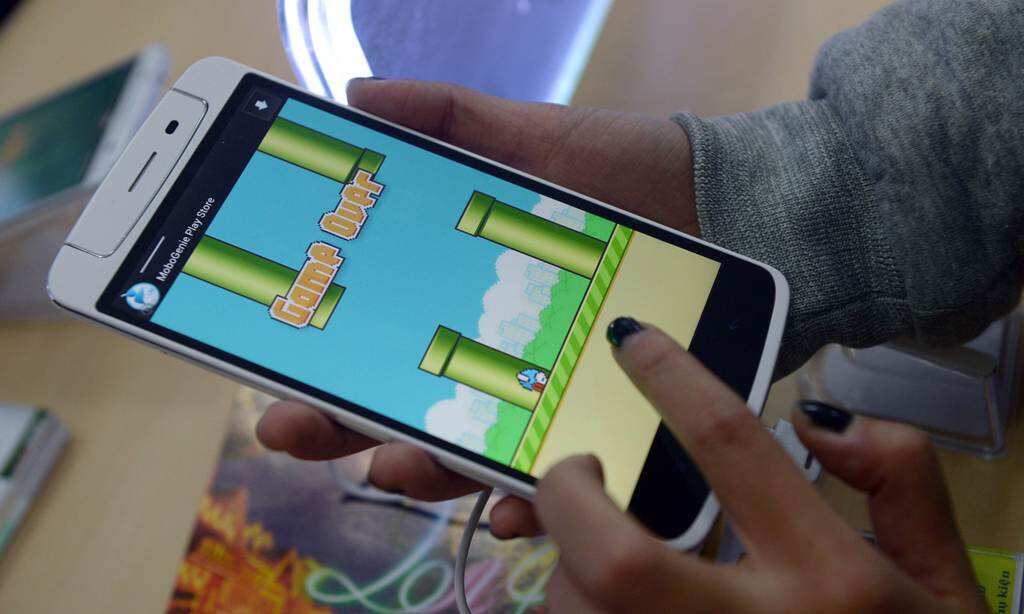
The basic design draws you into the world where it can be difficult to break free – it reminds you of a simpler time of gaming when Mario and Sonic ruled the landscape. Flappy Bird and related games tap into nostalgia and the heartstrings of the audience. It's because of this that some people have been selling their phones with the now defunct game installed for four to five figure sums.
That's a staggering figures for something that was a simple game about a bird travelling through obstacles.
In his article, “Flappy Bird Is Dead - But Brilliant Mechanics Made It Fly”, Keith Stuart argues that “video games are about precarious balance – they are machines of compulsion,” which need to strike an détente between ease of use and the complexity of a challenge.
Flappy Bird is dead. People must accept that.
Irrespective of Nguyen's reasons to to pull his creation, the whole ordeal serves as a reminder that these games are simple applications on your phone. Play them, but don't forget to take on new challenges in life - not just the thrill of the next level.
Plus, it stops clogging up people's Facebook feeds.





