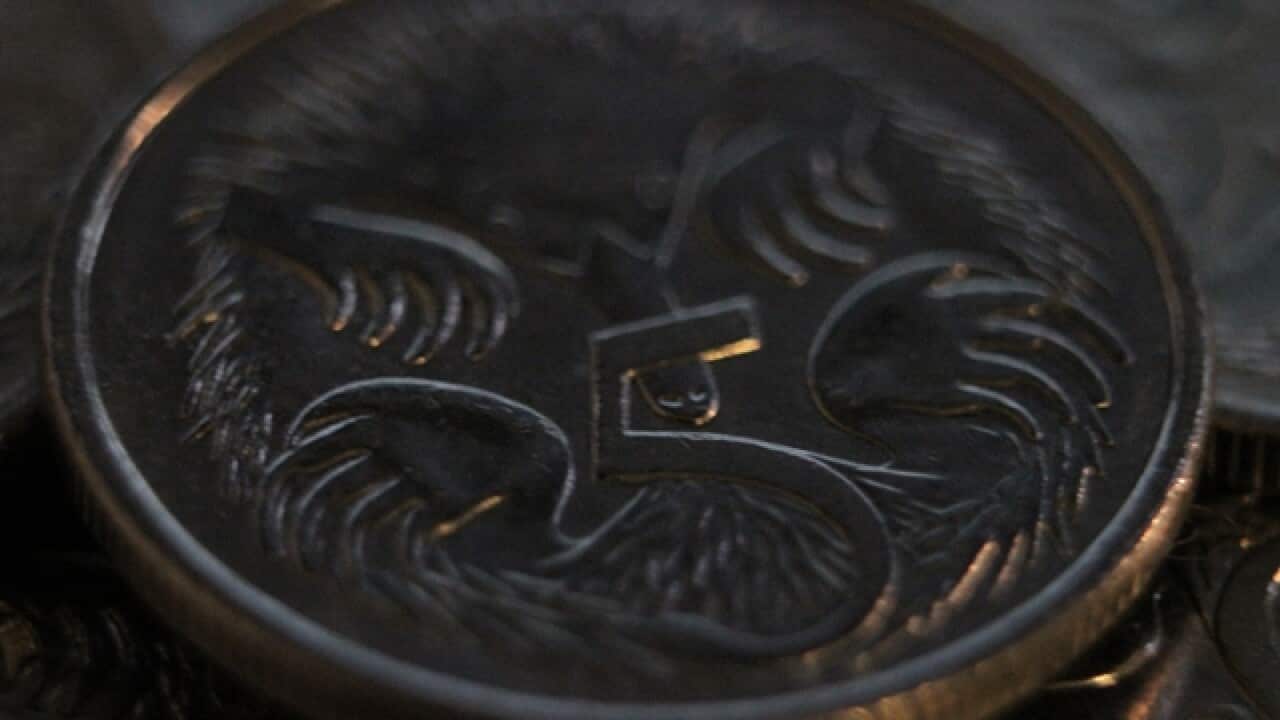
Imagine if you walked into your local bank, handed them a five cent piece and asked, "Can I have ten cents for this?" And then the teller said, "Yes."
Well, that's the world of commerce our friends across the Pacific pond are used to. And soon, we might have to accept the same sort of illogic here in Australia.
In the 2012 fiscal year The Unites States Mint produced and distributed just over 1 billion US five cent pieces, worth a total of US$50 million. But they spent more than US$100 million to produce them! That's more than US$50 million in losses. And all simply to subsidise the irritating existence of bacteria-ridden disks that you'd be surprised to find someone bothering to pick up off a New York City sidewalk.
Granted, the price of copper and nickel - the main constituents of the US five cent piece - have since lowered slightly, so the same loss might not be incurred today. But since the early 2000's the price of copper, which also makes up 75% of all silver coins and 92% of all gold coins in Australia, has more than tripled. Compound this with inflation and the increasing costs of energy consumption required by manufacturing and distribution, and it's no wonder it was reported in 2009 and 2011 by The Sydney Morning Herald that there were plans to scrap our echidna-bearing shrapnel forever.
The real cost to society could be in lost productivity costs, though. Think of all the times you've fumbled around for exact change and how the poor soul who has to count them at the end of the day must wish they were elsewhere. The US one cent piece - which is bafflingly still produced - is estimated to cost the US economy US$1 billion in lost productivity annually.
Even if they were affordable to produce or money was no object, for something which is meant to grease the wheels of commerce, the five cent piece really underperforms. Anyone would be rightly shocked to find even a single item in their local supermarket that costs five cents or less. Parking meters don't take them, vending machines know better and even the infamous Melbourne Myki system can spot such indisputable inefficiency when it sees it.
The truth is that there are even laws to limit how many five cent pieces you can use in an individual transaction. The Currency Act 1965 (section 16) prohibits anyone from ruining the day of a store clerk beyond $5 worth of five cent pieces; any more it's not considered legal tender. And rightly so, too - that's 100 five cent pieces!
Our Kiwi cousins scrapped their five cent piece in 2006 after realising what a nuisance they were. Why can't we do the same? It might not be a sexy topic or have catchy three-word-slogans like 'Five Cent Wastage' and 'Coinage Reform Now', but couldn't we afford to be pragmatic for once? In fact, given the economy, how can we afford not to be?
Tom Burns is a blogger, vlogger and self-confessed political junkie.


