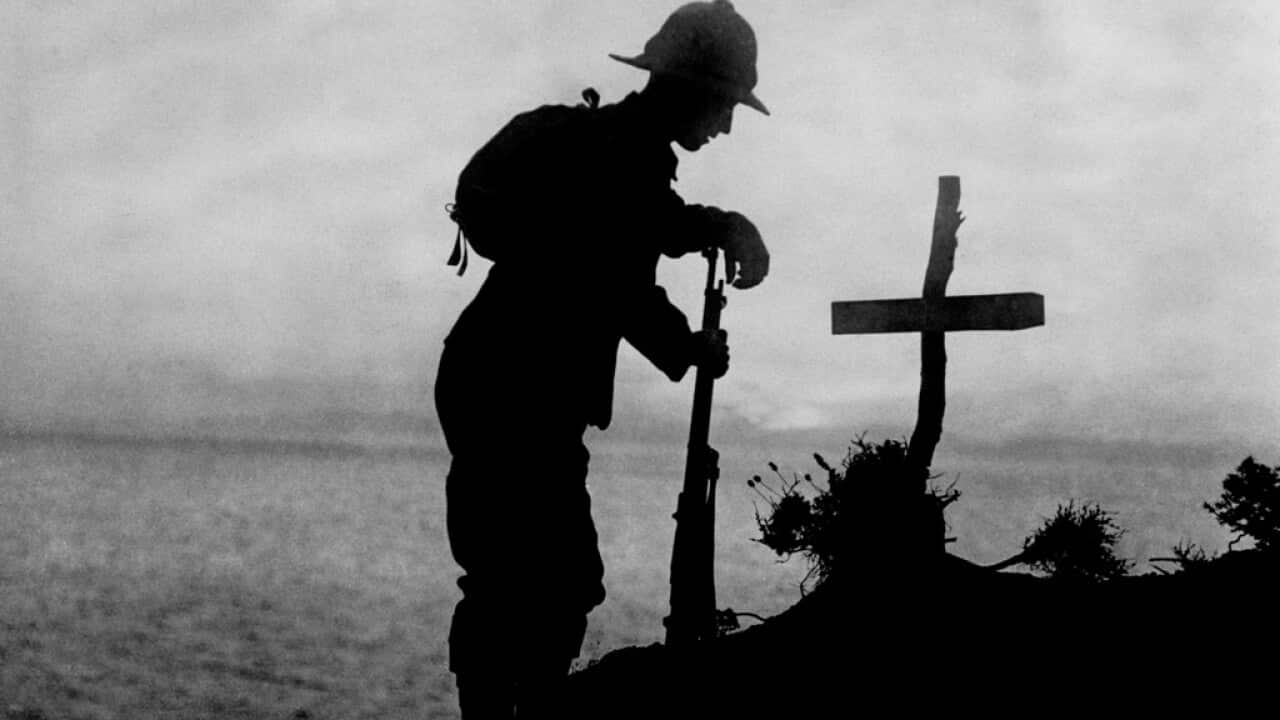
It’s difficult to believe that this July will mark the 100th anniversary of the beginning of World War 1. Though it has slipped almost completely from living memory and none of the men who fought and bled on its battlefields are still alive, the First World War somehow seems a part of our time.
Perhaps that explains why emotions still run high when it comes to the Great War and why, with the centenary of its outbreak looming, its history has never been more politicised. In Australia, the Abbott government has moved to have the ANZACs front and centre in the history curriculum.
In Britain, the Education Secretary, Michael Gove, has blasted the “Blackadder” version of First World War history “perpetuated by left-wing academics”. In a list of myths about the war on the BBC website, television presenter Dan Snow argued against that the war was neither as horrible, nor as bloody and pointless as the popular imagination holds. Critics responded, both in the UK and here in Australia.
And this is just the beginning; the anniversary of the start of the war is still six months away, to be followed by four more years of commemoration and discussion. The conversation about the way we should remember the war is nothing new; 1918 will mark the 50years since the controversial Alan Seymour play The One Day Of The Yearwas written. But without witnesses and veterans to help define the meaning of what was once known as “the war to end all wars” in the national psyche, the more it becomes a site for debate and ideological struggle.
For many of us who identify with family histories of the war, have read Birdsong or All Quiet On The Western Front, seen Gallipoli or even visited the National War Memorial, the transformation of Anzac Day into a secondary Australia Day and statements like “Many soldiers enjoyed WW1” can seem a bit offensive.
At the same time, it can hardly be a bad thing that WW1 gets more Australians (and Britons) interested in history. And a mature approach to the discipline has to recognise that the past is always going to be subject to the present and that it’s impossible to know definitively what happened and why.
You need only look at the difference between the positions of the Australian and British conservative governments to see how subjective history is. Michael Gowe and his fellow travellers are pushing back against the very “lions led by donkeys” stereotype of British generals that Christopher Pyne’s Anzac Day legend requires and emphasises.
If we allow WW1 to become an unquestionable archetype of everything that’s terrible about war, then it defies history (to steal a phrase from Tom Holland). To use another example (and apologies for the Godwin): if we just focus on Hitler as a specimen of pure evil, then there’s very little to be learned from the history of Nazi Germany.
So the right response is to argue back intelligently. Sure, some soldiers might have enjoyed WW1 or some parts of it, but it was terrifying and awful for the majority. More Frenchmen might have died at Gallipoli than Australians, but that doesn’t diminish the contribution of the ANZACs or the impact the losses from that campaign had here.
In many ways it’s easier to respond to ideologically driven arguments than it is to address emotional ones. Many Australians have a strong feeling of connection with the events at Gallipoli in April 1915, but that isn’t a necessarily a good basis for an informed debate about the history and significance of the war. History is cultural, sure, but it has to be based on facts.
The budding “history war” about WW1 isn’t necessarily a bad thing. But let’s not allow it to get anachronistic or shrill in the rush to wave a flag, lest we forget the 16 million men from around the world who left for a real war 100 years ago and never came home.
Alex McClintock is a freelance writer from Sydney and the deputy editor of boxing blog queensberry-rules.com.
Share


