By James Dyke, University of Southampton
Perhaps it’s the record breaking relentless damp and drizzle. Perhaps it’s symptomatic of a more seasonal adjustment malaise. But when I heard of the decision by the Great Barrier Reef Authority to approve the dumping of three million cubic metres of sediment into the marine park that it is supposed to protect, my reaction was yes, we probably are f*cked. Homo sapiens or rather our collective global, industrial civilisation is too stupid so survive. Why the ire?
As some have previously commented on these very pages, the Australian government’s attitude to anthropogenic climate change and carbon emissions is a borderline personality disorder if not outright schizophrenic. On the one hand, significant efforts are made to reduce domestic carbon emissions in response to the compelling case that humans are affecting the Earth’s climate in ways that will be bad for us and future generations. Yet on the other hand, Australia gives every indication of trying to dig up as much fossilised carbon as fast as it possibly can and so make climate change much worse than it currently is.
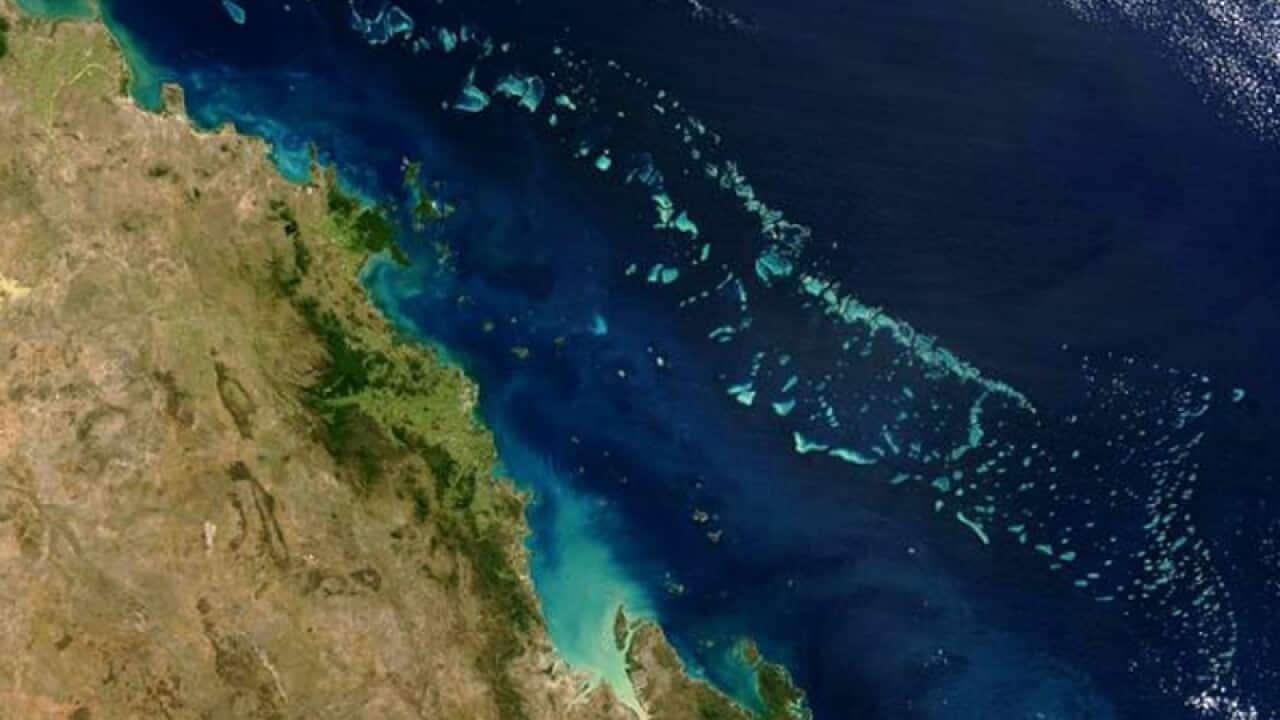
The millions of tons of sediment that will soon be dumped near the Great Barrier Reef (the authority was not inept enough to allow it to actually bury the reef itself) is of immediate ecological concern. However, it’s where the sediment comes from that brings the situation into Kafkaesque relief. The mud, shingle and whatever fauna and flora that cannot escape the jaws of diggers and dredgers will come from Abbot Point, a large port on the coast of north eastern Queensland. Australia is the world’s largest coal exporter and Abbot Point, despite shipping 50 million tons of coal per year, requires expansion because the coal that is being mined in Australia cannot get out of the country fast enough. The Galilee Basin in Queensland alone has estimated reserves of over 4 billion tons of thermal coal. Most of this coal is sold to Japan, but increasingly China, and generates many billions of dollars of export revenue.
I’m sure the Great Barrier Reef Authority’s decision was made after extensive consultation, deliberation and with the protection and conservation of the reef as its main objective. It would be well versed about the threats that climate change poses to the reef, in particular coral bleaching and ocean acidification. So then why has it facilitated the development of a port complex that would increase coal exports and so carbon emissions?
News that makes sense
Your trusted source for staying up-to-date with the world around you. Get free daily news updates and analysis, straight to your inbox.
Presumably it’s not its job, or rather its only job is to protect the reef from localised, immediate threats rather than longer term catastrophic effects. This narrow vision and wilful inability to take responsibility for actions is also demonstrated by an Australian administration that has policies that would seek to reduce domestic emissions while at the same time facilitating the mining and combustion of carbon. Of course one could argue that the coal that will flow through Abbot Point doesn’t have to be burnt. After spending billions of dollars for these fossil fuels their new owners could instead put them back into the ground. If they do feed them into power stations or furnaces and so exacerbate climate change, well that is their problem.
Unfortunately, the Earth’s climate doesn’t respect international borders. No matter where the coal is burnt - Sydney or Shanghai - the impacts on the Great Barrier Reef will be the same.
James Dyke does not work for, consult to, own shares in or receive funding from any company or organisation that would benefit from this article, and has no relevant affiliations.







