
This past week has seen an outcry by the Australian Olympic Committee (AOC) over the state of the Rio Olympic village, which officials initially described as unacceptably "uninhabitable".
Between plumbing problems, darkened stairwells and dirty floors among the complaints, it's been a far-from-seamless settling-in period for Australia's best.
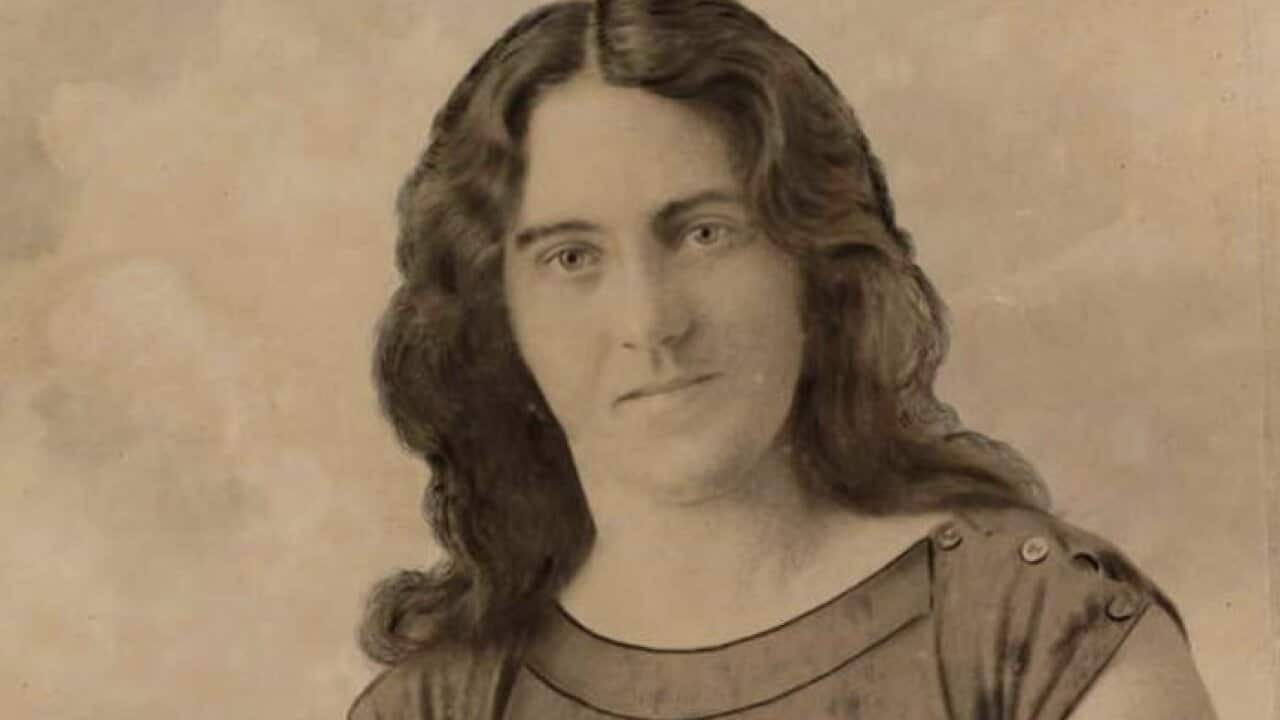
I'm not going to criticise the need for smooth preparations, but it does provide a moment to consider the challenges faced by some of our sports pioneers, particularly our early female athletes. One that comes to mind is Sarah 'Fanny' Durack, whose name has been forgotten by many.
Durack, arguably one of our greatest ever swimmers, grew up in Sydney and competed for ‘Australasia’ at the 1912 Olympics in Stockholm. Her story and the role she played in laying the foundations of the nation's success in the pool is one we can still learn from.
Back then, breaststroke was the only stroke in which women were allowed to compete but Durack was eventually permitted to swim the trudgen stroke - imagine a combination of freestyle with one’s upper body and breaststroke with one’s lower body.
By 1911 Durack had begun swimming the Australian crawl, basically what we know as freestyle today. From the get-go, she had to fight to even swim as the men fought for first place.
Before she could imagine becoming an Olympian, she had to overcome the New South Wales Ladies' Amateur Swimming Association.
At the time, the association had in place a ban on women competing when men were present.
But such was Durack’s talent and will, an exception was made for her.
Next came Olympic selection but there were no cushy first class flights to Europe back then. Durack had to sail to Sweden in order to compete.
Once she arrived, she was only able to swim half a mile a day in training, for that was the only individual event for women at the games.
Durack would go on to break the women’s 100 metre freestyle world record in each round of her event and became the first female swimmer to win Olympic gold.
Between 1912 and 1918, she broke 12 world records. Durack's journey and the societal and logistical challenges she overcame are inspirational.
While our Olympic team in Rio is justified in complaining about conditions inside the village, let's hope, like Durack, they don't let the challenges define their performance, but rather their will to succeed.





