

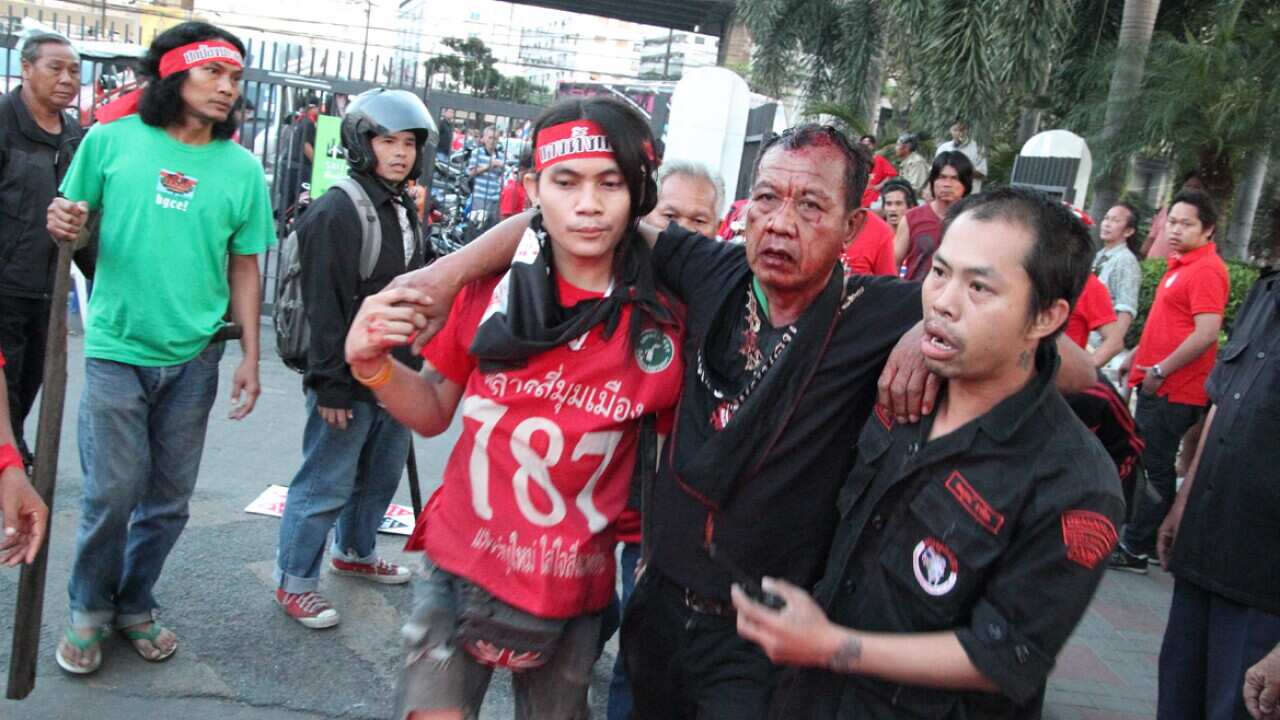
The following photo essay contains graphic images that some viewers may find disturbing.
“Things got crazy. Explosions everywhere. Gunshots fired, from both sides. ‘Luad kuen na’ (blood rises into the face) – a Thai expression for running amok.”
By going to Bangkok’s Rajamangala Stadium, photojournalist Nick Nostitz was hoping to stay out of the firing line.
He was there to take photos of a peaceful demonstration led by pro-government Red Shirts. Instead he came face-to-face with the chaos and carnage of the country’s most recent spate of political violence – bombs and all.
News that makes sense
Your trusted source for staying up-to-date with the world around you. Get free daily news updates and analysis, straight to your inbox.
Nostitz has become one of Thailand’s best known photojournalists as a result of his powerful photo essays on Thailand’s political turmoil prepared for New Mandala.
Over the past few weeks he has found himself in the middle of Thailand’s seething political protests and running battles on the streets of the capital. He’s even suffered from a Facebook hate campaign led by anti-government forces.
The situation on the ground is flammable to say the least.
The opposition movement, led by former Deputy Prime Minister Suthep Thaugsuban, is calling for the government to be removed. Prime Minister Yingluck Shinawatra has responded by dissolving parliament and calling snap elections for February.
Thousands of supporters from both sides have taken to the streets and tensions are simmering, with a very real threat that it could spark civil conflict.
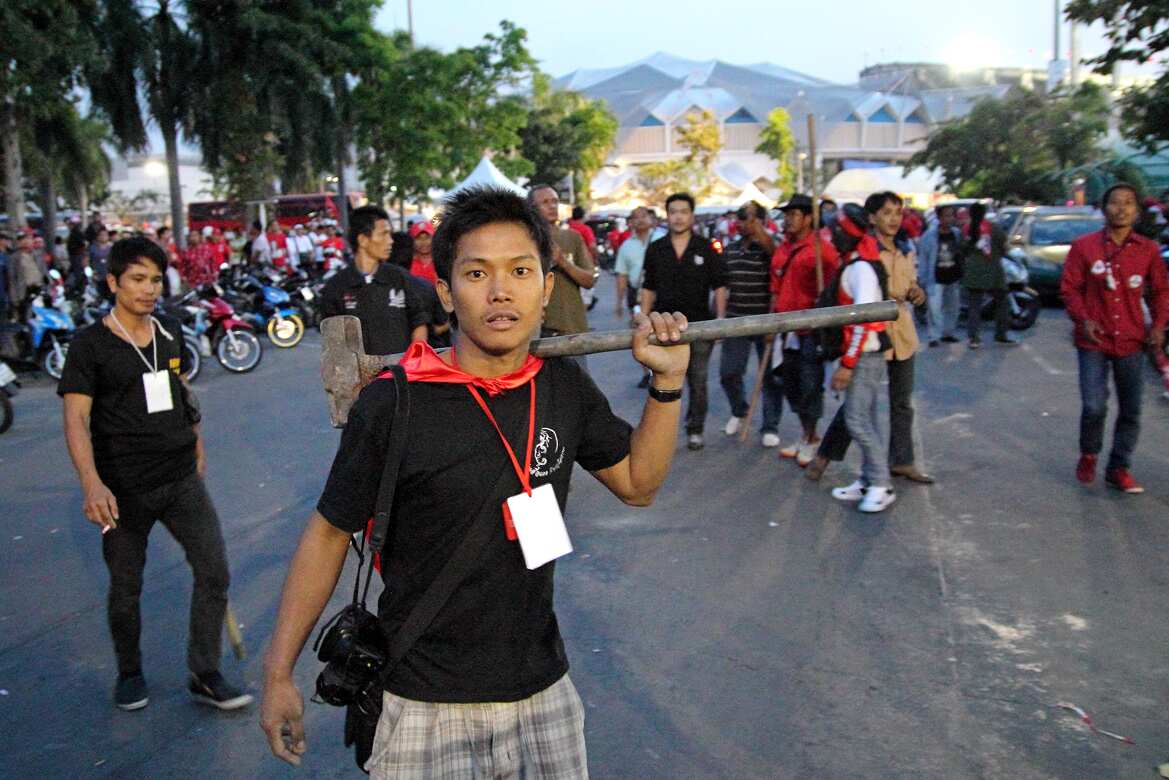
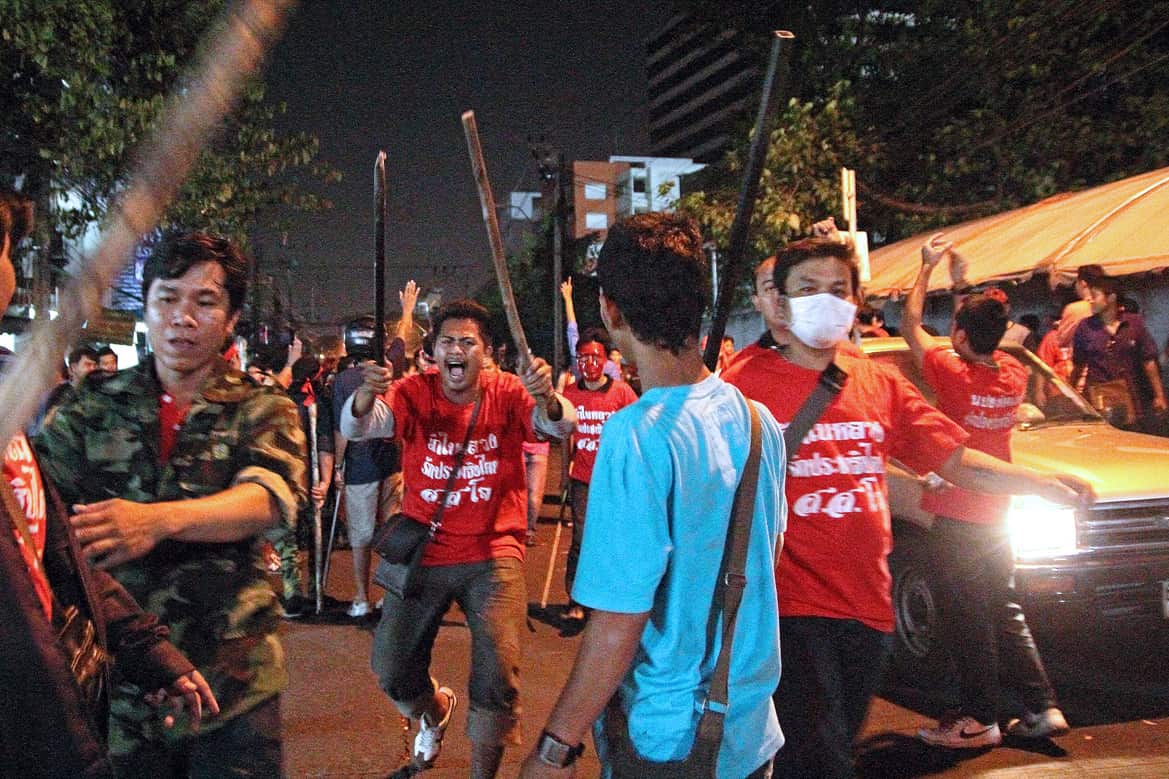
In his latest New Mandala photo essay, Nostitz captures the violence when pro-government Red Shirts collided with anti-government protestors at Bangkok’s Rajamangala Stadium and Ramkhamhaeng University on the night of Saturday, 30 November, through to the morning of Sunday, 1 December.
Like in the past, the Red Shirts had gathered at the stadium for a demonstration in support of the government.
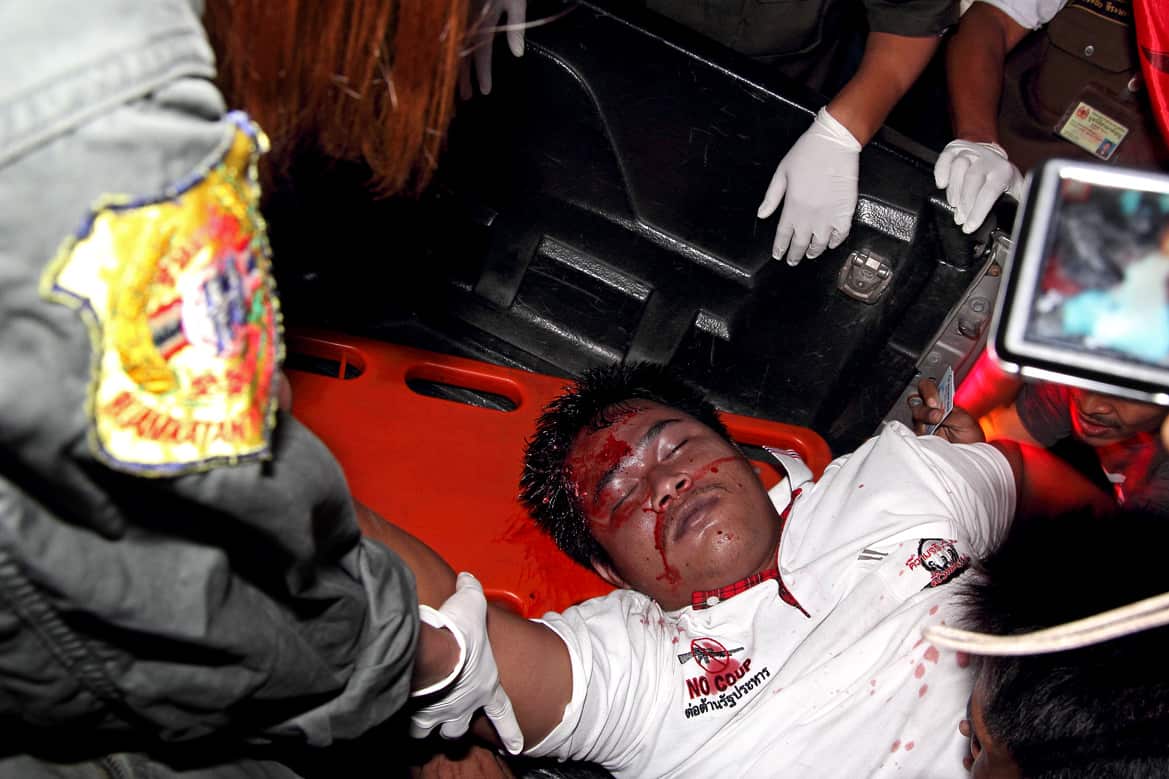
In his account Nostitz describes the shooting death of a young Red Shirt soldier.
“Suddenly from deeper in the laneway we heard six gunshots. It was about 1.55am on 1 December 2013. Soon after a Red Shirt came running towards us, screaming that one of them was killed.
“A group of Red Shirts rushed towards us, carrying a body. I snapped a few images. A rescue truck arrived, the Red Shirts quickly loaded the body onto the truck, and it drove straightaway out of the alley. I managed to get one clear image of the body.
“He was shot in the head.”
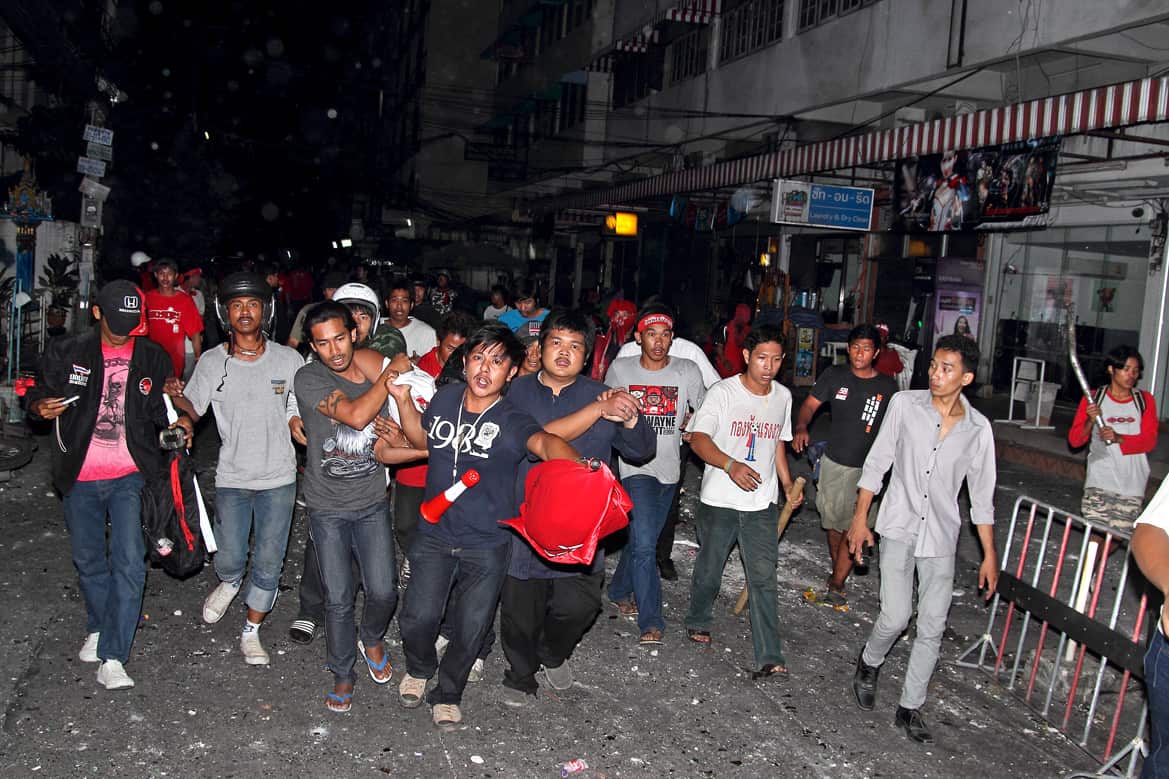
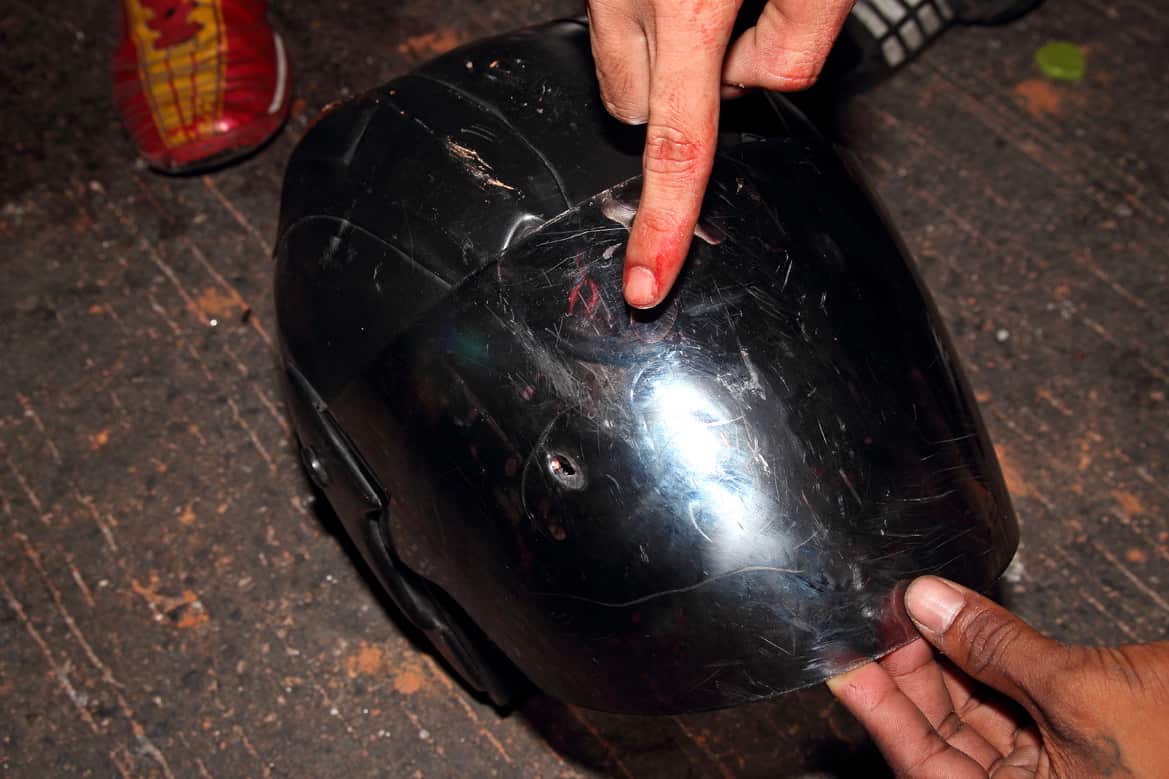
After photographing the man’s motorcycle helmet – including where the bullet went in and out – Nostitz said that “soon a terrible sadness overcame me”.
“I had photographed yet again another young man killed,” he writes.
By early Sunday morning, the death toll had risen – bombs and bullets cutting down more Red Shirts.
“The Red Shirts, locked the whole night in the stadium, drinking water having run out at 11pm the night before, went wild, chasing the students off the street.
“Somebody threw bombs at the Red Shirts from the overpass. A large group of Red Shirts ran towards the main gate of Ramkhamhaeng University. Gunfire. Red Shirts shouted that one of them was killed by several shots in the chest.
“I remained at the gate area of the stadium. Soon several injured were brought in, one young man who was shot through the hand. Another man with a head wound — from what I don’t know. Things calmed again. The Red Shirts moved back into the stadium. The whole episode of mayhem lasted only 25 minutes.
“The rally was cancelled by the Red Shirt leaders, who were now began leaving the stadium through the back gates. I left as well, utterly exhausted.”
Nostitz says that while much of what took place that night is sketchy, enough facts have come to light to ask some very uncomfortable questions about what led to the violence in the first place.
He says that university authorities, the police and anti-government student protestors are responsible for much of the violence – particularly since the Red Shirts had gathered at Rajamangala Stadium for a peaceful demonstration, something the authorities and anti-government protestors knew.
But regardless of responsibility, Nostitz is quick to point out the high cost of the clashes.
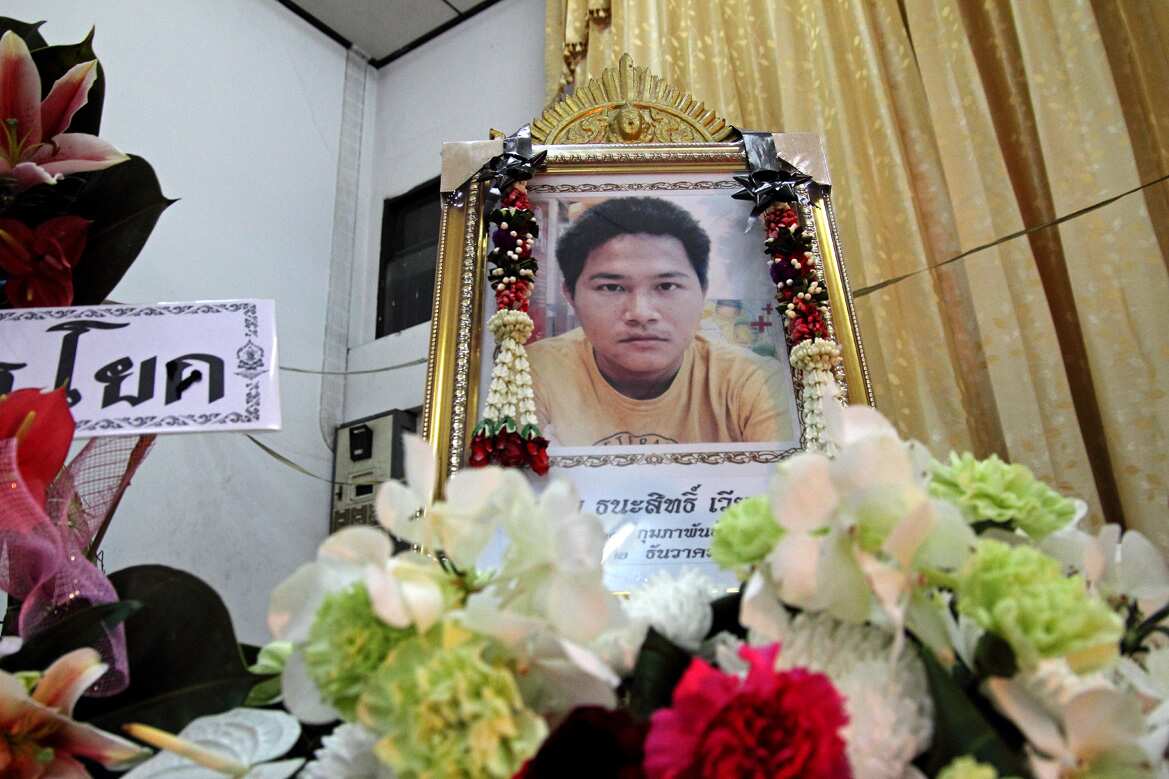
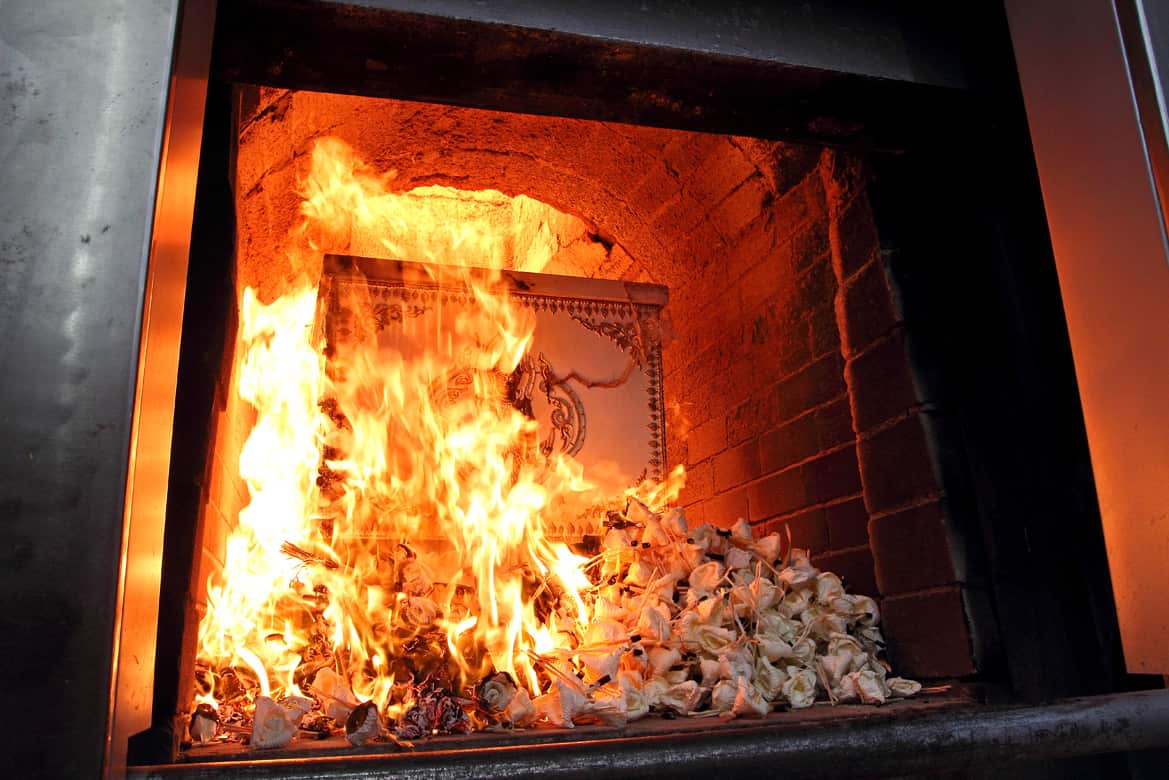
“On 3 December 2013, and the following day, the cremation day, I went to the funeral of the young Red Shirt fighter who was killed that night and whose image I took,” writes Nostitz.
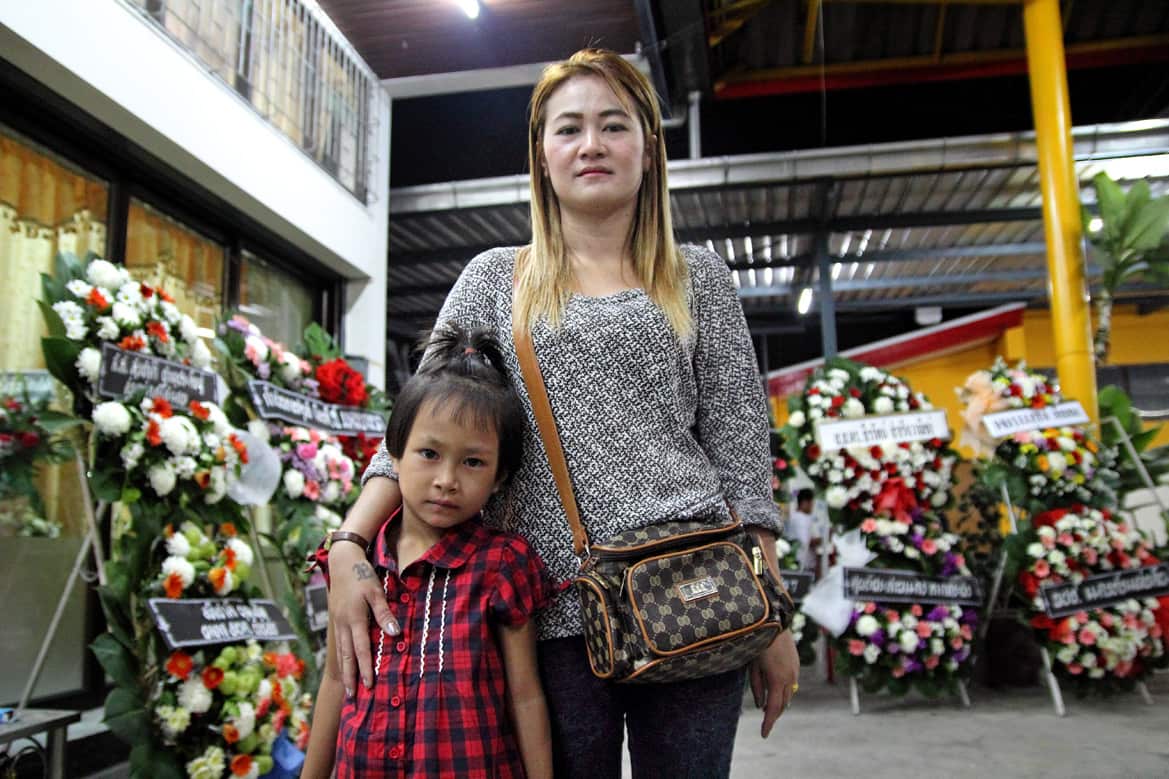
“By now I knew his name — Thanasit Viangkham — a 22-year-old conscripted soldier on leave. He left behind his wife, and a five-year-old daughter. His whole family are active Red Shirts, both his wife and parents were that night in the Rajamangala Stadium as well. They said that Thanasit was fearless, and always at the forefront.
“The funeral was like so many other Red Shirt funerals I have been to. Several hundred Red Shirts gathered.
“There were speeches, and a dance group performing a traditional funeral dance. Monks were handed robes, and soldiers from Thanasit’s unit attended as well.
“The Red Shirts were sad, and angry. When passing the coffin, some knocked on it and said: ‘su su’ (fight on).
“After the cremation the Red Shirts moved a few streets further, where the funeral of another Red Shirt killed that night was held.”
And so it would seem for now, that Thailand’s cycle of political violence, life and death, goes on.
Photos by Nick Nostitz
You can view Nick Nostitz’ full photo essay at New Mandala. This article was prepared by the Australian National University’s College of Asia and the Pacific.







