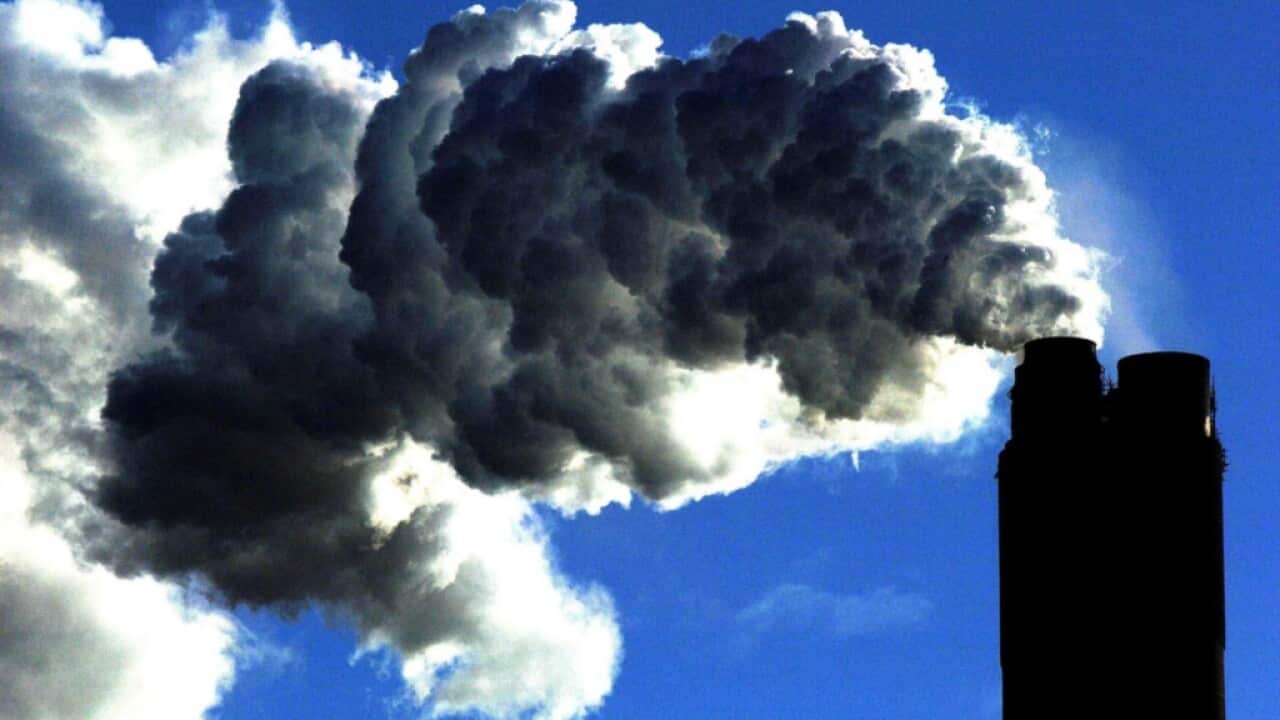
'Eternal peace is a dream - and not even a beautiful one. War is part of God's world-order. Within it unfold the noblest virtues of men, courage and renunciation, loyalty to duty and readiness for sacrifice - at the hazard of one's life. Without war the world would sink into a swamp of materialism,' said Helmuth von Moltke in 1880.
Turns out he was right.
Since such enthusiastic war-mongering largely went out of fashion somewhere between 1914 and 1945, humans have found another, much slower way to kill masses of people. Between them, the World Wars of the 20th century killed around 76 million people.
If the rate of climate change is not arrested, it is predicted that 100 million people could die as a result by 2030.
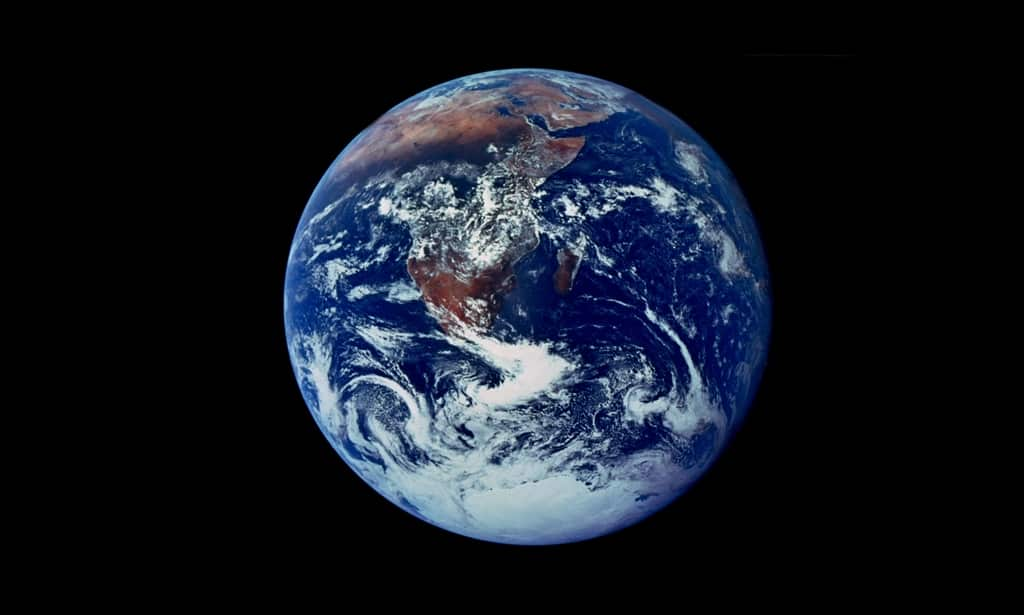
There are several scenarios in which humanity could end, and philosopher Nick Bostrom has classified them into four main groups; bangs, crunches, shrieks and whimpers. A nuclear holocaust is filed under humanity ending in a bang, with the cheery reminder that the US and Russia both retain huge stockpiles of nuclear weapons, and any future arms race between nations could make use of the world’s ever-increasing supply of plutonium.
Also classified under 'bangs' is the notion that the computer simulation in which humanity is encased will suddenly be switched off, an idea that 'should be given significant probability', according to Bostrom.
Being switched off sounds quite the best case scenario, considering the alternatives.
Runaway global warming is the last on Bostrom’s list of bangs that could end intelligent life on Earth, and yet at this stage it seems the most probable. The philosophers confidence that we will have the technological means of counteracting climate change 'by the time it would start getting truly dangerous' dismisses the fact that it already has, and governments around the world are variously in states of denial or instituting half-measures that will probably not effect the change required.
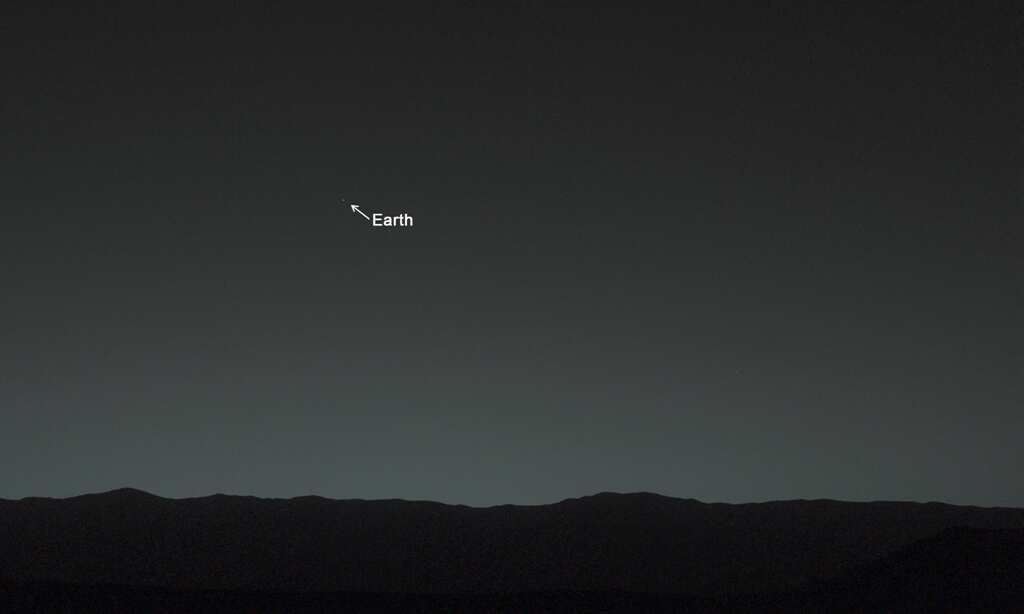
The Fermi paradox explores the contradiction between the substantial probability that extraterrestrial civilisations exist, and lack of evidence for any such extraterrestrial life. One of the most convincing theories posited to resolve the paradox is that upon reaching a certain level of sophistication, an intelligent civilisation will eventually face a test that inhibits their technological advancement. We haven’t encountered alien life forms because they have been tested, and failed.
If The Great Filter isn’t in our past and we haven’t already passed the test that intelligent civilisations face as they develop advanced technology leading to intergalactic colonisation, it must be in our future, Bostrom speculates.
The accelerated technology of weapons during the World Wars is generally believed to have led the human race to the brink of total destruction, but sanity and arms control accords prevailed. Because of this, some thinkers assume (perhaps rightly) that humans have already passed the Filter test. But perhaps climate change is the real test, and humanity’s Great Filter will see us end not with a bang but with a whimper.
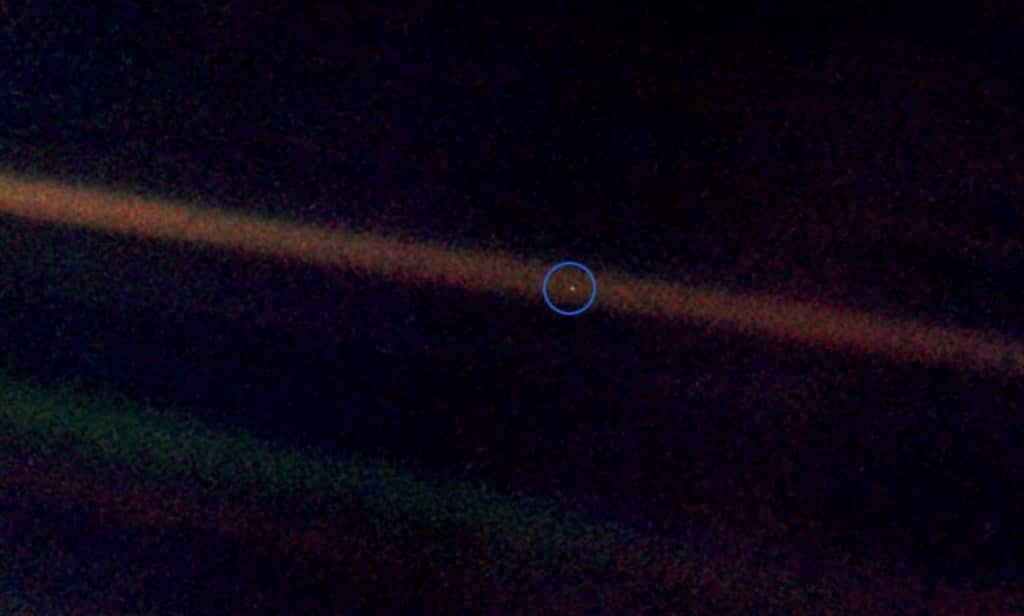
If we’re not willing to suffer the inconvenience of having to give up our carbon-heavy lifestyles (or 'materialistic ways', as our old friend Helmuth might put it) and destruction by slow roasting is our fate, it might be time to look at other options for human extinction.
Death by climate change sounds long and painful – in fact it would be more appropriate to file it under 'crunches' along with resource depletion and ecological destruction. We can’t rely on a computer simulation shutdown, so perhaps war-mongering is the way to go. However horrific nuclear holocaust sounds, at least you’d be unlikely to survive for long.
The war-mongering Helmuth von Moltke is famous for the truism 'no battle plan ever survives contact with the enemy'.
Maybe it is time humanity devised a new plan.
Anne Treasure works in communications, is a recent survivor of the book industry, and exists mainly on the Internet.





