If you don’t live inside the inner Sydney bubble, you may have missed the kidnapping and subsequent return of Kevin Bacon and Bradley. Bradley, a lamb, and Bacon, a pig, were snatched from Alexandria super-café The Grounds in the dead of night and found last week on a farm in rural Victoria.
It was the stuff headline writers’ (and publicists’) dreams are made of. But I’m just glad the little tackers are OK and didn’t end up on a charcuterie plate somewhere. That would just be wrong.
Which gets us to the the biggest unanswered question about the whole episode (apart from the identity and motivation of the pignappers): why does a purveyor of bacon and egg rolls have a pig in the first place?
While an Instagram-able a pig in an ersatz agricultural setting is a great example of how little people actually think about their food, this isn’t about Kevin Bacon. “Foodie” culture has made concern with the origins of one’s food a middle class badge of honour. But it tends to have everything to with status symbols and very little to do with animal welfare and food ethics.
In some parts of Sydney, you’d be better off admitting you have a sex slave locked in the basement than a dozen caged eggs in the fridge. It’s not that eating free range is bad - it’s admirable - but conspicuously consuming one ethical product while ignoring the implications of others is a total cop-out.
“There seem to be people who are concerned with having these products, but there’s not much point making a fuss over organics if you eat fast food a couple of times a week,” says author and nutritionist Dr Rosemary Stanton.
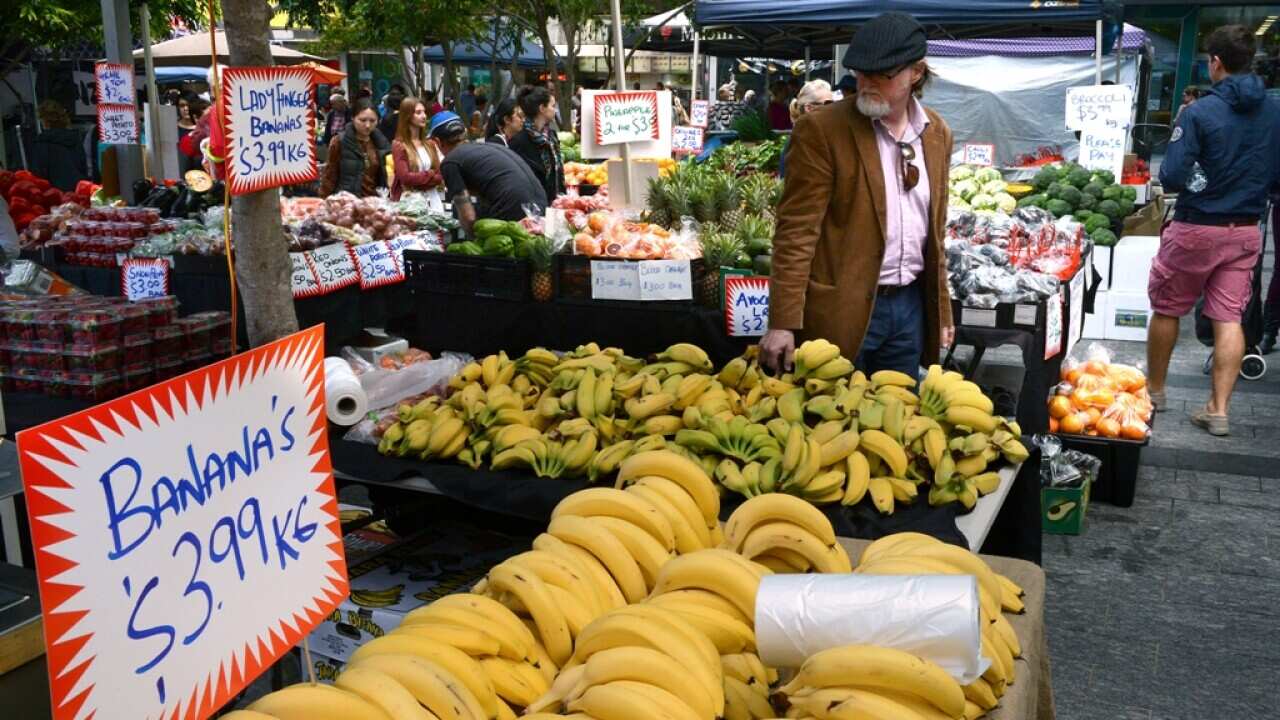
Take Jack*, a shop assistant at a butcher at a popular Sydney farmers’ market. The meat he sells is the definition of “farm to table”, but it’s not certified organic. As a result, many market-goers turn their nose up at it. “But when I ask them what they think organic means,” says Jack, “they have absolutely no idea.”
And they’re not alone. A 2007 study by Deakin University found that 49% of those surveyed thought organic foods were more nutritional. They’re not.
“Frankly there’s not much difference between one carrot and another, for example, whether they are organically grown or not, they’re all going to fall in to the same ball park in terms of nutrition,” says Dr Stanton. “They don’t have pesticide residue on them, though, and that should be enough.”
Perhaps things are moving in the right direction; last week ABC’s Lateline reported on the growing stouche between animal welfare activists and the pork industry. Judging by the reaction on social media, many were shocked to learn the way pigs (even supposedly free range pigs) are raised in this country.
Eating ethically is incredibly difficult. It can be expensive. Food labelling is a minefield. I know I don’t come anywhere close to doing it myself. Virtually nobody does. So let’s work harder to find healthy and environmentally friendly ways of eating, rather than patting ourselves (or Kevin Bacon) on the back.
*Names changed to protect sources from the organic food mafia
Share


