The island of Bali has pledged to be free of the rabies by 2020 and has begun culling stray dogs in an effort to control the virus.
Rabies was first detected in Bali in November 2008 and has since claimed 147 lives, including one fatality so far this year.
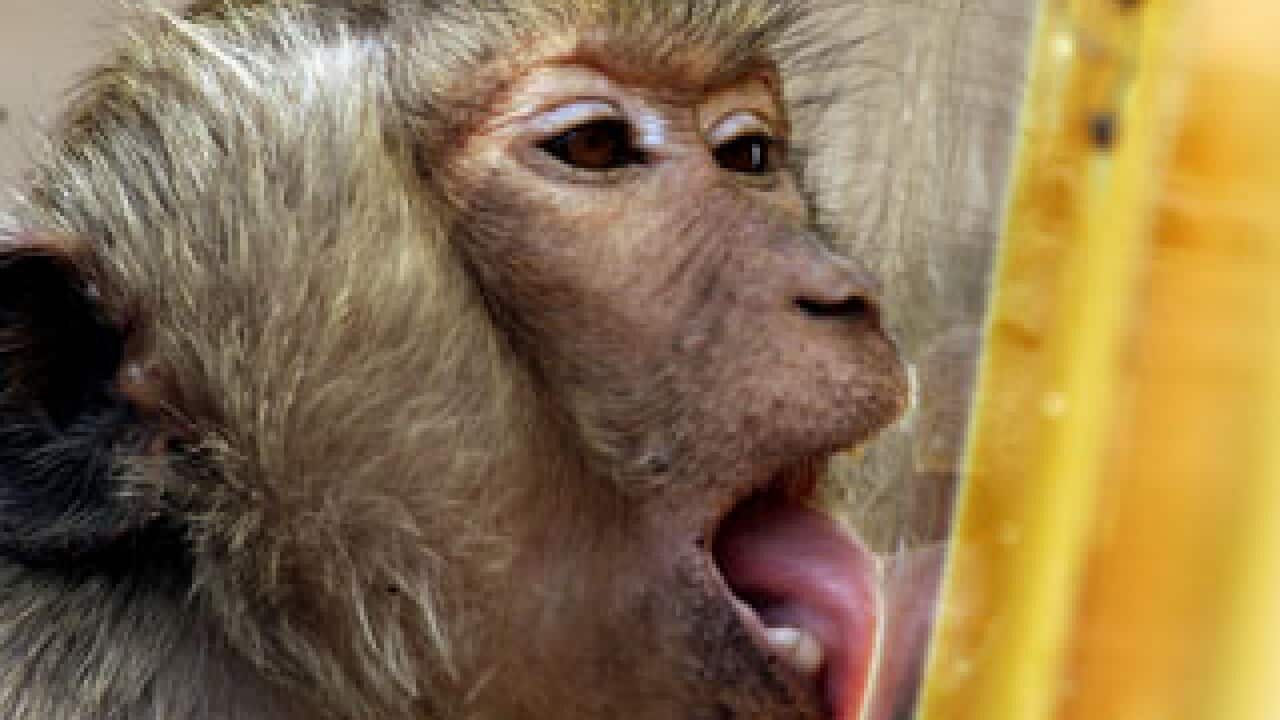
When travelling to Bali or other affected countries, it’s important to avoid direct contact with all dogs, cats, monkeys and bats. But you should also know how to respond if you are bitten or scratched.
Transmission
Rabies is present in most countries but causes most harm in developing countries. More than 55,000 people die of rabies each year, most of whom are from Asia and Africa and are aged under 15 years.
The disease is carried carried by feral carnivores – such as dogs, wolves, cats, raccoons and skunks – as well as monkeys, and bats.
Classical rabies is very rare in Australia, and local infections can all be traced to overseas exposure. But Australian bats do carry a rabies-like virus (bat lyssavirus) that causes a fatal illness. Three Queenslanders have died after being bitten or scratched by bats carrying the lyssavirus.
Human rabies infections are caused by transfer of saliva from a bite or scratch from an infected animal.
If you are bitten or scratched, immediately wash the wound with soap and water, and treat it with an antiseptic containing povidone-iodine, which kills the virus. Then seek medical attention, as the disease can reliably be prevented with vaccinations immediately after exposure.
Without post-exposure vaccination, the virus travels along peripheral nerves to reach the central nervous system. Once the infection is established, the virus spreads throughout the nervous system.
Symptoms
Symptoms most commonly appear three to eight weeks after exposure, but may take many months or a year.
Scratches or bites on the face have a shorter incubation period than those on the limbs because the distance from the skin to the brain is shorter. In such cases, symptoms may appear just nine days after the original infection.
The illness starts with headaches, fever, malaise, and a sense of anxiety. This is followed with signs of an acute brain infection, such as paralysis, muscle spasms, delirium, aggressive outbursts, seizures, and loss of consciousness.
Pharyngeal muscle spasms may also cause difficulty swallowing and inability to drink water, a condition called hydrophobia.
Without medical treatment, death usually occurs less than a week after the onset of illness. Even with comprehensive medical treatment, death is inevitable once the patient develops symptoms.
Treatment
People travelling to rural areas in rabies-endemic countries and other high-risk groups should consider pre-exposure vaccination for protection in case you are bitten or scratched. Travel medicine specialists can advise you of your individual risk.
After a bite or scratch, there is no advantage in getting tested for rabies; post-exposure treatment is very effective in preventing the onset of rabies and death, and should begin immediately.
Post-exposure treatment has three components: immediate treatment of the wound, active vaccination with rabies vaccine (HDCV), and treatment with human rabies immunoglobulin (HRIG).
Immediate treatment of the wound is most important. After washing thoroughly with soap and water for a minimum of 15 minutes, medical staff will carefully decontaminate the wound (which won’t be sutured unless absolutely necessary).
The potentially long incubation period for rabies means that effective post-exposure treatment can, if necessary, be started as late as six months after exposure, but early treatment is preferable.
Charles Watson does not work for, consult to, own shares in or receive funding from any company or organisation that would benefit from this article, and has no relevant affiliations.
Share


