
The World Cup, currently underway in Brazil, has offered lots of opportunities to watch great football and also to miss hours upon hours of precious and needed beauty and brain sleep.
As a year-round football fan, and Twitter fan almost every second of the day-round, it has been particularly interesting to watch the games live and track the reactions of people globally. This is the first World Cup since I’ve become properly engaged (to) with Twitter, and it has been intriguing to witness the vast array of reactions to such a huge event – particularly for the games featuring Team USA.
I discovered that I was following a lot more Americans on Twitter than I realised when my computer almost exploded after USA’s opening goal was scored against Ghana in their first game. A similar spectacle occurred after the USA gave away the ball for Portugal to score and tie in the dying seconds of their last game, but that time it was more an explosion of shock and confusion. All the usual emotions that come along with football have been present over the past week. There’s the quick discovery by some of what it feels like to be a football fan, along with a fast yet deep emotional investment in the success of your team.
I suspect almost nobody cheering the ‘Aussie Stingers’ to gold at the 2000 Olympics went on to follow the women’s water polo league through 2001.
The excitement of a goal, the delirious happiness at your country (100:1 to win the Cup) coming out the victor in unexpected games, and the crushing disappointment when they find a way to lose from a winning position. A lot of people who thought soccer was boring and long (while watching 162 three-hour baseball games a season), or who had thought soccer lacking in action (while watching a sport like NFL where the ball is actually only in play 11 minutes of a game) suddenly showed excitement over soccer.
They also showed confusion and anger over some of the rules, especially the part where extra time is added on at the end of a game, as it was in this time that Portugal scored to tie the game. They found that they did not agree with this rule.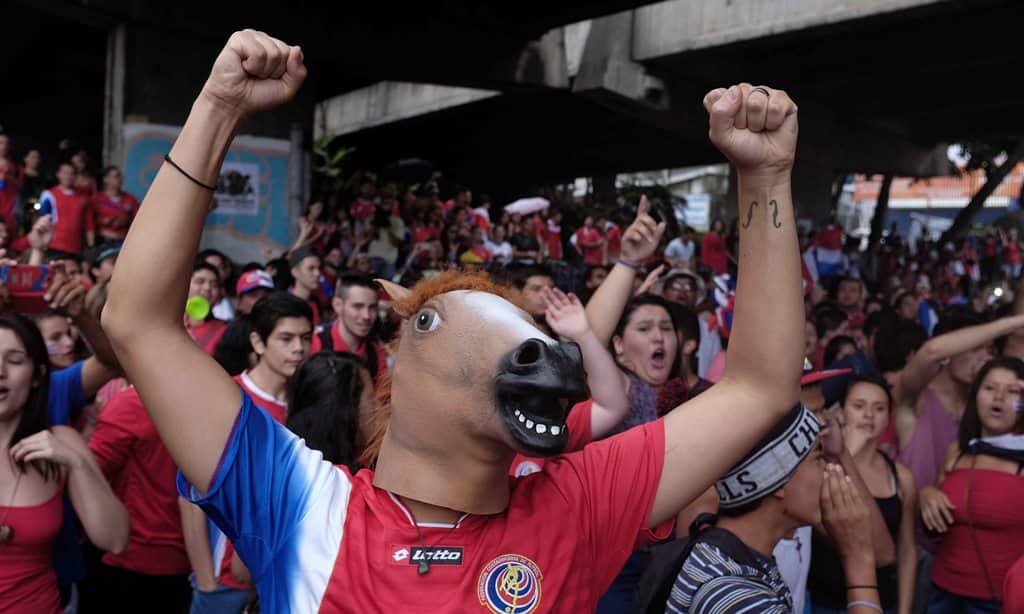 But all of this does not apply only to America. There are plenty of Australians who only watch football (or Tim Cahillball as they know it) once every four years, just as there are plenty of Americans who do play, love and support football all of the time.
The backlash against ‘bandwagoners’, a concept that rears it head around any major sporting event, has been strong and true, especially in reaction to our excited American friends. The dictionary (an online one of course, I am very hip) describes a Bandwagoner as “a person who takes part in or becomes enthusiastic about something only when it is popular or fashionable”. In this case, it can be expanded to “people who only become enthusiastic about a football team when it is winning”.
Of course, I totally understand the resentment of fans who stick by their team whether they are winning or losing when (as during the A-League season) 30,000 supporters you haven’t had the chance to spill beer on during the regular season suddenly show up for the grand final and get all of the glory and excitement and Instagram photos with none of the hard work.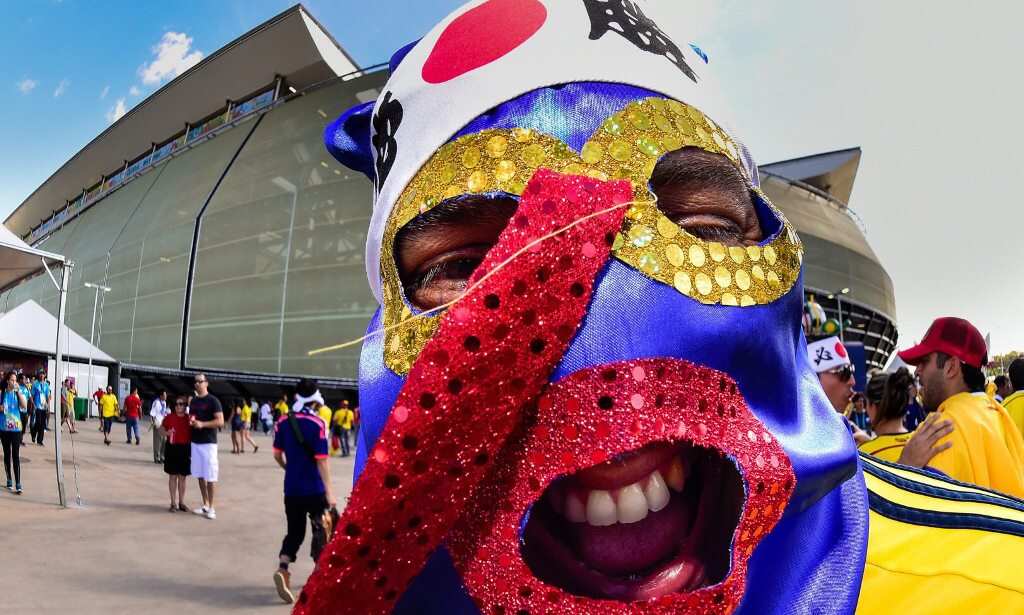 But this is the World Cup. This is a different beast. This is a spectacle. The people tuning in to cheer on the USA who are confused about the simplest rules, or act like they are experts after two games, are you. They are you when you tune in to watch Australia or America or whatever your country is when they are competing for the gold medal in women’s water polo at the Olympics. I suspect almost nobody cheering the ‘Aussie Stingers’ to gold at the 2000 Olympics went on to follow the women’s water polo league through 2001. Obviously, football is a much bigger sport. And that’s even more reason to accept the bandwagoners with open arms.
If they feel included and excited to be involved in the sport, maybe they will go on to become fans. Maybe they’ll start supporting the team that represents their city. Maybe they’ll support their much much much more successful women’s national teams – the Matildas and USWNT – at next year’s Women’s World Cup in Canada.
If you love a sport, surely you want what is best for it. More fans (no matter how fair-weather) tuning into games, more people cheering for a team, buying merchandise – these can unquestionably only be positive steps for the future.
Just don’t let the easily influenced watch Luis Suarez play, lest it come back to bite you.
Share


