Deny thy father and refuse thy name.
Or, if thou wilt not, be but sworn my love,
And I’ll no longer be a Capulet.
Or, if thou wilt not, be but sworn my love,
And I’ll no longer be a Capulet.
Romeo and Juliet, Act 2 Scene 2
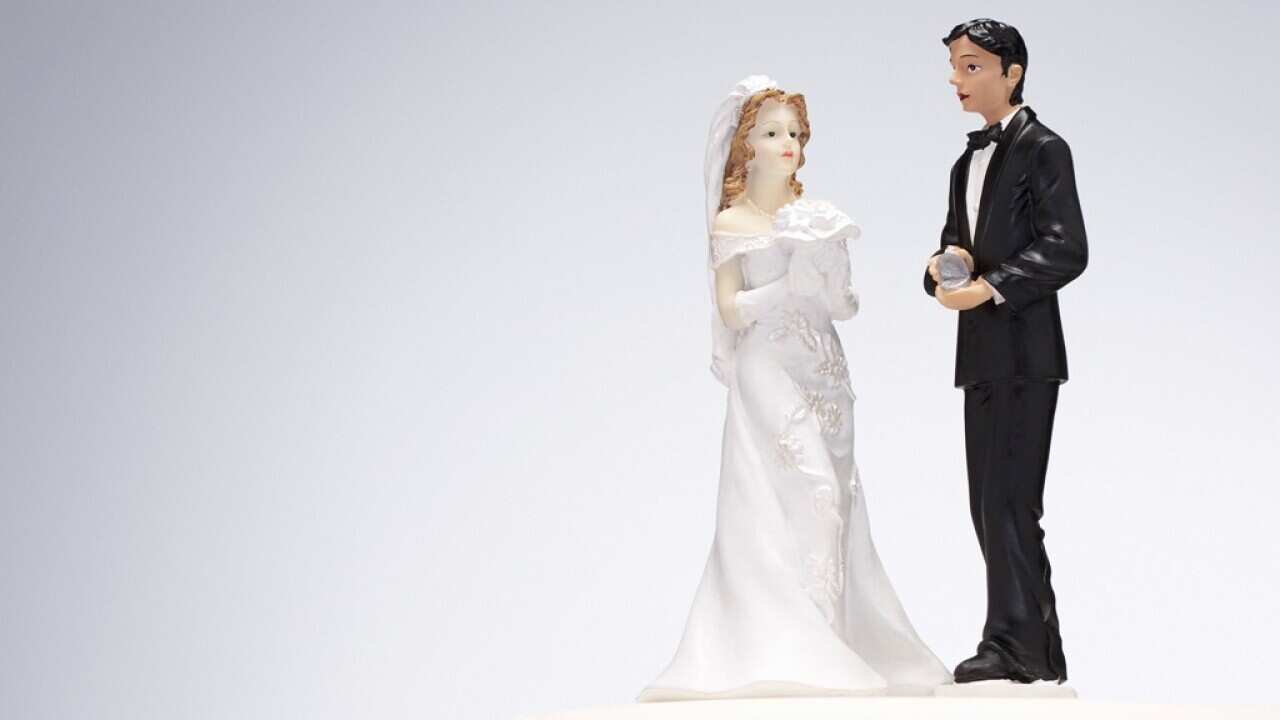
This 400 year-old quote seems remarkably modern alongside the small furore that swept some parts on the Internet following the publication of this piece railing against traditional weddings and women taking their husband’s name.
‘Another comrade has fallen. Another secular, strong-minded, sexually-liberated, independent Gen-Xer is giving up her name to a man…’ bemoans writer Zoe Holman, completely ignoring the fact that two people have gotten married. All judgement, resentment and denouncement fall on the ‘fallen’ women.
Why is there an expectation that choices around marriage and the wedding are entirely the woman’s responsibility? She is to be condemned for wearing white, being given away, changing her name, while no thought whatsoever is given to the delicate negotiations and compromises that go into building a marriage beyond the ceremonies of the wedding. It’s as though men simply pop the question and rock up in a tux on the big day with no involvement in anything in between or afterwards.
What’s in a name? That which we call a rose
By any other word would smell as sweet.
By any other word would smell as sweet.
Romeo and Juliet, Act 2 Scene 2
There is a perplexing notion that a women’s whole identity revolves around her name. ‘They [maiden names] have been cast off for the happy tags of "Mrs X", as if to proclaim “forget who I was before – I am now loved, wanted and owned by a MAN!”, Holman says, as though who they were before was entirely comprised of their surname and who they are now is a possession, based purely on a on the bunch of letters that follow their given name.
Many women take their husband’s name for legal purposes and paper work, but use their maiden name for professional purposes and day-to-day life. Are they half-people with half-identities? Are they required to hand in half of their feminist card?
Marriage and name changes are very personal decision. Yes, the personal is political. Decisions are not made in a vacuum outside of tradition and societal expectation. But demanding women justify their decisions to self-appointed feminism police lest we turn back women’s liberation by 50 years is completely counter to the generally accepted aims of the feminist movement.
It is not the role of the feminist movement to prescribe the way women live their lives. The role of the movement is to empower women to make their own choices - even if other feminists don’t agree with them.
I’m not arguing that choosing a traditional wedding or taking your husband’s name are ‘feminist choices’. But I would argue that they are decisions a feminist can make. People make these decisions within the context of their own lives, their own family and their own relationship. It’s perfectly reasonable for close friends to enquire about these decisions.
But demanding a ‘damn good answer’ is not an open discussion, it’s an inquisition.
Taking the feminist high ground and using that position to judge and condemn other women for their personal choices is ironic at best.
Share


