In brief
- The 2026 Commonwealth Games in Glasgow, originally to be held in Australia's Victoria, looked different from previous editions.
- Still, Australia proved to be the team to beat, holding a commanding lead in the gold medal tally.
The Australian athletics team had its biggest one-day medal haul at the Commonwealth Games on Saturday, ending with a peculiar medal ceremony in a near-empty stadium.
Hours after the Games' athletics program ended, the Aussie men's sprinters were still waiting for their victory to be confirmed after protests over the other podium placings.
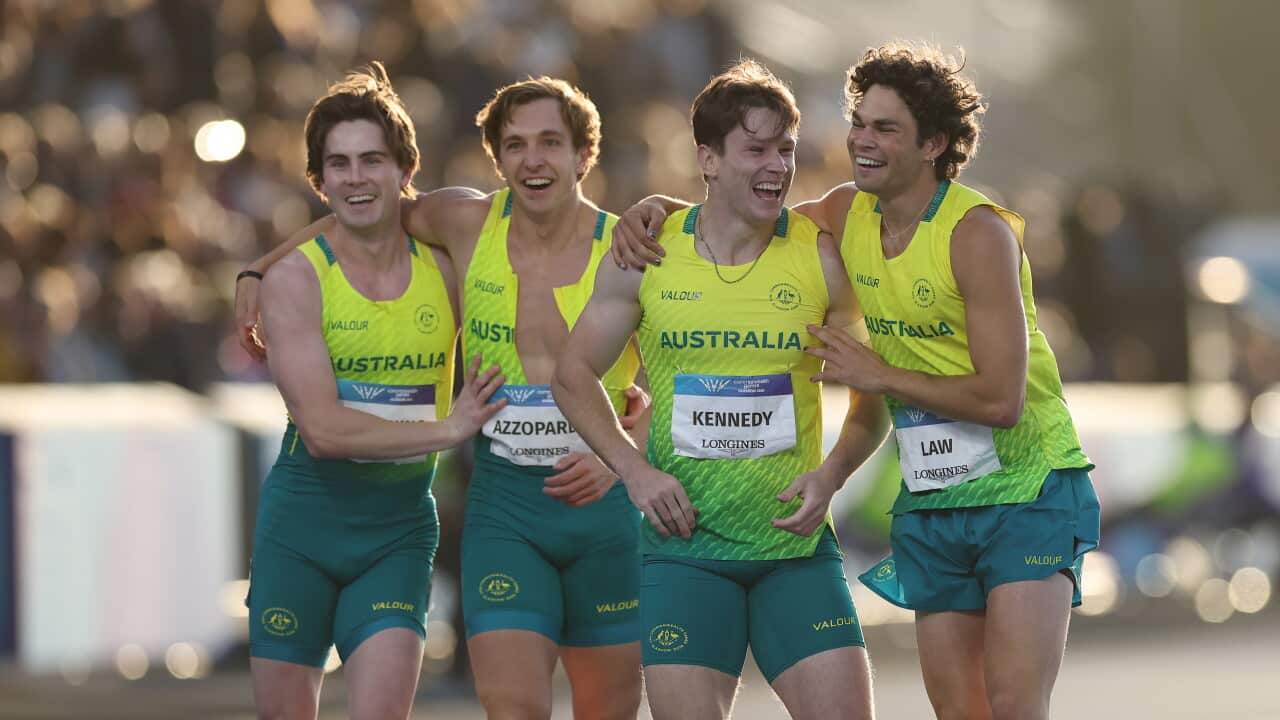
When the 4x100 relay team collected their medals in a makeshift ceremony along with the Canadian silver and Nigerian bronze medallists, the clock was ticking towards midnight.
The crowds at Glasgow's Scotstoun Stadium were long gone, with less than a hundred people remaining — mostly made up of Games officials, team staff, journalists and volunteers.
It was an odd ceremony for a major championship, with Australian winner Josh Azzopardi admitting with a smile: "That was crazy! We'd been waiting around not really knowing what was going to happen. It's definitely unique."
News that makes sense
Your trusted source for staying up-to-date with the world around you. Get free daily news updates and analysis, straight to your inbox.
"We won gold, felt like it was ages ago now," said his teammate Lachlan Kennedy.
The holdup was the result of Canada's protests over their initial disqualification for a supposed illegal changeover, which was first upheld and then deliberated upon by the jury at great length until Canada was cleared for the silver.
It was an unusual conclusion to Australia's most successful athletics day ever at the Games, with a record haul of seven gold medals and 17 medals in total, including two events where the Aussies swept the podium.
Australia's previous record was set more than 70 years ago, with six gold medals and 11 medals in total in 1950.
It capped off the penultimate day of a stripped-back Games that had been quirky from the outset.
Why were these Games different?
Victoria was originally supposed to host, but withdrew in 2023 due to rising costs. At the time, it prompted some to question the relevance of the Games and whether the event had a future at all.
The following year, organisers announced that Glasgow would step in as host city, with its Games to be supported in part by money from Victoria. The Victorian government had to pay a compensation of $589m including a $380 million settlement to cancel its hosting obligations.
While the Games has always had fewer sports and athletes than the Olympics, the 2026 event was even more pared back.
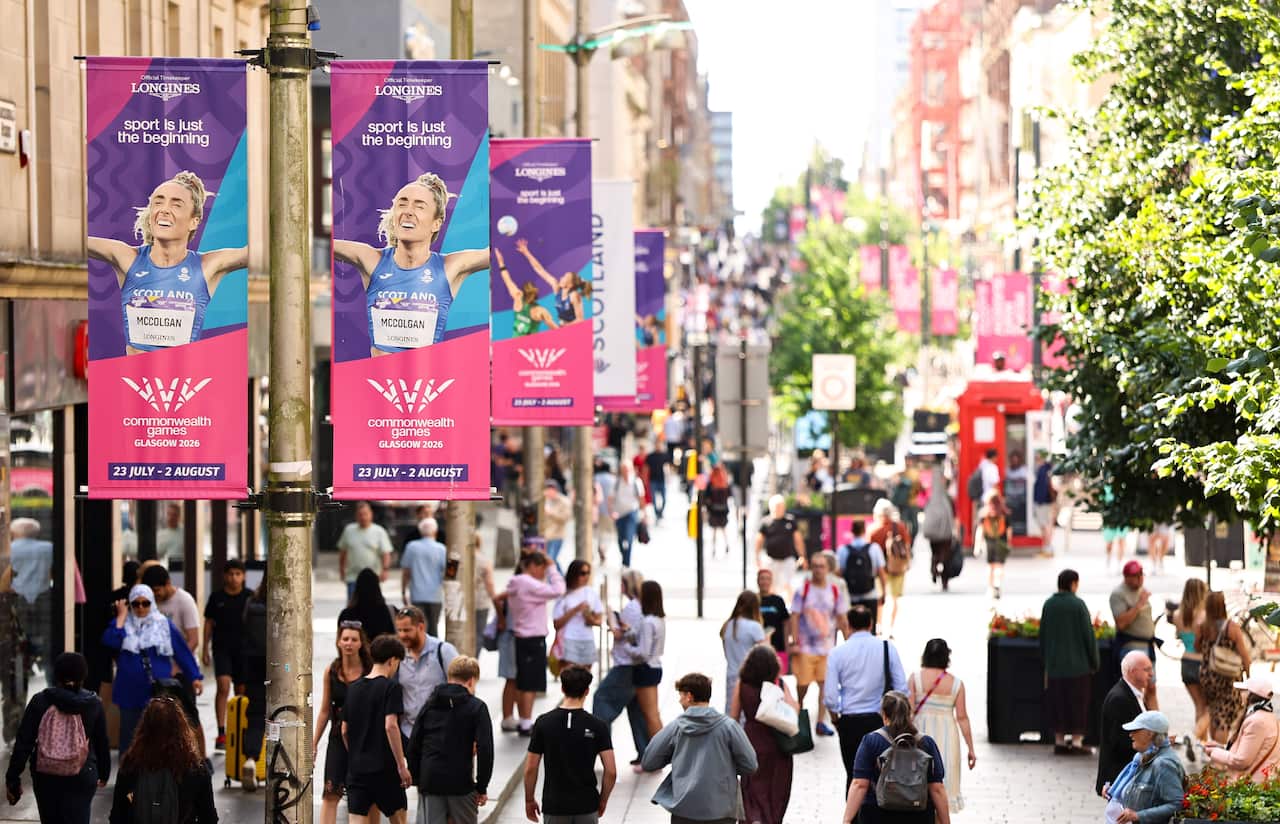
The 2022 Birmingham Games featured 20 sports and more than 5,000 athletes, while Glasgow hosted just 3,000 athletes competing in ten sports.
Some onlookers said the vibes in the city were vastly different to 2014, when it last hosted the Games.
Michael Gleeson, sports columnist for the Nine newspapers, said the event was winnowed back so far "that in Glasgow, you barely know the Games are on".
Australia's moments to remember
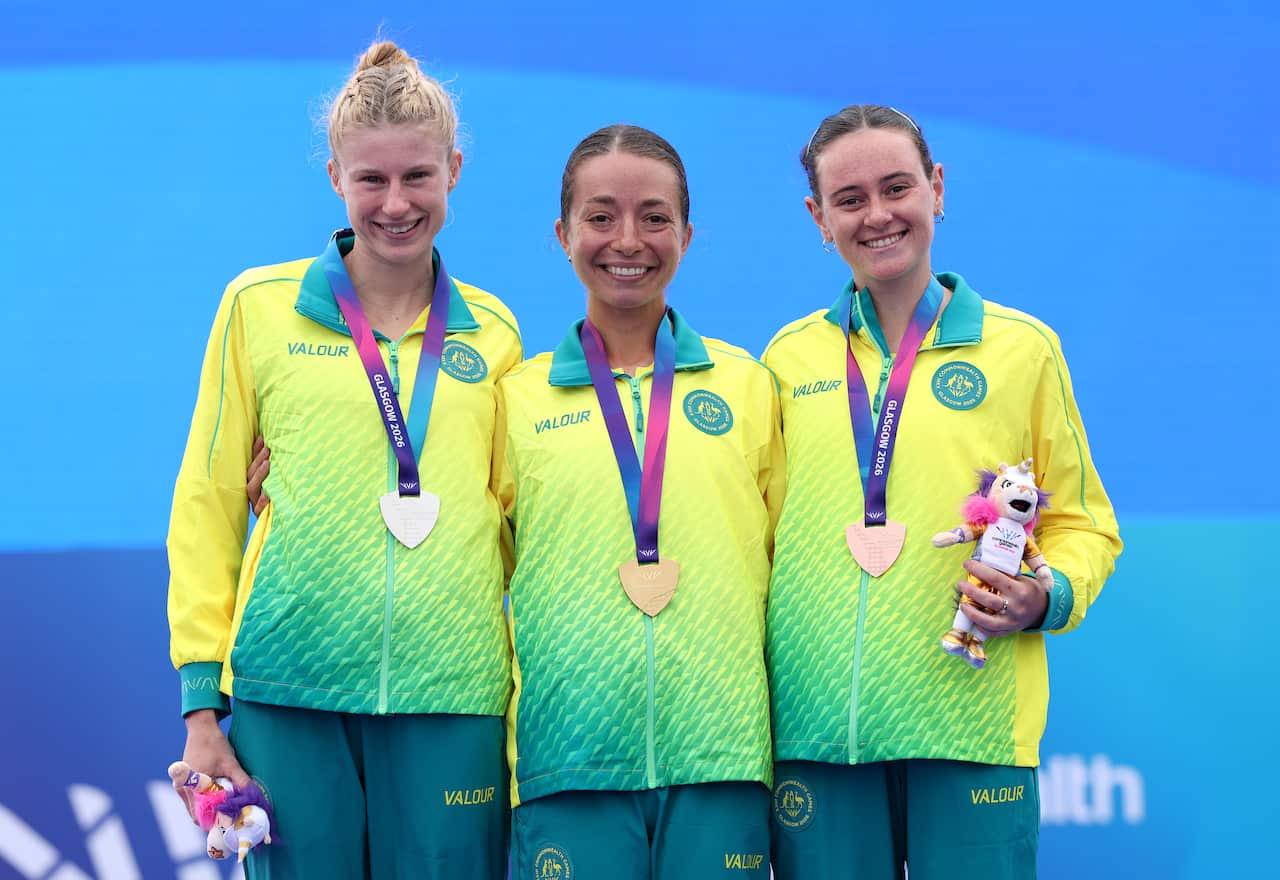
In its blockbuster final day, the Australian athletics team secured two podium sweeps — first in the women's 10,000m race walk thanks to one-two-three finishes by Jemima Montag, Elizabeth McMillen and Rebecca Henderson, then in the women's mile with Abbey Caldwell, Jessica Hull and Claudia Hollingsworth.
Ending a 52-year drought, Kennedy, Azzopardi, Calab Law and Rohan Browning were the first to win gold for Australia in the men's 4x100 relay since 1974.
Kurtis Marschall pulled off a three-peat in the pole vault, nabbing his third consecutive gold and setting a new Games record of 5.85m.
"I'm planning on never quitting. I want to do this forever and go to every Comm Games ever. Let’s keep it rolling," he said afterwards.
Earlier in the week, Australia dominated in the pool, setting its own new record haul of 37 gold, 16 silver and 23 bronze medals.
Kyle Chalmers earned his tenth Commonwealth Games gold, topping Ian Thorpe as Australia's most successful male swimmer at the event.
In the gym, Georgia Godwin became Australia's most decorated female Commonwealth Games gymnast, staging a remarkable comeback after an injury dashed her hopes of competing at the Paris Olympics.
Heading into the final day of this year's Games, Australia was leading the medal board with 65 gold medals, 41 silver and 52 bronze.
The ones that got people talking
The late-night medal ceremony wasn't the only unusual moment of the Games.
The opening ceremony was full of flair, featuring flaming teacakes, bedazzled unicorns and King Charles emerging from a TARDIS — a time machine made famous by the British sci-fi show Doctor Who.
While the 2026 Games attracted less attention than previous events, they still had their share of memorable moments, drama, and unusual decisions.
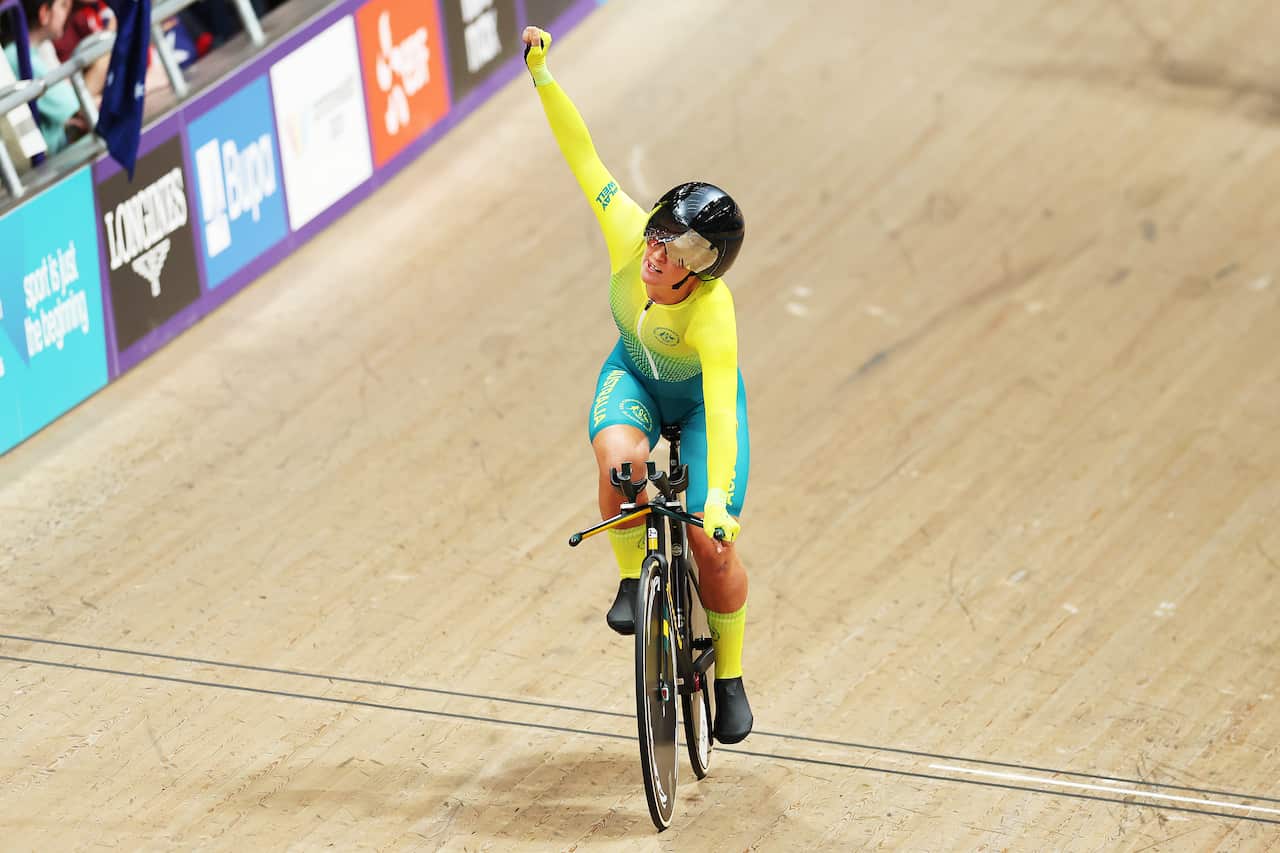
Australian cyclist Felicity Wilson-Haffenden was disqualified from her bronze medal race after officials ruled shoulder tape she was wearing for an injury caused a "morphological change".
Officials deemed the tape worn beneath her racing suit breached a rule prohibiting clothing or accessories from altering a rider's physical profile.
The decision sparked controversy and confusion because Wilson-Haffenden had worn tape on the same shoulder a day earlier without issue while helping Australia win gold in the women's team pursuit.
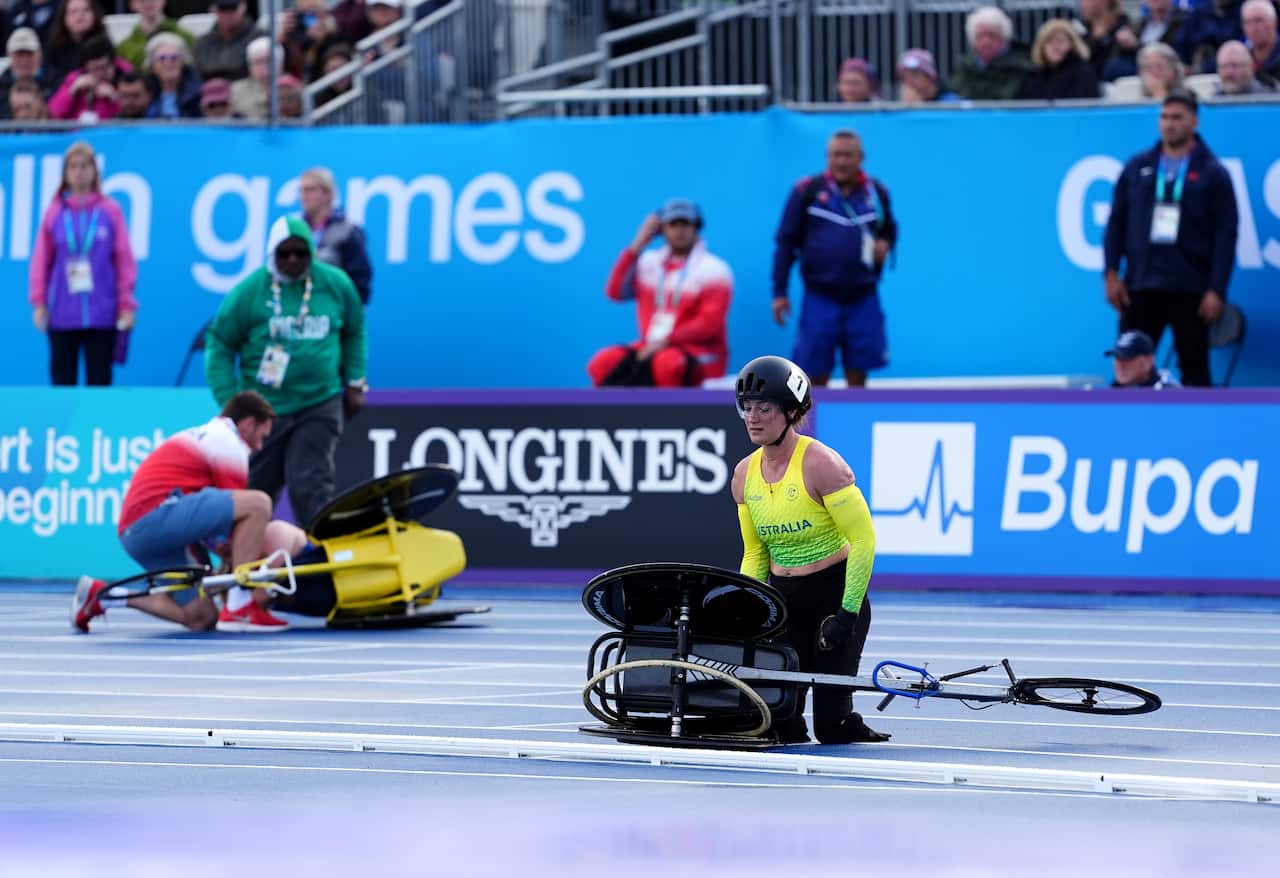
Another race that got people talking was the women's T54 1,500m final, which saw four crashes, three overturned wheelchairs, a disqualification and a series of appeals. Officials then decided the race would be held again nearly 40 hours later.
Australia’s Eliza Ault-Connell, who was caught up in the crash and successfully protested, ended up nabbing bronze in the re-run.
— With reporting by AAP
For the latest from SBS News, download our app and subscribe to our newsletter.







