
As Sydney faces plunging dam levels and concerns around its desalination plant, one expert believes water restrictions should be brought in sooner rather than later.
The city's water storage fell to 65 per cent this week, down about a quarter since last year, as NSW continues to be gripped by drought.
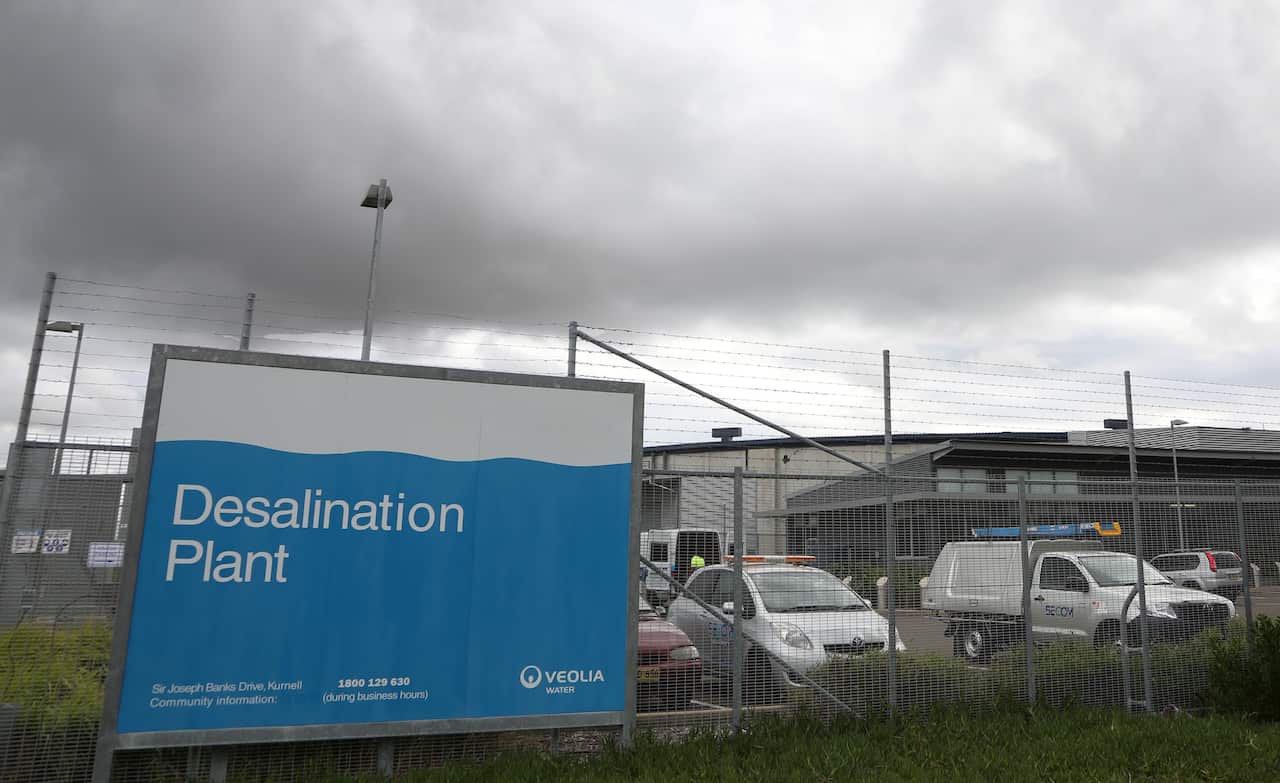
Should Sydney's storage dip to 60 per cent, water supplies are supposed to be added from the $1.8 billion desalination plant. At current rates, this may occur within months.
But the plant is yet to recover from tornado damage three years ago. It cannot even be turned on until December with several more months needed to reach full production of drinking water.
News that makes sense
Your trusted source for staying up-to-date with the world around you. Get free daily news updates and analysis, straight to your inbox.
This has prompted Professor Stuart Khan of UNSW's School of Civil and Environmental Engineering to suggest "level one" water restrictions be brought in at the 60 per cent threshold, instead of the demarcated 50 per cent trigger.
Level one water restrictions include limits on sprinklers, when garden hoses may be used and how vehicles are washed.
"The rate of decline is extreme," Professor Khan told SBS News, adding the past six months was "one of the fastest declines" of the city's water supply he'd seen.
"We haven't even started summer," he said, a time when the city uses more water.
And the Bureau of Meteorology's latest climate outlook forecasts drier than average conditions across most of Australia during September and October, with temperatures expected to be warmer than usual.
Professor Khan said that bringing forward water restrictions was a "reasonable substitute" for the faltering desalination plant.
He said when restrictions were last used in Sydney nine years ago, they saved as much water as the desalination plant would inject into the system.
"There is obviously a clear, well-developed plan in place ... [But] we need to be adaptive," he said.
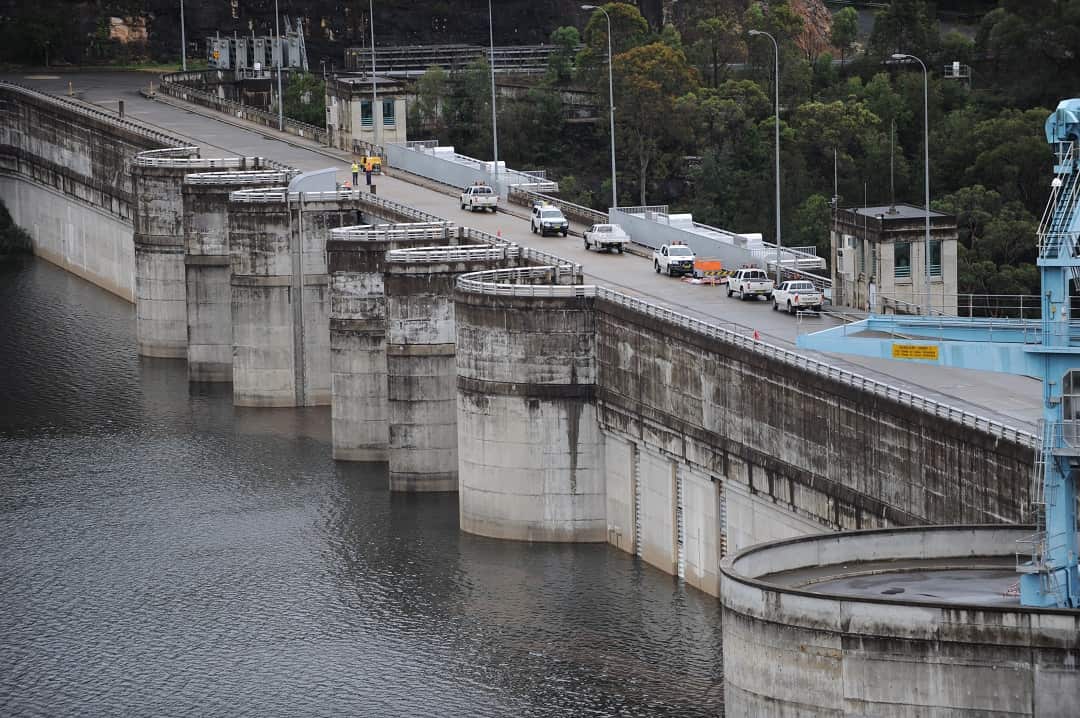
However, state-owned WaterNSW has played down concerns of a Sydney water shortage.
It said this week "Greater Sydney's water supply is large and secure, holding enough water to meet demand for at least two years, even in the highly unlikely event of zero inflows".
"WaterNSW projections confirm there is already enough water in the storages to ensure supply until at least mid-2020, and in some areas late-2021, even under the continuing drought," it said in a statement.
"Even under a repeat of the worst drought on record, Sydney's storage levels would only fall to around 30 per cent of capacity."
WaterNSW CEO David Harris said, "there is cause for the precautionary planning that is taking place by the NSW Government, WaterNSW and Sydney Water, but there is certainly no cause for concern."







