The Onkaparinga River meets the coast 30 kilometres south of Adelaide.
It is there, on a sunny riverbank, that a group of teenage girls are taking part in a very special photo shoot.
For some, it is the first time they have dressed in the costumes of their cultural heritage.
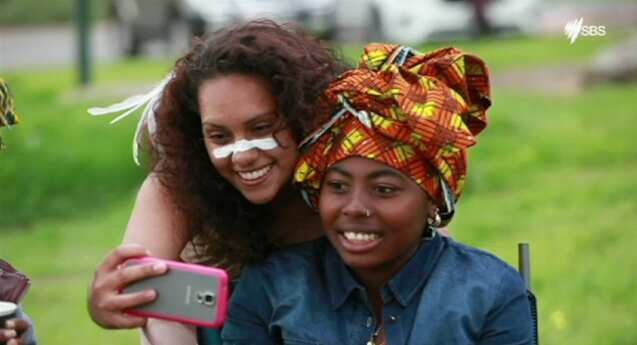
Originally from Uganda, Jane is one of the young women taking part.
"This group has made me want to learn more about my culture and get in touch with my culture, because, I guess, before I didn't really know that much about my background, or my history even."
News that makes sense
Your trusted source for staying up-to-date with the world around you. Get free daily news updates and analysis, straight to your inbox.
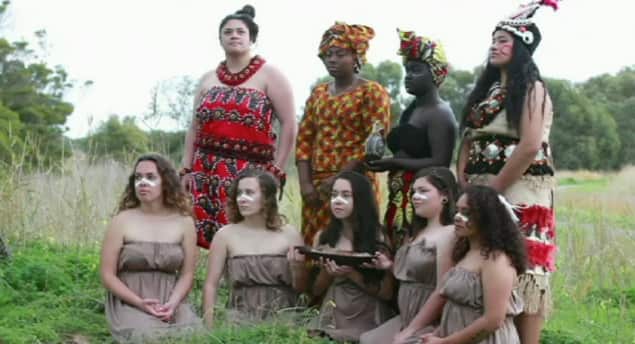
The group is called Cultural Connections.
Its members are from Indigenous, Pacific Islander and African backgrounds.
It began last year, in part as a response to a tragedy that left the small beachside community -- and some of its teenage residents, in particular -- devastated.
“I really believe that when you've got a strong cultural identity, you're more likely to make good decisions in life.”
Local Indigenous leader Jessica Wishart, who said she was “very worried” for the welfare of the girls at that time, searched for a way to support them.
“It was a critical time of the year for them because of what had happened,” she said.
“Last year, we had quite a few issues that were happening, throughout the school but, also, in the community that the girls lived in.
“All different issues -- issues from drug and alcohol abuse, there was a suicide, and just day-to-day issues, racism, all sorts of issues that the girls were dealing with.
“They were struggling, and they were finding it hard, you know, individually."
Seventeen-year-old Natarsha said Jessica’s attempt to unite the girls marked a turning point in her mood at the time.
"What brought my mood up was Jess had texted all of us girls, and we were going to go and see what she had organised."
'It's about a safe sharing space'
At the first meeting after Ms Wishart called the girls together, they came up with the idea of hosting a community dinner.
The dinner was a success, and the group started meeting more regularly.
With the help of an Adelaide-based organisation called Carclew, they began experimenting with looking at culture through the lens of art.
That lead to the cultural photo shoot project, as well as a number of public performances.
At the heart of each activity is an exploration of culture and heritage. That might mean cooking with traditional bush ingredients, or working with Indigenous artists such as singer Nancy Bates to develop songwriting skills.
Alysha Herrmann is the creative producer of Expressway Arts, working with Carclew and Cultural Connections to help facilitate projects.
"It's about a safe sharing space, and a safe conversational space,” she said.
“And that actual process of kind of going, 'Who are we? Where do we fit? How do we want to engage?' That, in itself, is actually an artistic and creative research process."
Jessica Wishart said the shared experiences have been a platform for growth, and bonding.
“I really believe that when you've got a strong cultural identity, you're more likely to make good decisions in life.”
'Don't be ashamed of who you are'
As the girls finish school and make steps towards further study and the workforce, Ms Wishart says she is seeing them increase in confidence.
“They're making better decisions about their future and they have an idea about where they want to go now.”
Jane said she has noticed a difference in herself since joining the group.
“I'm very proud of being a black woman. I'm very proud because I'm not ashamed of who I am and where I came from.
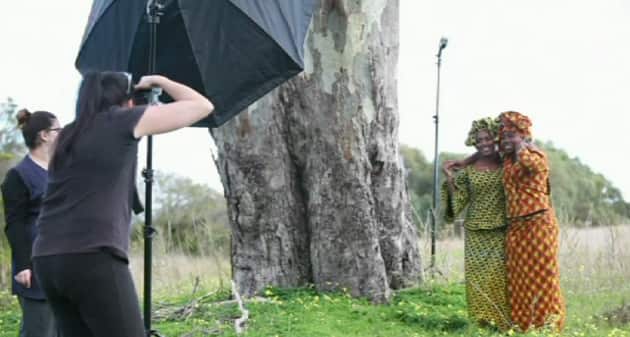
"My message to all the girls out there is don't be ashamed of who you are."
Natarsha agrees.
“I look forward to my future now, as I never did. I thought I would just push trolleys, you know [some] crappy job, but joining this group has opened my eyes a lot more to what it could be in the future for myself and that's something I look forward to.”
Jessica Wishart hopes the concept will continue next year, and would like to see it expand to help more at-risk young people in the region.
"I think the whole community can see, in just over 12 months, the girls have actually taken to this, and how much they've actually gotten out of it," she said.
"So there is a need; there's no denying there is a need for something like this."







