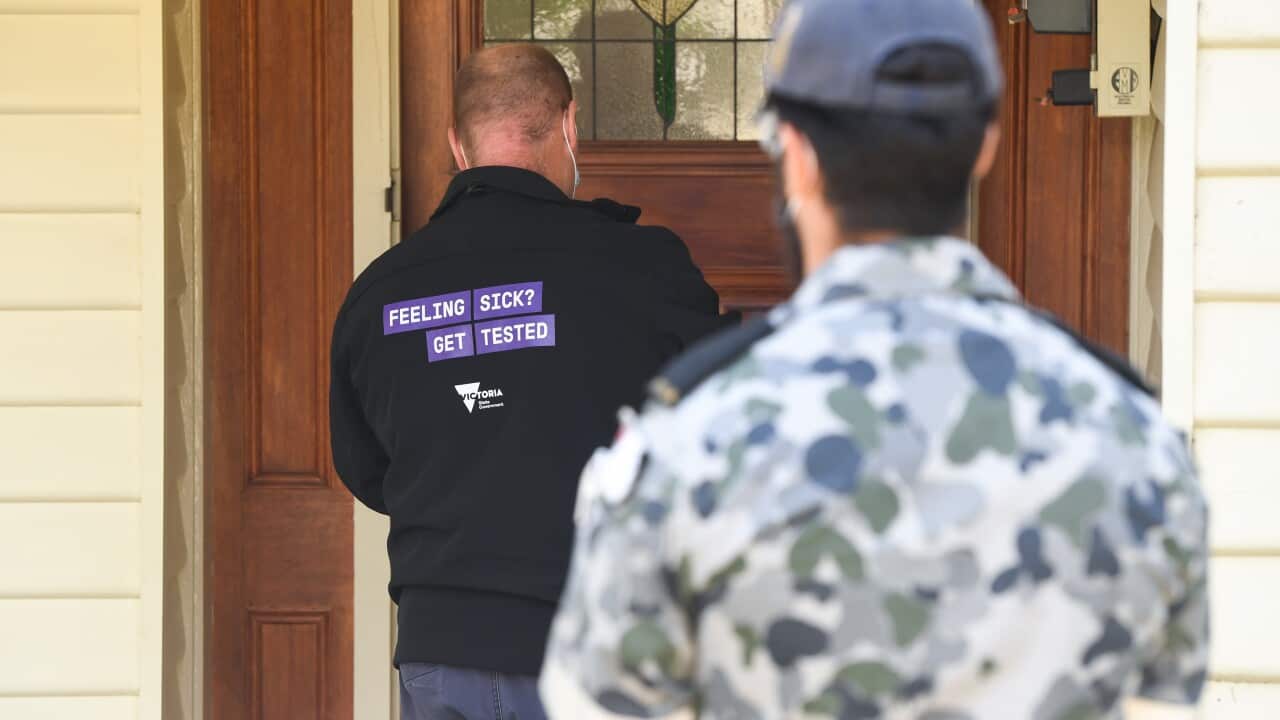
The Australian Medical Association has called for Victoria's health department to be "less defensive" and more transparent about its handling of the coronavirus pandemic.
AMA Victorian President Julian Rait said he was concerned about the culture within the Department of Health and Human Services.
"Culturally, there is a flaw in the department," he told a parliamentary inquiry into the state's contact tracing system on Monday.
"Open disclosure and honesty is what's expected of medical professionals, quite properly, and it's not something that's been modelled by the department at all.
"They have instead decided to be very defensive and keep their imperfections to themselves."
News that makes sense
Your trusted source for staying up-to-date with the world around you. Get free daily news updates and analysis, straight to your inbox.
Professor Rait urged the DHHS to be transparent about its contact tracing system, which has been overhauled following the state's devastating second wave of COVID-19.
He praised the appointment of Euan Wallace as DHHS secretary, following the resignation of Kym Peake last week.
"I hope that this is a turning point and that they understand that they need to be more self-critical and not defensive about shortcomings," Prof Rait said.
He also called on the government to accept the support of general practitioners, who have complained about being sidelined in the contact tracing and case management process.
Citing the outbreak at the Cedar Meats abattoir - the largest cluster of Victoria's first wave - he said there was a respiratory clinic just "four kilometres down the road".
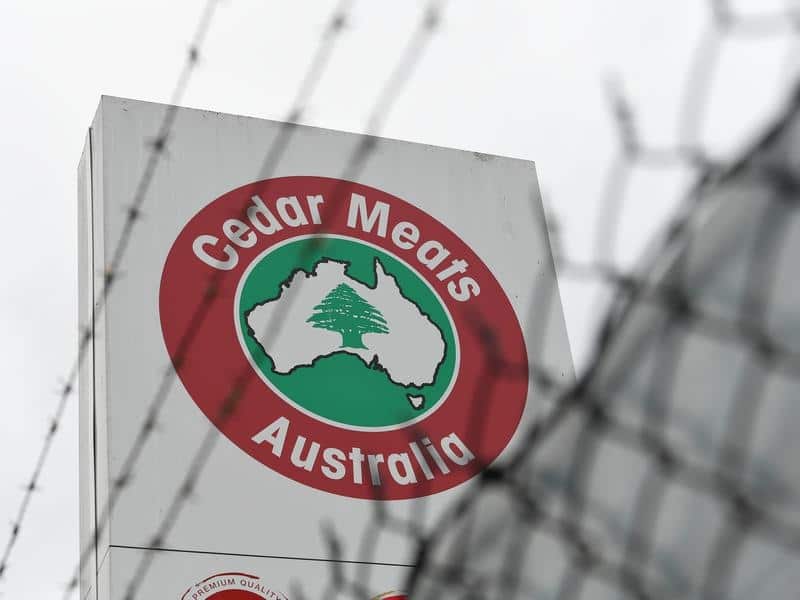
He said doctors at the clinic spoke Burmese, the first language of most abattoir workers.
"If they'd known about it (the outbreak), they could have actually reached out to many of those employees that were already known to them and encourage them to get tested," Prof Rait said.
He said communities worst-affected by COVID-19 included people who have fled their home countries and had a distrust of government institutions.
"They're obviously not going to trust officials ringing them or turning up, they will trust the local GP," Prof Rait said.
Pip Marlow from Salesforce, the US tech firm that provides the DHHS with its contact tracing software, also gave evidence to the inquiry.
She revealed Salesforce first offered its services to the government in March, but it wasn't until 24 July that the government requested a presentation from the company.
A contract between the two parties was signed on 28 August.
"I wouldn't want to speak on behalf of the department on why they chose to engage or not engage," Ms Marlow said.
She said the first phase of syncing the Salesforce system with Victoria's IT system has been completed and two more phases are underway.
Barwon Health's director of infectious disease Eugene Athan also spoke to how his local contact tracing team successfully controlled an outbreak at an abattoir in Colac.
"The vital lessons learned from our experience with COVID will be that having a local response to a public health emerging threat is vital," he said.
Professor Athan was optimistic the state could handle outbreaks that may emerge as borders reopen and international flights resume.
"We might expect small clusters or outbreaks that can readily be managed with rapid testing, early containment and support to those individuals," he said.
The Legislative Council Legal and Social Issues Committee, chaired by Reason Party MP Fiona Patten, is investigating whether the contact tracing system as it stands can handle future coronavirus outbreaks.
Public hearings continue on Wednesday.
People in Australia must stay at least 1.5 metres away from others. Check your jurisdiction's restrictions on gathering limits.
If you are experiencing cold or flu symptoms, stay home and arrange a test by calling your doctor or contact the Coronavirus Health Information Hotline on 1800 020 080.
News and information is available in 63 languages at https://sbs.com.au/coronavirus
Please check the relevant guidelines for your state or territory: NSW,Victoria, Queensland, Western Australia, South Australia, Northern Territory, ACT, Tasmania







