Anne Aly is considered one of Australia’s foremost experts on how to combat the radicalisation of Muslim youth.
Her research and practical experience have taken her to the White House as Australia’s only civil representative at US President Barack Obama’s summit on countering violent extremism last year.
She’s also a regular contributor to the national debate and has been bipartisan in her approach.
But the Egyptian-born mother of two says she's reached her peak and it’s time to throw her hat in the political ring.
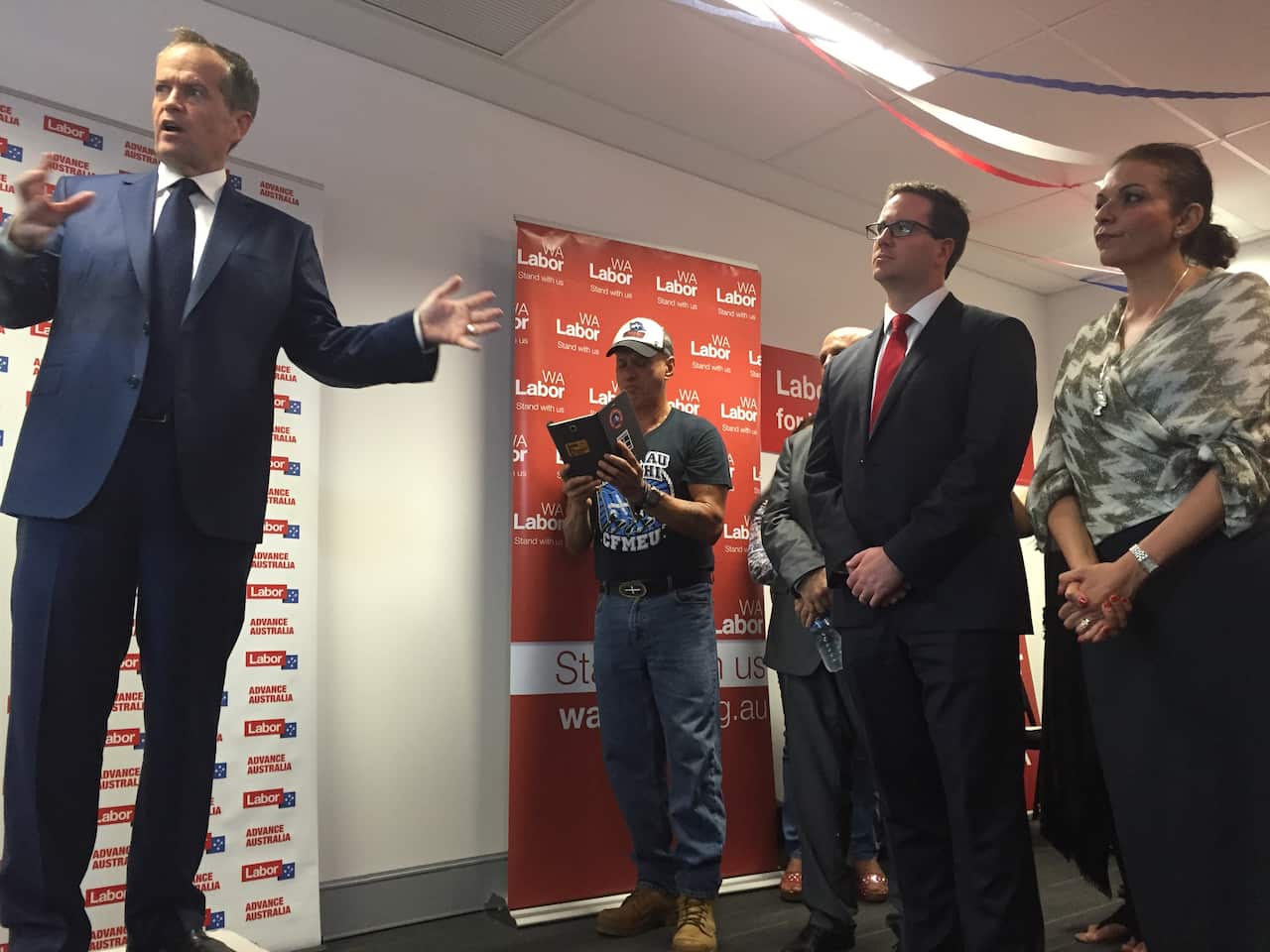
She will contest the West Australian seat of Cowan for the Labor party at this year’s election.
News that makes sense
Your trusted source for staying up-to-date with the world around you. Get free daily news updates and analysis, straight to your inbox.
"Australia's given me a lot of opportunities," she said.
"Australia’s given me a lot of privileges and it's my turn to give back by doing the utmost in public service, which is political representation for the Labor party."
De-radicalisation
Dr Aly said she hoped to continue her work on de-radicalisation if she entered parliament, but it might not be so easy.
"I get the idea of politicians being tainted, but I think that also comes down to individuals and I know that [what] people look for in political leaders is honesty, they look for integrity, they look for passion, and I believe I bring all of those things," she said.
Dr Aly is contesting the seat of Cowan that’s been held by Liberal MP Luke Simpkins since 2007.
Mr Simpkins, a former army officer, is renowned for his views on Halal meat, telling Parliament in 2011 that non-Muslims who ate the meat would be converted to Islam.
At the 2013 election he held the seat with a 7.5 per cent margin.
But the seat's been redistributed and the margin is four per cent. Many of the new voters in the seat's south eat Halal food.
Dr Aly, however, said she won't be campaigning on a Muslim platform.
"I am Muslim, but I have a huge commitment to secular democracy and I don't believe that religion has a place in politics," she said.
"So the platform, the image that I'm projecting here and who I am is somebody who believes in secular democracy and secular liberal democracy at that.
"So the fact that I'm Muslim is something that I prefer to keep a private thing because I practice my religion in private."
Campaigning
Political analyst Martin Drum from Notre Dame University said he expected both candidates to campaign on issues like infrastructure and transport to try to reach across the political spectrum.
"I think she’ll come across pretty well and she’ll present pretty well," he said.
"There’s obviously some parts of the electorate that she might appeal to a bit more than other parts of the electorate.
"But in every federal seat you really need to have a broad appeal across the seat, so the challenge will be to reach out to some different communities and advocate a broad message and campaign on a broad range of issues rather than one or two."
One issue bound to be raised is Australia’s asylum seeker policies and Labor's bipartisan approach to offshore processing.
Dr Aly is sticking to the party line, but said her "heart bleeds" for those held on Manus and Nauru.
"It's such a complex answer and I don’t pretend to have all the answers and I don’t think anybody has all of the answers," she said.
"It’s not just an issue of refugees. There's layers upon that, for example the issue of people smugglers and effectively what is human trafficking.
"What I do believe is that Australia cannot continue doing what it is doing now.
"I believe we need to have a much more humanitarian response to this and working with the UNHCR (United Nation’s High Commission for Refugees) we need a faster assessment and resettlement of people who come here."
Dr Aly said she hoped her transition to politics inspired the youth she worked with rather than turning them off because she was entering the political fray.
"I think my sons probably think of me as the prime minister of the house, so I think there are some crossovers there," she said.
"But no, I’ve had a lot of support from the young people that I work with and for them I think it’s about them being able to see a role model in Parliament. It gives them a sense that they can do things too because I come from the same background that they do."







