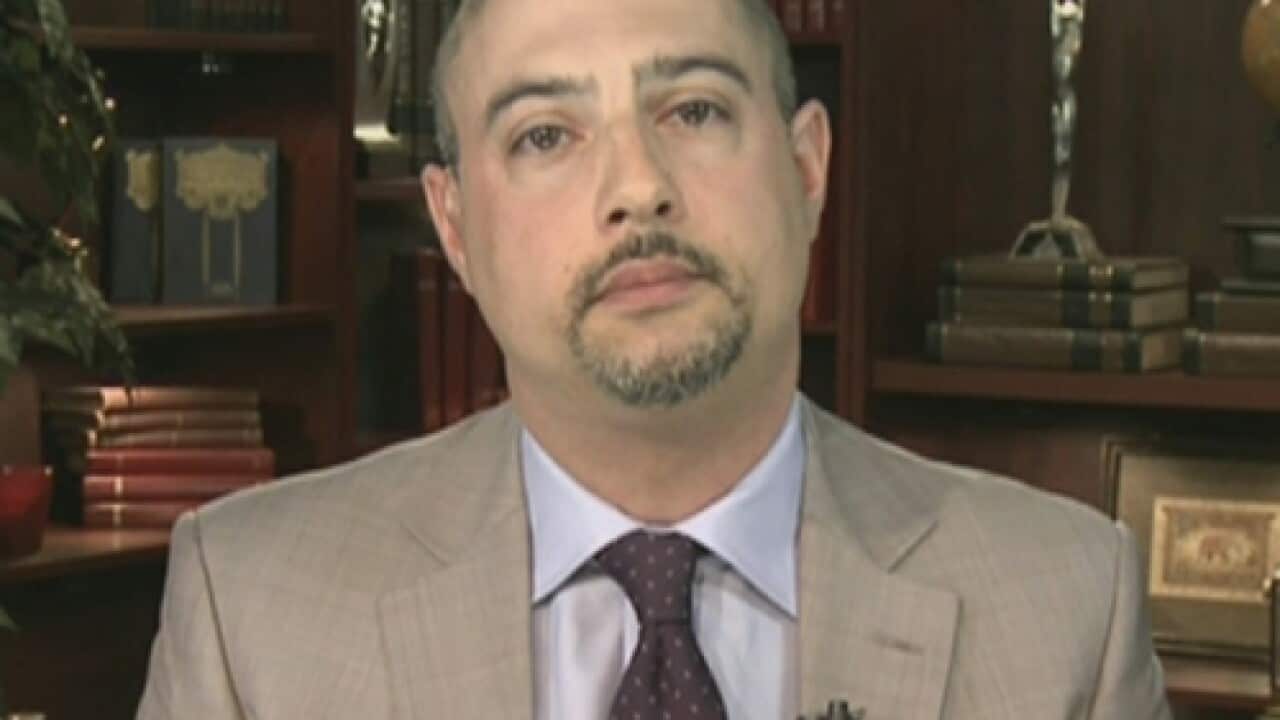
Resuscitating patients hours after they have died is a reality, according to one resuscitation doctor.
Dr Sam Parnia told SBS's Insight that resuscitation techniques are outdated and are wasting lives that could be saved. He is head of intensive care at New York's Stony Brook University Hospital, and specialises in bringing his patients 'back from the dead'.
“We have a very fixed perception of death,” Dr Parnia says. “And therefore, we considered death as a fixed moment in time and that once you reach that point you cannot come back again.
News that makes sense
Your trusted source for staying up-to-date with the world around you. Get free daily news updates and analysis, straight to your inbox.
“But what we now know is that if we do get to somebody in time after they've reached that traditional threshold of death, we can bring them back.”
It's a big claim, and even Dr Parnia admits there are limitations to this medical practice.
If someone has been left dead for a long period of time, the cells in the brain and other organs will inevitably start dying, to the point where the process is irreversible. No matter what we do, he says, we can't bring them back.
The key, he tells Insight, is slowing down the process of cell death.
“We thought we only had six to ten minutes before brain cells become permanently damaged, we now know that we have a lot longer period of time.
“The key discovery in the last ten years is that… we have hours of time after a person has turned into a corpse whereby, with the right medical care, we can not only halt the process of cell death, but also restart the heart and bring back a whole person fully intact without brain damage.
“And that really is the revolution of resuscitation science.”
THE NEW RESUSCITATION METHOD
This groundbreaking new resuscitation method is used to revive patients who have 'died' from cardiac arrests. It simply combines three existing medical practices in a new way.
During this practice, CPR is administered by a paramedic either manually or automatically with an Auto Pulse machine, which is a mechanical CPR device.
Paramedics cool the brain using cold saline in the ambulance, and then Emergency physicians administer more when the patient arrives at the hospital. Cooling slows down the process of cell death and reduces the amount of oxygen the brain needs.
Once the patient arrives at the hospital, they are hooked up to an Extracorporeal Membrane Oxygenation (ECMO) machine. The machine acts as a substitute for the heart and lungs, since the patient can no longer pump blood for themselves.
WATCH: How an ECMO machine saved Colin Fiedler after a cardiac arrest
THE RISK OF BRAIN DAMAGE
There's also the question of who should be resuscitated, and whether the chance of survival far outweighs the risks of sustaining brain damage.
Dr Parnia tells Insight that he and his team are doing their best to minimise the risks.
“Most of our patients do not have brain damage. This is still a work in progress. No one is trying to bring people back unethically and lead to brain damage."
He says he's also in the process of publishing peer reviewed journal articles that document some of his team's innovations.
“For instance, we have developed a novel system to measure the quality of oxygen that is being delivered to the brain in real time during CPR and also in the post-resuscitation period to ensure that there is minimal brain damage occurring.
“And this, you'll probably find, will become more and more advanced in the coming years.”
CPR, DEFIBRILLATOR MORE SUCCESSFUL?
But Paul Middleton, the NSW Chairman of the Australian Resuscitation Council, believes that administering immediate, high quality CPR is far more successful at resuscitation.
“The discussion shouldn't get derailed by talking about the incredible technology and all the things can be done at the far end of the process. Because what's most important is actually what's done at the very beginning of the process.
“What's been shown to work incontrovertibly is immediate high quality CPR which we've seen to be a success – done at the very moment somebody drops, if possible,” he says.
“The other thing that's incontrovertibly successful is putting a defibrillator on… Those two things have more success than anything else.”
What do you think about Dr Sam Parnia's research into resuscitation science? If you missed tonight's Insight episode, you can watch it here.
Join the discussion by using the #insightsbs hashtag on Twitter or by commenting on Insight's Facebook page.







