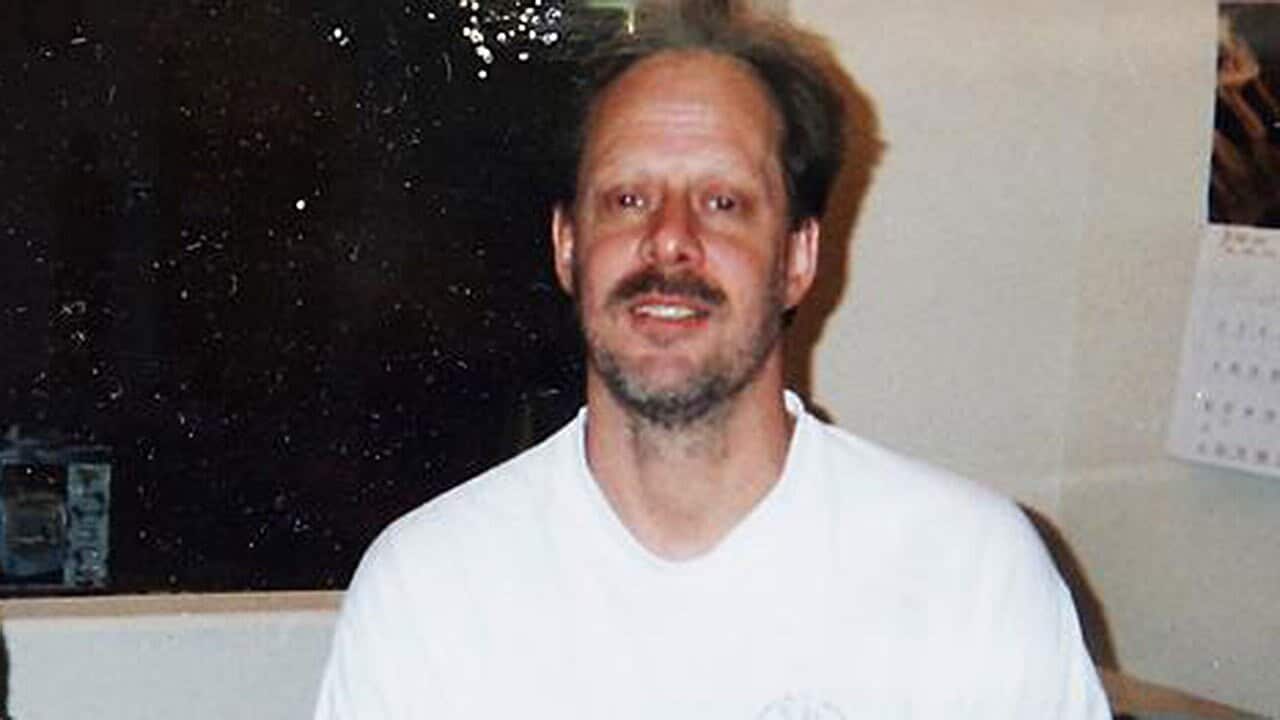
Scientists are preparing to do a microscopic study of the Las Vegas gunman's brain, but whatever they find, if anything, likely won't be what led him to kill 58 people in the worst mass shooting in modern US history, experts said.
Stephen Paddock's brain is being sent to Stanford University for a months-long examination after a visual inspection during an autopsy found no abnormalities, Las Vegas authorities said.
Doctors will perform multiple forensic analyses, including an exam of the 64-year-old's brain tissue to find any possible neurological problems.
The brain will arrive in California soon, and Stanford has been instructed to spare no expense for the work, The New York Times reported. It will be further dissected to determine if Paddock suffered from health problems such as strokes, blood vessel diseases, tumors, some types of epilepsy, multiple sclerosis, degenerative disorders, physical trauma and infections.
The examination will come about a month after Paddock unleashed more than a thousand bullets through the windows of a 32nd floor suite at the Mandalay Bay casino-hotel into a crowd below attending an outdoor country music festival. After killing 58 people and wounding hundreds more, Paddock took his own life with a shot through his mouth, police say.
News that makes sense
Your trusted source for staying up-to-date with the world around you. Get free daily news updates and analysis, straight to your inbox.
Investigators working around the clock remain frustrated by a lack of clues that would point to his motive. Authorities have resorted to putting up billboards in southern Nevada seeking tips and now the intensive brain study that medical experts say likely won't yield definitive answers.
If a disease is found, experts say it would be false science to conclude it caused or perhaps even contributed to the massacre, even if that explanation would ease the minds of investigators and the world at large.
Perpetrators often are suicidal psychopaths who are motivated to commit heinous crimes because they have internalised their isolation and anti-social behavior as an existential threat for themselves, he said.
Douglas Fields, a neuroscientist who studies the rage circuit in brain systems, said horribly violent events, such as mass shootings and terrorism, rarely involve actual brain abnormalities but can be triggered by psychiatric problems.
"When police look for motive, it's kind of misplaced in cases like this because they appear to be crimes of rage. There's no motive for crimes of rage. It's a crime of passion," Fields said.







