The bloodshed came a day after another 31 civilians were killed in Eastern Ghouta and as the United Nations pleaded for a truce in the seven-year-old war to allow for aid deliveries.
Eastern Ghouta and Idlib, a northern province where violence also flared this week, are both so-called de-escalation zones under a deal last year intended to pave the way towards an end to the conflict.
A UN-mandated committee however said the recent escalation in violence "made a mockery" of the deal, which has failed to stem the fighting as the Syrian government continues its nationwide military reconquest.
News that makes sense
Your trusted source for staying up-to-date with the world around you. Get free daily news updates and analysis, straight to your inbox.
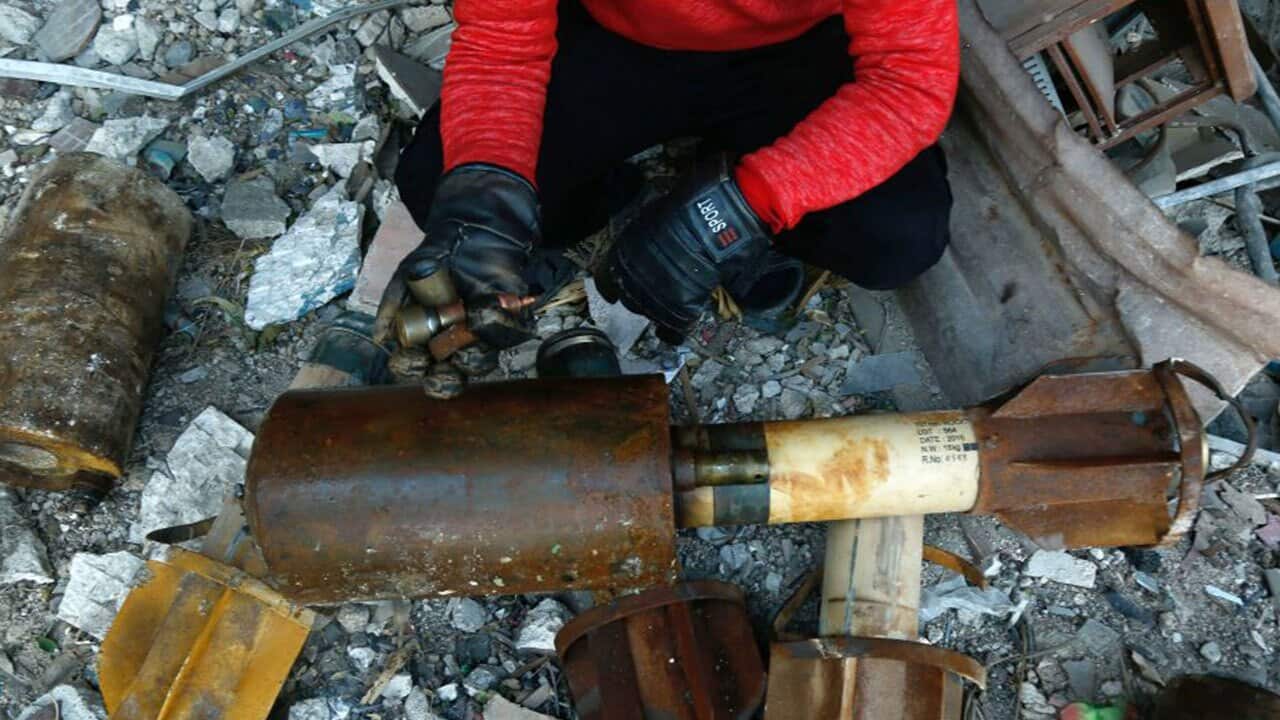
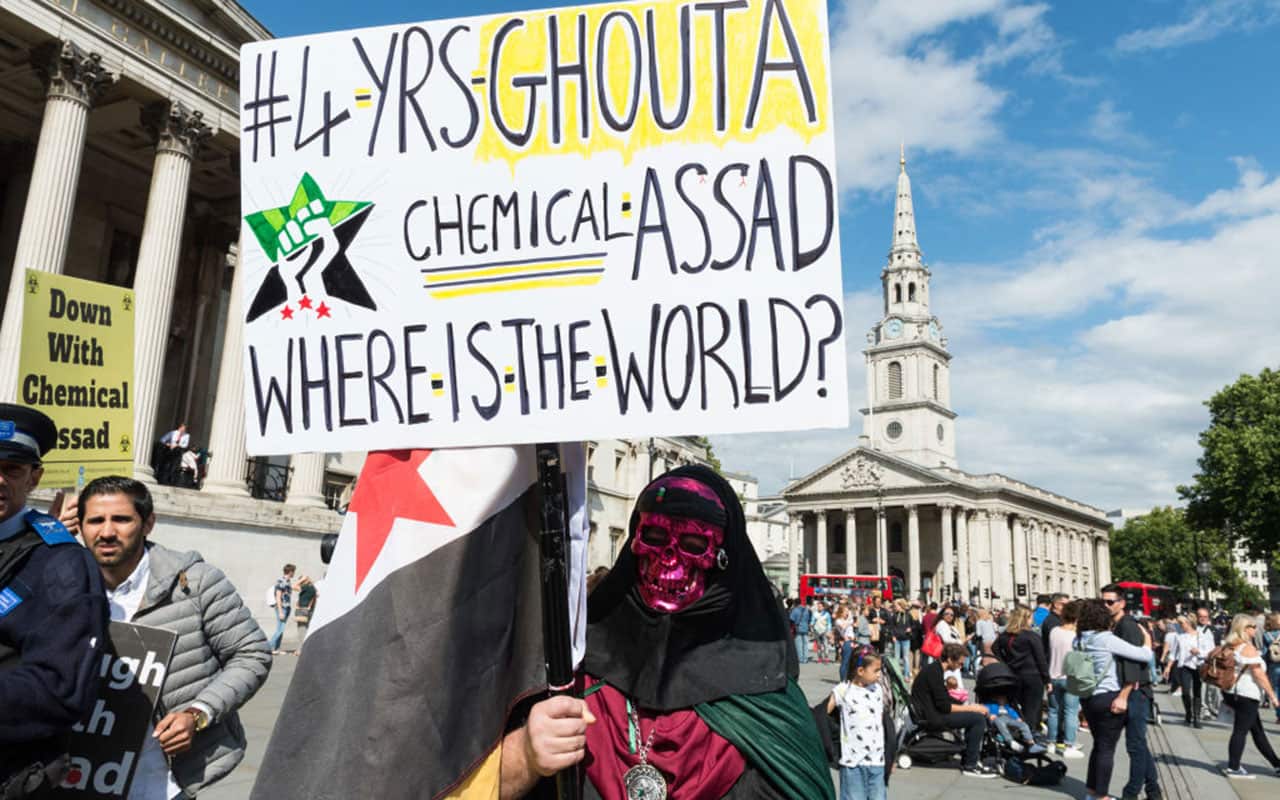
The latest casualties in Ghouta came as Washington threatened military action over the reported use of chemical weapons in the enclave, which regime and allied forces have besieged since 2013.
The death toll there rose from an initial report of 16 to around 70, including 18 children, according to the Syrian Observatory for Human Rights, a Britain-based war monitor. Around 100 people were wounded, it said.
All too familiar scenes of chaos engulfed towns scattered across the semi-rural rebel-held area of Ghouta which lies just east of Damascus.
Rescuers from the White Helmets, an award-winning organisation featured in an Oscar-nominated documentary, could be seen rushing shredded bodies covered in white dust to ambulances hurtling down streets littered with rubble.
Observatory chief Rami Abdel Rahman added that few rebels were among the dead because they rarely left their tunnels and had better protection from air strikes than civilians, estimated to number around 400,000 in Ghouta.
He described Tuesday's bloodshed as the deadliest since efforts to broker a truce in Ghouta failed and the government intensified its operations against the enclave six weeks ago.
In apparent retaliation, rockets were fired on several Damascus neighbourhoods, killing three civilians, Syria's state news agency SANA reported.
Several schools in Damascus announced they were suspending classes for the next few days due to the upsurge in violence.
Increase in violence
Regime attacks on Ghouta involving suspected chlorine-filled munitions have also risen in recent weeks.
The US State Department said on Monday it had recorded six suspected chemical attacks in Syria in the past 30 days.
Washington, which last year launched cruise missiles on a regime airfield in retaliation for a nerve agent attack in Khan Sheikhun that killed scores of people, has threatened more military action.
France last month blacklisted companies and nationals it said had links to Syria's alleged chemical weapons programme.
US ambassador to the UN Nikki Haley clashed with her Russian counterpart at a meeting of the Security Council on Monday after proposing a statement condemning Damascus "in the strongest terms".
Russia, Assad's major backer, retorted that "no perpetrators have been identified" and accused the United States of orchestrating a "propaganda campaign" against the Syrian government.

Plea for aid truce
The UN said it was looking into the reports of chemical attacks and condemned what it described as an escalation in violence in Ghouta and Idlib.
"Over the last 48 hours, the scale and ferocity of attacks has increased dramatically," the UN-mandated Independent International Commission of Inquiry said in a statement.
In Idlib, the last province in the country to remain largely outside government control, daily fighting is also claiming a growing human toll and displacing thousands.
The UN commission said at least three hospitals were hit in recent strikes and shelling.
"These reports are extremely troubling, and make a mockery of the so-called 'de-escalation zones' intended to protect civilians from such bombardment," said Paulo Pinheiro, chair of the commission.
After talks in Russia and Austria last month failed to yield a breakthrough, the UN's humanitarian coordinator and top envoys in Syria issued a statement in Damascus on Tuesday calling for a month-long truce.
The measure would "enable the delivery of humanitarian aid and services, evacuation of the critically sick and wounded, and alleviation of people's suffering, to the extent possible, wherever they are," the UN said.
The UN said existing agreements on the delivery of aid were not being honoured and stressed that "if access was granted, three convoys could be dispatched each week, reaching over 700,000 people in these areas in two months."
While the fighting is abating in some parts of the country, a humanitarian crisis is still in full swing and aid groups predict a further 1.5 million people will be displaced in 2018.
There was no immediate reaction to the UN's appeal from the regime or any of the other belligerents.







