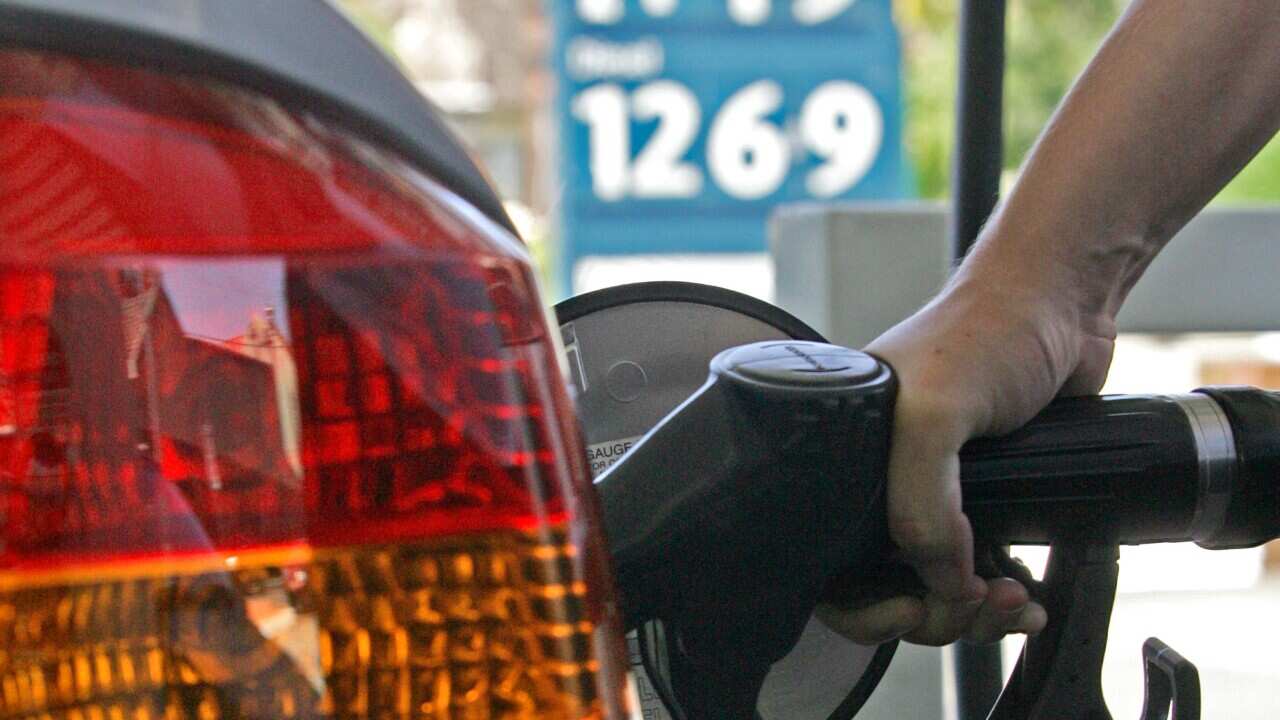
Falling oil prices have pulled down Australian petrol prices, but people in regional and rural areas have not benefited as much as their city-dwelling peers.
The greatest reductions in fuel prices over the past six weeks have been in metropolitan areas, with a slower decline in regional and rural Australia.
Higher demand in metropolitan areas was one of many pressures forcing prices down faster, Australasian Convenience and Petroleum Marketers Association chief executive Nic Moulis said.
“There is a time lag,” Mr Moulis said.
“Because [regional sellers] don’t sell through their fuel as quick.”
Another factor was people in rural areas generally had less access to fuel sales competition, Mr Moulis said.
Regional areas often have storage between long distances, creating another source for time lag.
Greater supply of crude oil worldwide was pushing prices down, Mr Moulis said.
The decline in oil price had affected Australian fuel prices, but the declining Australian dollar had offset the effect, Mr Moulis said.
Fuel prices across Australia have dropped more than 10 per cent since the week ending November 17, according to the Australian Institute of Petroleum’s (AIP) latest figures.
The AIP were contacted for comment but were unavailable.
Australian Automotive Association spokesperson James Goodwin said rural drivers should not be made to pay more than they have to.
"We have concerns they're paying too much," Mr Goodwin said.
While transport and demand in rural areas may be an issue, so might lack of competition, Mr Goodwin said.
"An average price difference of 15 cents per litre is unjustifiable," he said.
On December 3, the Australian Competition and Consumer Commission (ACCC) released its Monitoring of the Australian petroleum industry report.
The price of crude oil, which has fallen globally in recent years, was the biggest single factor contributing to retail fuel prices in Australia’s five largest cities, the ACCC said.
Despite the effect of excise, Australian tax of fuel was among the lowest of OECD countries, the ACCC said.
The report said Australia’s five largest cities were subject to retail fuel price cycles, which are responsible for large differences in fuel prices between some days.
“These price cycles do not generally occur in Canberra, Hobart, and Darwin, or in most regional locations,” The ACCC said.
Share


