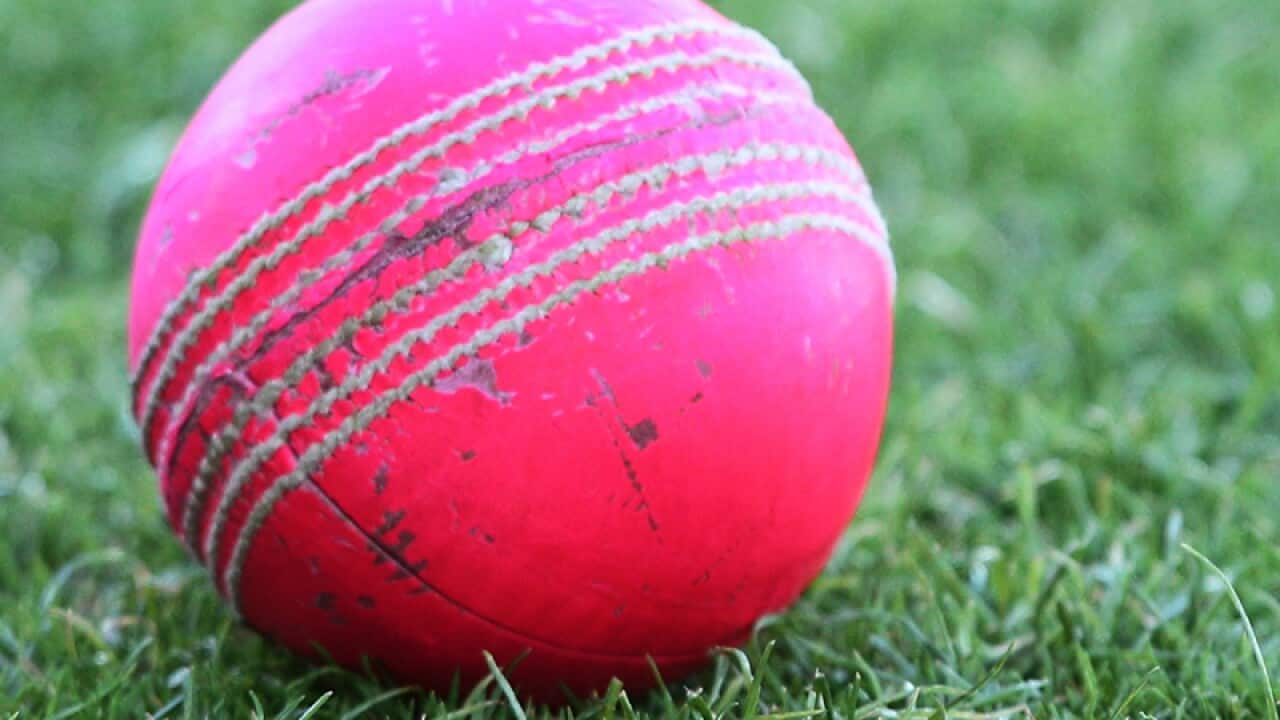
The Nine Network is adamant the inaugural day-night cricket Test will feature DRS as per normal, despite concerns being raised by the firm responsible for ball-tracking technology.
The third Test between Australia and New Zealand, which will be played under lights and with a pink ball at Adelaide Oval, is five weeks away.
Nine have already spent plenty of time and money to prepare for the prime-time event, conducting a range of tests in partnership with Cricket Australia (CA) over the past 18 months.
There is still much to do.
That includes working closely with Animation Research, the New Zealand company that has helped deliver the Decision Review System (DRS) in Australian Tests since its inception.
News that makes sense
Your trusted source for staying up-to-date with the world around you. Get free daily news updates and analysis, straight to your inbox.
Ian Taylor, head of Animation Research, recently questioned whether his organisation had enough time to ensure its technology could reliably track an old pink ball.
Nine's head of sport Steve Crawley appreciated why Taylor was anxious but did not share the feeling.
"I can understand he's concerned but we're going to get there," Crawley told AAP.
"I understand the pressure Ian feels and his concern is genuine.
"We'll work it out.
"We've got plenty of time to continue our testing and we'll get there if it's humanely possible to get there - and I believe it is."
Crawley added that Nine had "tougher things than tracking a pink ball to worry about this year".
"People ring every year before the cricket starts, asking what innovations we have for the summer," he said.
"Tracking a pink ball isn't the newest and biggest thing we'll be doing this year.
"But I believe you shouldn't talk about them until you do it. You never brag about something before you've done it."
A CA spokesperson echoed Crawley's confidence.
Animation Research were not part of Nine's pink-ball trial at the MCG earlier this year, however they conducted DRS tests at Dunedin's Forsyth Barr Stadium in August.
"We still haven't done a single game with a pink ball, let alone a day-night Test," Taylor told Fairfax Media.
"People knew we had been testing down at the stadium in Dunedin. People asked was it working and in all honesty, I had to say it wasn't working.
"We can track it some of the time."
Animation's Virtual Eye program added ball tracking to its cricket repertoire in 2006 and the technology has improved remarkably since.
The ICC introduced DRS in 2009, allowing players to review umpires' lbw verdicts with the help of Virtual Eye.
India remain staunchly opposed to DRS, doubting the accuracy of ball-tracking technology, but other Test-playing nations have largely embraced the concept.







