
The growing use of amphetamine-style stimulants across Southeast Asia has increased the risk that users will contract HIV or other blood-borne viruses, a report has found.
Whilst no direct link has been made between amphetamines and Australia’s increasing levels of HIV, experts say the findings are significant for Australia's border protection policies and the safety of holiday-goers.
The report, from the Australian National Council on Drugs (ANCD) and the Asia-Pacific Drugs and Development Issues Committee, examined amphetamine usage from 11 south east-Asian Nations.
News that makes sense
Your trusted source for staying up-to-date with the world around you. Get free daily news updates and analysis, straight to your inbox.
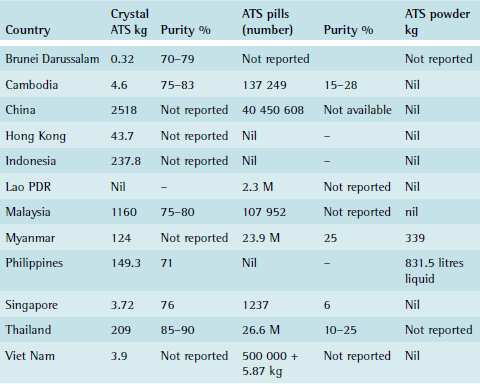
Seizures of amphetamine-type stimulant drugs in selected countries in Southeast Asia
(Data as at 2009: Global SMART Program, 2010)
The council says the number of ecstasy pills seized in the region has tripled last year from 1.6 million pills to 5.5 million pills.
It also showed that, whilst amphetamines are usually taken orally, there are small amounts of people injecting the drug as well as a strong link to risky behaviour, such as unprotected sex.
Both of these factors are adding to the transmission of HIV in the region- with those at greatest risk including young people, sex workers and men who have sex with men.
Professor Robert Ali from the ANCD told SBS the spike in the drug trade is spilling over to Australian shores.
“The drugs are being manufactured in the main offshore and being imported into Australia,” he says. “So seeing these risks evolve in the region is a cause for concern.”
“We’re also aware that many Australians now travel overseas and in fact recently during the schoolies week we saw many young people being offered stimulant type drugs as part of the Bali experience.”
Listen to the full interview below:
Whilst Professor Ali says research has not confirmed a link between amphetamines and HIV rates in Australia, HIV is on the rise.
Australia's HIV infection rate has risen by 10 per cent in 12 months which is the largest increase in 20 years.
Professor Ali says Australia also has a responsibility to aid South-East Asian nations in implementing harm-reduction measures.
“Australia embraced harm reduction very early in the HIV epidemic- that’s the reason we avoided an epidemic in this country,” he says. “But the same hasn’t been the case in the region and they don’t have clear messages about the risks and the harms associated with these drugs.”
Some harm reductions measures recommended by the council is the implementation of drop-in centres and needle and syringe programs to better meet the needs of amphetamine users.







