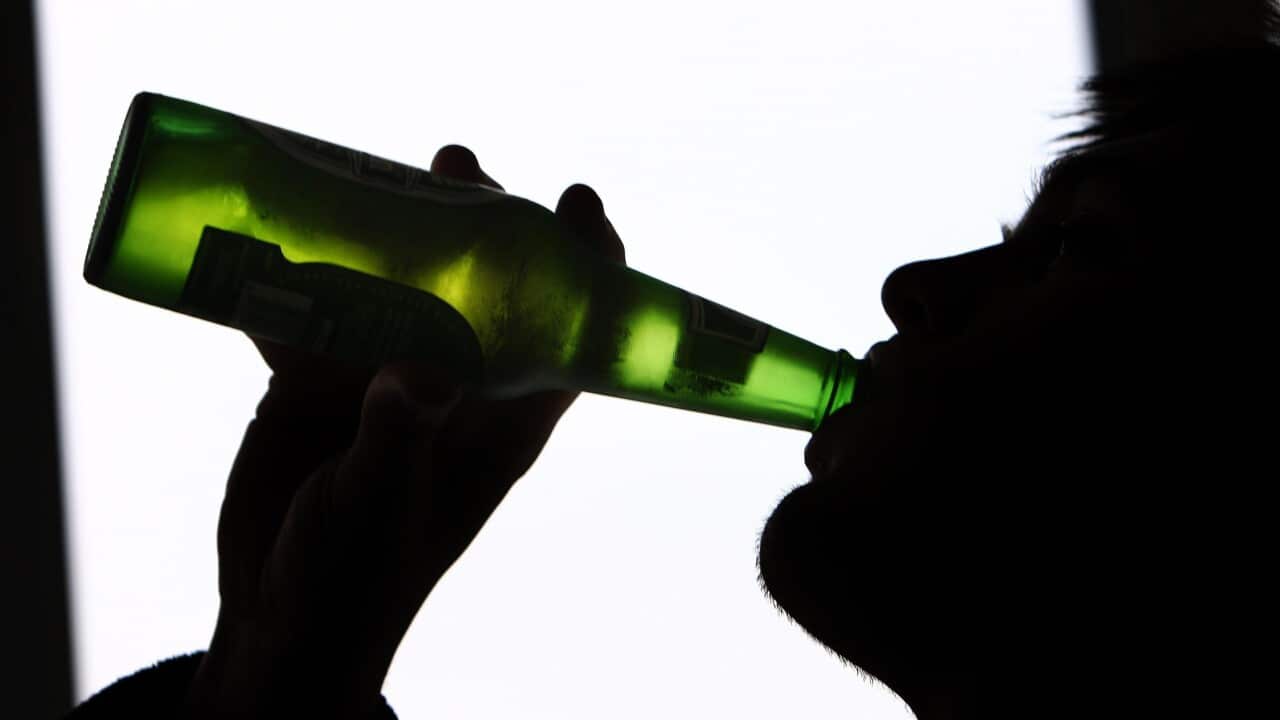
Urging Britons to take part in Dry January risks sending an "all or nothing" message and could do more harm than good, an expert has argued.
The Dry January campaign is run by Alcohol Concern and figures suggest that last year more than two million people cut down their drinking for the month.
The campaign, whose aims are similar to Australia's Dry July challenge, says there are "significant health benefits" from taking part, from "weight loss and better sleep ... to more money in your pocket".
But Ian Hamilton, a health sciences lecturer at York University, says Dry January's popularity "does not mean it is effective".
News that makes sense
Your trusted source for staying up-to-date with the world around you. Get free daily news updates and analysis, straight to your inbox.
Writing in the British Medical Journal, he said: "Alcohol Concern's ambition is to alter people's relationship with alcohol by encouraging us to reduce the amount we drink, not just for a month but for life.
"Unfortunately, this type of campaign has had no rigorous evaluation."
Mr Hamilton said it was not clear who Dry January was targeting and those taking part might drink the least amounts anyway.
"Because participants select themselves, it could attract the people at lowest risk from health problems related to alcohol," he said.
"Because they consume less alcohol, they are also likely to find a month of abstinence relatively easy."
Mr Hamilton also said "Dry January risks sending out a binary, all or nothing, message about alcohol - that is, either participate by abstaining or carry on as you are".
"People may view their 31 days of abstinence as permission to return to hazardous levels of consumption until next New Year's Day ... 'I've had a month off, so now I can drink as much as I did before', ignoring the need for regular breaks from alcohol."
In an opposing view, Professor Sir Ian Gilmore, an honorary consultant physician at the Royal Liverpool University Hospital, who is on the board of trustees at Alcohol Concern, asked what was wrong with Dry January.
"Our per capita consumption has doubled over 40 years, we have 1.5 million heavily dependent drinkers in this country, and alcohol has become a central part of most social occasions," he said.
"So what could possibly be wrong with encouraging and supporting the estimated two million or so adults who decide on Dry January to take a month off the booze and have time to reflect on their drinking?"
He said an evaluation of the 2015 campaign by Public Health England showed 67 per cent of participants said they had had a sustained drop in their drinking six months on.
About eight per cent also "stayed dry".
The debate comes a week after the UK's chief medical officers issued new guidance saying no level of regular drinking is without risk to health.







