In Brief
- Since 1893, the Netherlands has made it very difficult for its citizens to hold two passports.
- Thousands of Dutch nationals have automatically lost their citizenship, sometimes without them knowing.
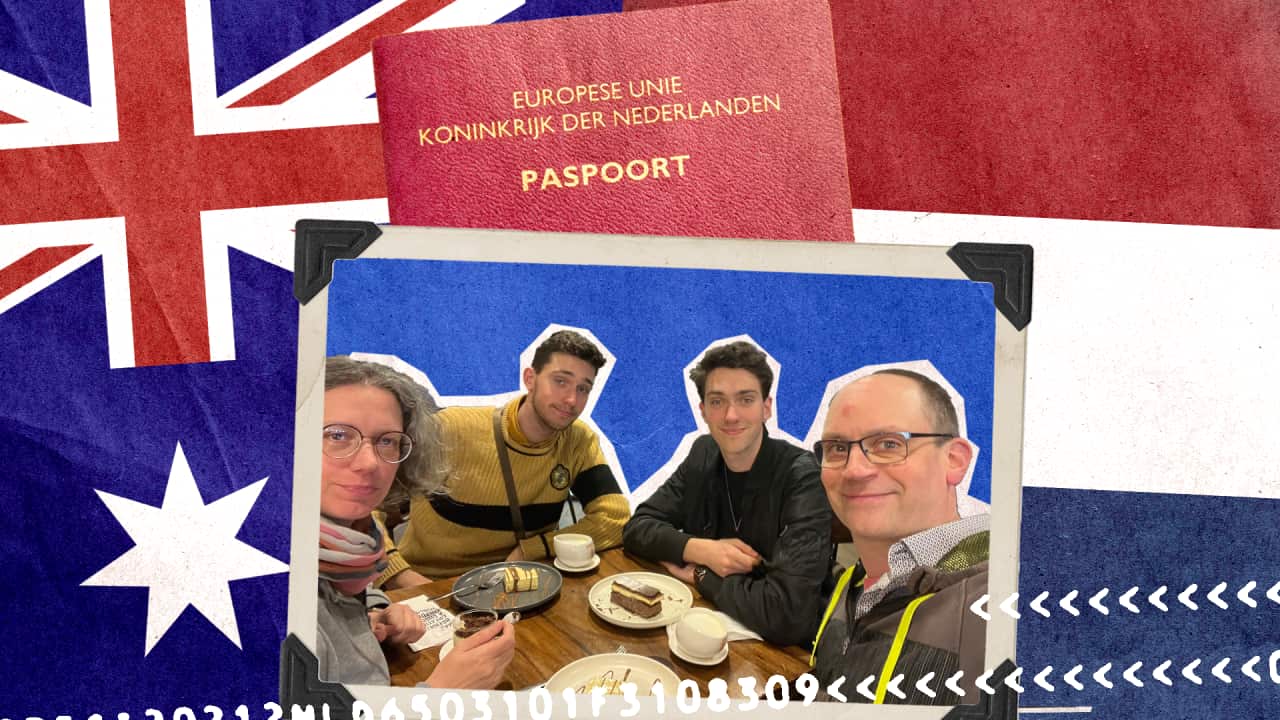
Branko Dijkstra says he's "never looked back" after moving to Australia from the Netherlands, but he says it was "emotional" being forced to give up his Dutch identity.
He emigrated to Australia with his Dutch wife and two sons in 2005, when the boys were around six months old.
In 2011, he made the difficult choice to "sacrifice" his own Dutch citizenship for his children, so that they had the option of a guaranteed future in Australia.
"If you are under the age of 18 when you take on another nationality, you can keep your Dutch citizenship, so they became Australian when I became Australian, and were able to keep their Dutch passports," he said.
"I know what I'm doing in my life, while they are young and they have no idea where they're gonna end up, so me becoming Australian was a way of opening up the whole world for them, and for giving them a home here."
News that makes sense
Your trusted source for staying up-to-date with the world around you. Get free daily news updates and analysis, straight to your inbox.
But that didn't mean it wasn't an emotional choice to renounce his Dutch citizenship.
"Doing the paperwork was all very logical, but at the citizenship ceremony I actually felt, that was actually a thing, a marker in life — there was a before and an after and it would make a difference," Dijkstra said.
"It was emotional."
Dijkstra's story is a common one, of Dutch citizens emigrating but having to sacrifice their connection to their home country in order to stay in their new home.
After more than 130 years, the Netherlands is set to debate its strict approach to dual nationality in parliament next month, giving thousands of former Dutch citizens hope they might one day be able to call their country home.
Unlike other European nations, the Dutch government has held onto colonial-era laws that mean its citizens can automatically lose their passports if they take up a second one.
"It happens by the thousands," Eelco Keij, president of the Foundation for Dutch Nationals Abroad, said.
Dutch one day, but not the next, without any notification and little chance of appeal.
"People can find out years later they are no longer citizens," Keij said.
Last year, a Dutch Nobel Prize-winning physicist learned that he was no longer a Dutch citizen after he had taken up British citizenship to receive a knighthood 13 years prior.
The Netherlands has also recently been gripped by a so-called 'passportgate' scandal, after it was revealed a Dutch footballer with Indonesian ancestry had taken up an Indonesian passport to secure himself a spot on the former Dutch colony's national squad in 2025.
Unknown to him and his team, this meant that he had automatically forfeited his Dutch citizenship and had therefore become ineligible to play Dutch domestic football without a work permit.
Some 25 players — who accepted offers to play for Indonesia, Surname and Cape Verde — were affected by the revelation.
A tribunal ruled out 133 games having to be replayed because ineligible players had taken part, in a case brought by opponents hoping to catch other teams out.
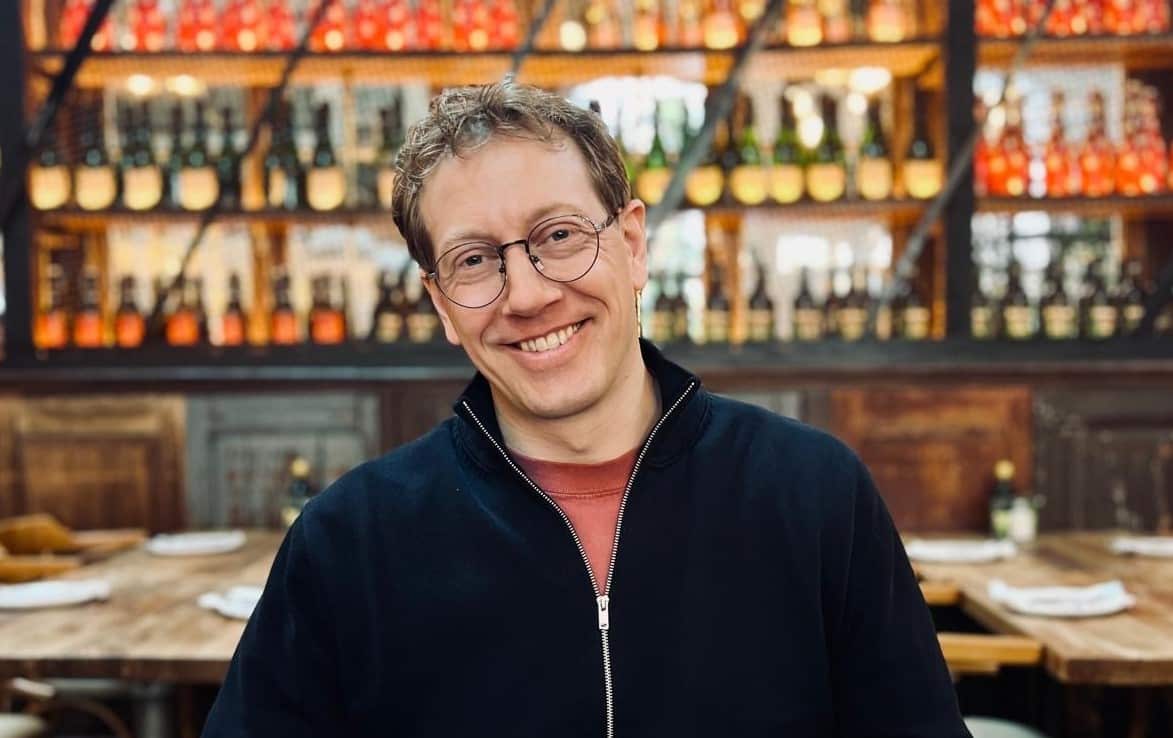
"The players will probably be able to get their citizenship back — they will have to get work permits and then live in the country for a year," Keij said.
"It's annoying but solvable. For many people this happens to though, returning to the Netherlands is much less easy and people can lose their Dutch citizenship for life."
He said there were several exceptions — marrying someone from another country is one, and being under the age of 18 is another — but for many people, taking on a new passport means they automatically lose their Dutch passport.
Getting a passport back is also very difficult, with Dutch data showing only 4 per cent of applicants are successful.
Politics at play
According to the Australian Bureau of Statistics, more than 49,000 Australian citizens were born in the Netherlands.
Many of them have had to choose between the country they were born in and the country they now live in, unlike other immigrants who are able to keep their original passport when they become Australian.
Keij — whose organisation has been advocating for changes to the laws for several years — said Dijkstra's case is typical.
"They don't want to come back but for them it's an identity issue and we think thing they owe something to people who involuntarily lost their Dutch citizenship."
He said in the 19th century the Dutch approach was common across European colonisers, who prioritised loyalty to nation states above all else.
But while other countries neighbouring the Netherlands — including Germany, Denmark and Belgium — have updated their laws, he said there had been "strong resistance" in the Netherlands.
Of the 195 countries recognised by the UN, 120 allow for multiple citizenships. In Europe, only the Netherlands and Austria are holdouts.
He said the country's parties were divided, and like most European countries, the Netherlands had seen surge in far-right parties, making any changes to immigration politically difficult, but he was nonetheless hopeful.
"We are not there yet, but for the first time it will be discussed in parliament next month, which is a huge step forward," Keij said.
"The parties are still divided but it's a big step forward."
His hope is that any changes to Dutch citizenship laws would make it easier for people who have lost their passports to get them back.
In 2025, Canada and South Africa both restored citizenship status to those who had lost it.
Feeling left out
For Adriana van Bockel, giving up her Dutch citizenship wasn't a choice.
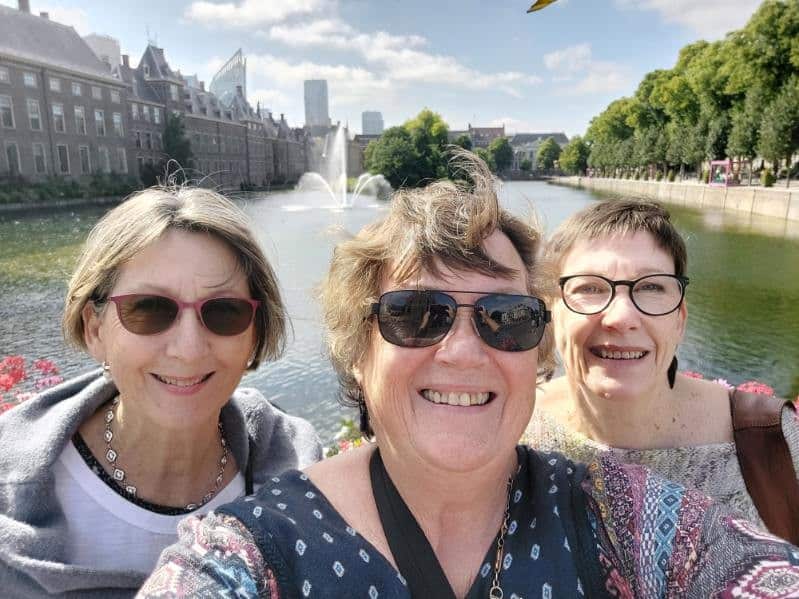
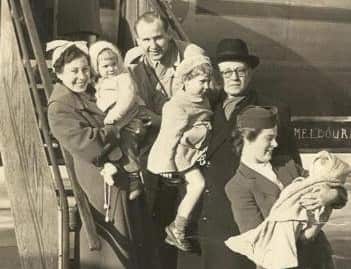
She was two when her family emigrated to Australia and 11 when she became an Australian citizen, losing her Dutch passport under legislation at the time.
"We didn't think much about it then, but losing my Dutch citizenship has been quite sad," she said.
She ended up marrying a fellow Dutch immigrant, and they have had three children.
Everyone in her immediate family — including her grandchildren — is Dutch, except for her.
"I'm culturally Dutch, I can be understood in Dutch, we eat Dutch foods — but I feel a bit left out," she said.
"It would really mean a lot to me if I could be a Dutch citizen again."
This story was produced in collaboration with SBS Dutch.
For the latest from SBS News, download our app and subscribe to our newsletter.







